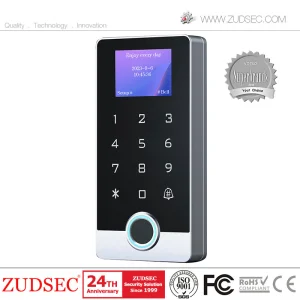
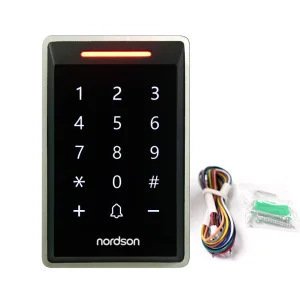
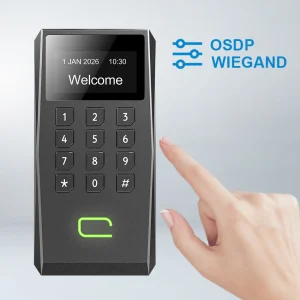
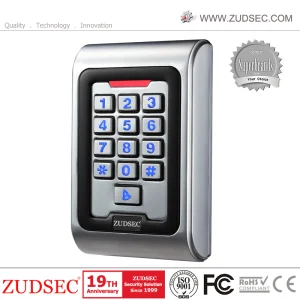
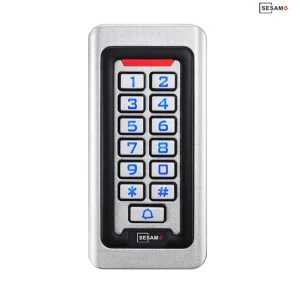
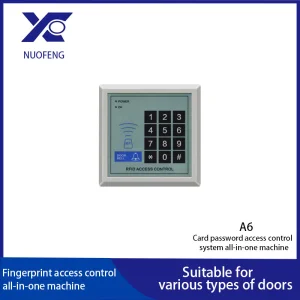
Japan has always been at the forefront of technological integration, and the security sector is no exception. As a leading RFID access control supplier in Japan, we recognize the unique demands of the Japanese market. From the bustling financial districts of Tokyo to the precision manufacturing hubs in Nagoya, the need for seamless, highly secure authentication is paramount. The Japanese commercial landscape is currently undergoing a "Work-Style Reform," where digital transformation (DX) is driving the adoption of cloud-based RFID systems to monitor employee attendance and ensure facility security simultaneously.
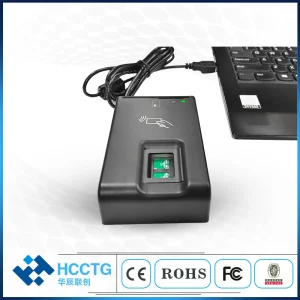
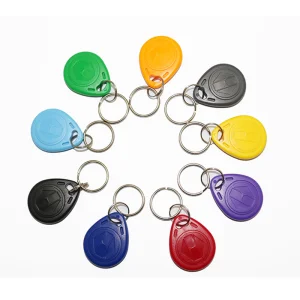
In Japan, the RFID landscape is distinct due to the widespread use of FeliCa technology (standardized by Sony). While global standards like 125kHz and 13.56MHz (Mifare) are essential, localized suppliers must offer multi-frequency readers that can bridge the gap between traditional corporate IC cards and modern biometric or smartphone-based credentials. Our RFID solutions are designed with this interoperability in mind, ensuring that Japanese enterprises can upgrade their security infrastructure without replacing their entire card inventory.
Japan's "Society 5.0" initiative promotes the integration of IoT across urban environments. Our RFID controllers integrate with smart building management systems (BMS) in major Japanese cities.
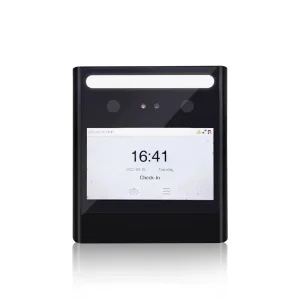
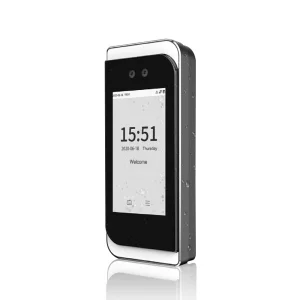
With an aging population and a focus on hygiene, Japanese industries are shifting toward contactless facial recognition and palm vein scanning combined with RFID for multi-factor authentication.
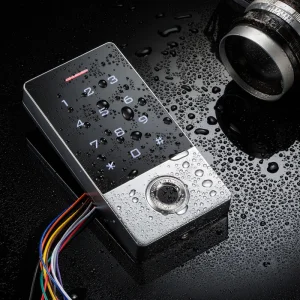
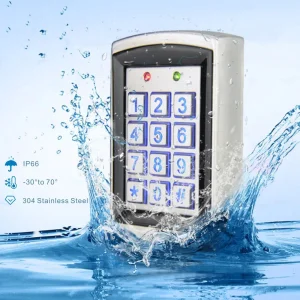
From Hokkaido's cold winters to Okinawa's humid summers, our IP68-rated waterproof and dustproof RFID hardware is built to withstand Japan's diverse environmental conditions.
As a premier RFID access control supplier, we stay ahead of the curve by monitoring Japan-specific trends. Currently, the "Contactless Movement" accelerated by global health concerns has made touchless entry the new standard in Japanese office buildings. Facial recognition, once a luxury, is now a frequent requirement for high-security data centers in districts like Otemachi.
Another significant trend is the rise of Mobile Credentials. Japanese workers are increasingly using their smartphones (integrated with NFC or Bluetooth) as digital keys. This shift reduces the cost of physical card management and aligns with Japan's tech-savvy corporate culture. Furthermore, the integration of AI allows for "Behavioral Biometrics," where the system learns the patterns of employees, flagging unusual entry times or unauthorized access attempts in real-time.
Zhejiang Midwest Charger Co., Ltd. is a leading high-tech enterprise based in China, specializing in the research, development, production, and sales of electric vehicle (EV) charging equipment. Our diverse product portfolio includes home AC charging stations, portable AC chargers, and high-performance DC fast charging stations suitable for residential, commercial, and public applications.
With a strong commitment to innovation and excellence, we aim to provide safe, reliable, and efficient EV charging solutions to meet the evolving needs of global customers.
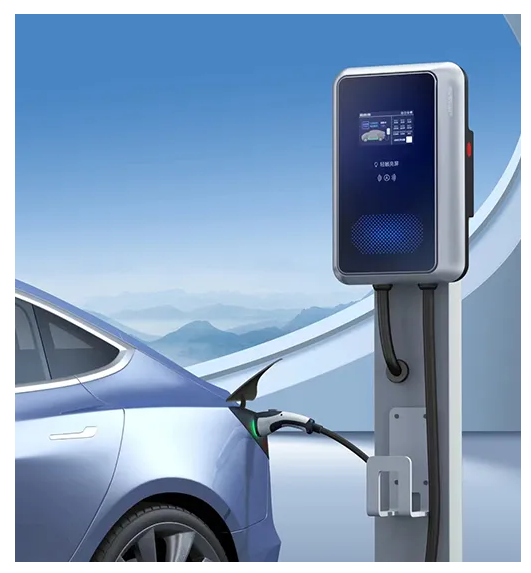
Our corporate vision is to make EV charging safer, smarter, and more accessible. We strive to be a first-class enterprise and build an internationally recognized brand. By continuously advancing technology and adhering to strict quality standards, we aim to lead the EV charging industry toward a more sustainable and electrified future.
Through our dedicated efforts, Zhejiang Midwest Charger Co., Ltd. has successfully exported products to over 20 countries, including the United States, the United Kingdom, Germany, France, and more. Our products comply with CE, CQC, and other international and domestic quality certifications, and we hold multiple invention patents for our proprietary technologies.
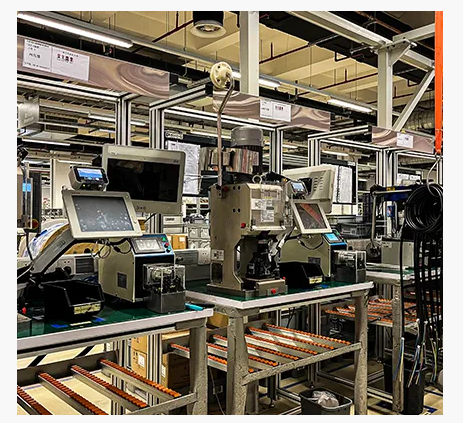
Our company operates an 8,000-square-meter modern factory with around 200 skilled employees. With over 12 years of manufacturing experience, we support both ODM and OEM services, enabling customized solutions for diverse market needs. Our R&&D team focuses on innovative design, energy efficiency, and intelligent charging management to ensure each product meets the highest standards of performance and safety.
Quality and safety are the cornerstones of our product philosophy. Each product undergoes rigorous testing and verification before entering the market. We carefully select suppliers for every component and perform regular inspections on all marketed products. Our commitment extends to comprehensive after-sales service, where our professional team follows up on all customer concerns until fully resolved.
In the heart of Tokyo's financial center, our RFID systems are used to manage multi-tenant access. Integration with Japanese IC cards like Suica allows employees to use their commute cards for office entry, streamlining the user experience.
Security is vital in R&D facilities. Our biometric RFID controllers ensure that only authorized personnel can enter sensitive design areas, with full audit logs for compliance with Japanese industrial security standards.
The rise of e-commerce in Japan has led to massive automated warehouses. Our long-range UHF RFID readers facilitate both personnel and vehicle access control, ensuring efficient movement of goods and staff.
With Japan's aging population, specialized care facilities utilize our RFID systems to manage "wandering" risks for dementia patients while ensuring medical staff have rapid, hands-free access to secure medicine cabinets.
When searching for a reliable RFID access control supplier in Japan, businesses must consider more than just hardware. The integration of software, the speed of local support, and compliance with Japanese privacy laws (APPI - Act on the Protection of Personal Information) are critical factors. Japanese organizations prioritize long-term reliability and stability over purely cost-based decisions. Our systems are engineered to provide a Mean Time Between Failures (MTBF) that meets the rigorous standards of Japanese industrial applications.
Furthermore, the shift towards "Building Automation" means that access control is no longer a siloed system. It must communicate with elevator controls, HVAC systems, and emergency fire alarms. Our OSDP (Open Supervised Device Protocol) compliant readers provide the necessary security and flexibility for these complex integrations, making us a preferred supplier for modern Japanese architectural projects.
Japan’s unique landscape of "Keiretsu" (corporate groups) also means that many suppliers need to offer scalable solutions that can be managed from a central headquarters in Tokyo while serving branch offices in regions like Tohoku or Kyushu. Our cloud-based Tuya-integrated systems offer exactly this—global management with local reliability.
In the coming years, we expect to see even greater convergence between RFID and artificial intelligence in Japan. Predictive maintenance for door hardware, AI-powered tailgating detection, and thermal imaging integration for health screening are becoming standard requests from our Japanese clients. By choosing a forward-thinking supplier, Japanese businesses can ensure their security infrastructure remains relevant for the next decade of technological advancement.
 Midwest Charger