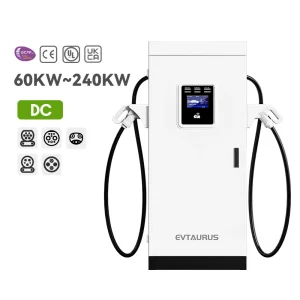
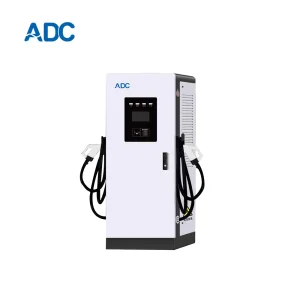
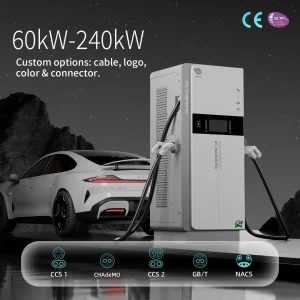
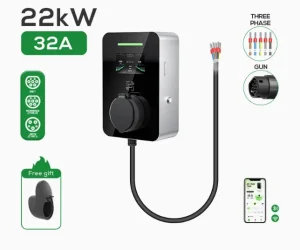
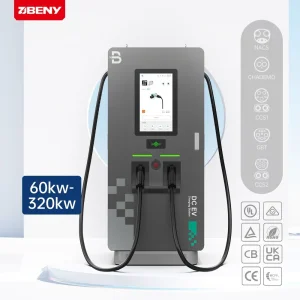
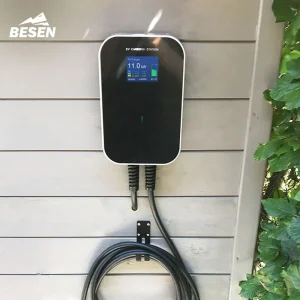
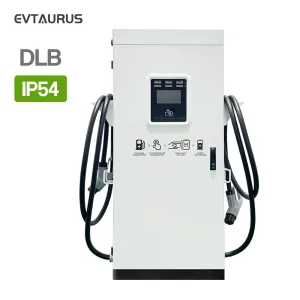
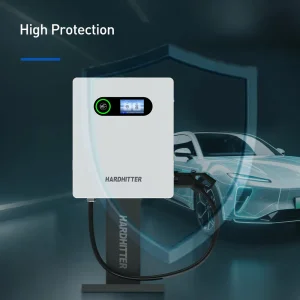
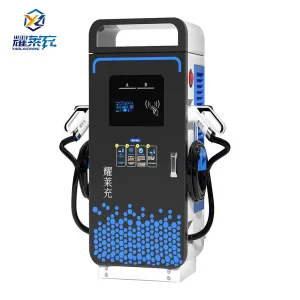
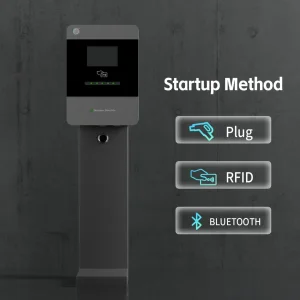
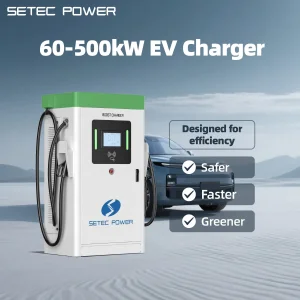
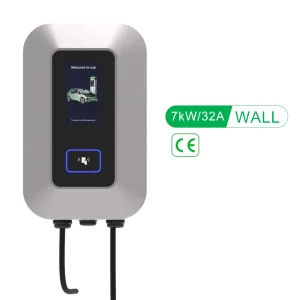
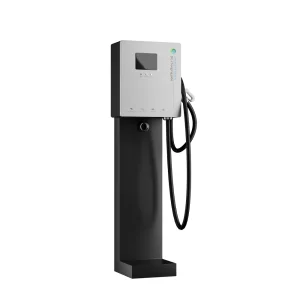
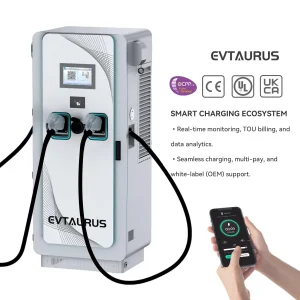
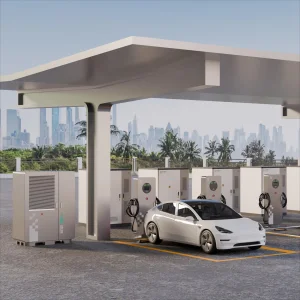
Robust industrial and public charging systems engineered to operate under high ambient temperatures and dusty grid conditions.
The Democratic Republic of the Congo (DR Congo) is currently standing at a pivotal crossroads of global energy and transit shifts. As the world's primary producer of cobalt and the largest copper producer in Africa, the nation holds the raw materials key to the global electric vehicle revolution. Paradoxically, domestic transportation networks inside DR Congo are undergoing their own historic leap toward zero-emission logistics.
In industrial powerhouses such as Lubumbashi, Kolwezi, and Likasi, mining companies are replacing heavy-duty diesel trucking fleets with electric transport haulers to drastically lower operating expenditures, reduce local air pollution, and hit corporate ESG parameters. Concurrently, in urban centers like Kinshasa, the municipal and private sectors are looking at electric public buses to cope with rising fossil fuel imports.
Despite massive run-of-river hydro projects like the Inga Dams, local grid transmission in many rural regions is volatile. This makes standard "plug-and-play" vehicle chargers unviable. To solve this, global procurement managers are turning to high-capacity commercial chargers integrated with solar PV, energy storage systems (BESS), and dynamic microgrid management modules.
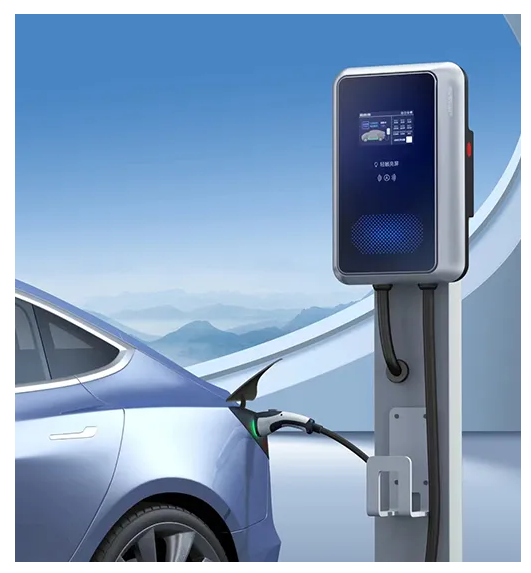
How our engineering team tailors DC and AC chargers to cope with high dust levels, extreme seasonal rain, and ambient humidity.
Our charging stations are designed with double-layered enclosures, preventing fine mineral dust and high-velocity tropical rain from penetrating internal power modules, protecting sensitive semiconductors.
Equipped with smart climate control systems, our DC quick-charging modules throttle cooling rates dynamically to keep core temperatures optimal, preventing premature wear and derating even at 50°C.
Supports interface protocol integration with solar solar/diesel generator/battery systems. Dynamic load balancing manages power distribution, preventing outages in municipal grids.
Optimized for high turnover logistics yards and mineral export terminals.
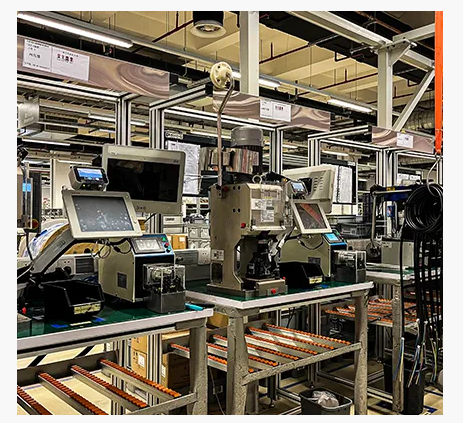
As an industry-leading high-tech manufacturer rooted in China's advanced manufacturing ecosystem, Zhejiang Midwest Charger Co., Ltd. specializes in the end-to-end design, manufacturing, and global exporting of heavy-duty AC and DC EV charging infrastructure.
Operating a state-of-the-art 8,000-square-meter modern production facility manned by over 200 skilled engineers and quality inspectors, we possess 12+ years of manufacturing experience. We support rigorous OEM and ODM requirements for industrial EPC contractors, local utility operators, and mineral transit fleet logistics networks.
All exports are compliant with international standards, holding CE, CQC, IEC, and RoHS certifications. We secure rapid export channels via specialized maritime shipping pipelines to the Port of Matadi or land transit through East African trade corridors (Mombasa/Dar es Salaam) directly into Kolwezi and Lubumbashi.
Request Technical QuotationAdapting future-proof commercial EV charging ecosystems for the Central African continent.
Bypassing grid limits by integrating chargers with off-grid PV panels and energy storage systems (BESS). Surplus solar energy generated during the day charges storage batteries to deliver stable DC juice at night.
Introducing liquid-cooled charging systems with outputs up to 600kW. Developed specifically to recharge heavy electric dump trucks and heavy-duty logistics fleets in under 30 minutes.
Implementing Vehicle-to-Grid (V2G) interfaces to feed stored battery energy back to industrial mines during high peak loads, turning EV fleets into decentralized energy assets.
Key insights regarding installation, technical compatibility, and logistics for DR Congo.
The preferred standard is CCS2 (European standard) for general commercial vehicles and passenger cars, while GBT (Chinese standard) is increasingly common for heavy mining fleets and municipal electric buses imported from China. Our charging stations support dual-standard configurations (e.g., CCS2 + GBT) on a single physical unit.
Our industrial DC chargers feature built-in overvoltage protection (OVP), undervoltage protection (UVP), overcurrent protection, and surge protection devices (SPD). They are designed to tolerate line-voltage variations of ±20% without going offline, essential for areas supplied by SNEL grids.
Yes. Using standard OCPP 1.6J or OCPP 2.0.1 protocols and integrated Modbus TCP interfaces, our chargers communicate directly with microgrid controller software, adjusting charging speed dynamically depending on solar output and generator reserves.
Production takes 15–25 working days depending on order size. For the Katanga region, we typically ship to the Port of Dar es Salaam in Tanzania, followed by road haulage via Zambia directly to the border. The total transit time generally ranges between 45 and 60 days.
Yes. While we provide remote engineering supervision and comprehensive wiring maps for installation, we also offer certified onsite commissioning for larger commercial projects, alongside carrying critical spares to guarantee minimum downtime.
Preserving all authentic manufacturing designs and technical specifications for direct order placement.
Get in touch with our expert sales engineers for customized pricing, wiring layouts, and microgrid engineering consultation.
 Midwest Charger