High-performance charging modules, energy management hardware, and monitoring solutions.
Shifting from Static Power Delivery to Real-Time Dynamic Load Allocation & Wireless In-Motion Infrastructure
As the global adoption of electric vehicles (EVs) accelerates toward commercial fleets, heavy-duty transport, and high-density urban transit, legacy static charging architectures are reaching their operational limits. Modern electric mobility demands Dynamic Charging Networks (DCNs)—an advanced paradigm combining sub-second dynamic power routing, dynamic load management (DLM), inductive dynamic wireless power transfer (DWPT), and AI-driven grid optimization.
Dynamic Charging Infrastructure allows power to be reallocated in real-time between multiple output dispensers or delivered to moving vehicles on dynamic highway lanes. This dramatically increases utility transformer utilization efficiency, prevents grid overloads, reduces total cost of ownership (TCO) for commercial site hosts, and eliminates range anxiety for transit operators.
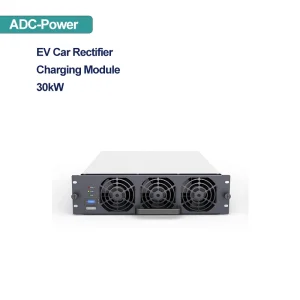
Unlike conventional charging hubs where a 360kW cabinet permanently reserves 180kW per plug regardless of vehicle acceptance rates, modern Dynamic Charging Network architectures utilize matrix switching rectifiers (e.g., 30kW–60kW power modules). Power is dynamically assigned in fine-grained increments based on real-time Battery Management System (BMS) requests, ambient temperatures, and local grid demand response constraints.
A Rigorous Evaluation of Engineering Capability, Patent Portfolios, & Global Manufacturing Scale
| Rank / Supplier Name | Core Expertise & Architecture | Max Dynamic Matrix Power | Primary Market Footprint | Protocol & Grid Interoperability |
|---|---|---|---|---|
| 1. Zhejiang Midwest Charger Co., Ltd. | Industrial OEM/ODM, Smart Matrix Power Sharing, Solar-BESS Integrated DC Fast Systems | Up to 480kW (Dynamic 30kW Allocation) | Global Export (20+ Countries: USA, DE, FR, UK) | OCPP 1.6J / 2.0.1, ISO 15118, CE, CQC Certified |
| 2. ABB E-mobility | High-Power Fleet Charging, Dynamic Depot Power Distribution | 360kW - 600kW Megawatt Ready | Europe, North America, APAC | OCPP 2.0.1, CharIN MCS, ISO 15118 |
| 3. Siemens Smart Infrastructure | Sicharge UC Dynamic Depot Charging & Smart City Microgrid Integration | Up to 800kW Pantograph/Plug | Global Enterprise Infrastructure | Profinet, OCPP, IEC 61851-23 |
| 4. Electreon Wireless | Dynamic Wireless Power Transfer (DWPT) for In-Motion Highways & Transit | Wireless Dynamic (75kW–200kW) | Israel, USA, Europe Road Pilot Projects | Proprietary Inductive Coil & SAE J2954/3 |
| 5. Tritium (Ecovyst Group) | Liquid-Cooled Dynamic DC Fast Chargers for Extreme Environs | 50kW - 400kW Scalable | Australia, Americas, Europe | OCPP 1.6J/2.0.1, Plug & Charge |
| 6. Kempower | Dynamic Satellite Power Distribution Systems for Heavy Logistics Hubs | Up to 600kW Distributed Cabinet | Nordics, Europe, North America | OCPP 2.0.1, Cloud Dynamic Balancing |
| 7. Alpitronic (HYPERCHARGER) | Compact High-Density Dynamic Matrix Rectifier Systems | 50kW to 400kW Modularity | Europe, Expanding US Presence | OCPP 2.0.1, ISO 15118, Eichrecht Compliant |
| 8. EVBox Group | Commercial & Enterprise Fleet Dynamic Load Sharing Architecture | 30kW to 320kW Dynamic | Global Public & Fleet Sites | OCPP 2.0.1, ISO 15118, UL/CE |
| 9. Delta Electronics | Bi-Directional Dynamic V2G Converters & Microgrid Hubs | Up to 350kW Modular | Asia-Pacific, North America, Europe | OCPP, Modbus TCP, SunSpec |
| 10. ChargePoint | Express Plus Dynamic Power Blocks & Software-Driven Fleet Routing | Up to 500kW Dynamic Shared | North America, Western Europe | OCPP 1.6J/2.0.1, Enterprise API |
Top-tier suppliers utilize high-speed Solid-State Relays (SSRs) or MOSFET switching matrices to re-assign 30kW rectifier sub-modules dynamically to active plugs every 50 to 100 milliseconds.
Next-generation dynamic charging integrates embedded roadway coils (DWPT) synchronized with vehicle position trackers to transfer energy electromagnetically at speeds up to 120 km/h.
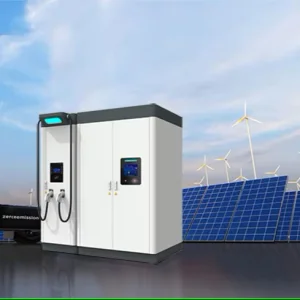
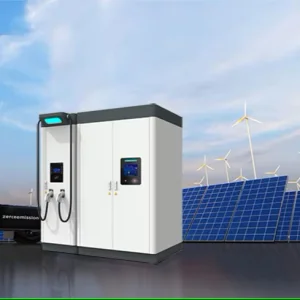
Leading manufacturers embed stationary Battery Energy Storage Systems (BESS) and PV microgrids into dynamic chargers to buffer grid power draw during peak dynamic allocation demands.
Emerging Paradigms in High-Power Electronics, V2G Interoperability, and Inductive Wireless Systems
With heavy-duty commercial trucks requiring multi-megawatt power intake, dynamic charging networks are evolving from 350kW CCS2 limits to 1.2MW+ MCS standards. Dynamic switching enables a single sub-station power vault to service 4–8 charging bays simultaneously. As long-haul trucks enter and exit, the system dynamically scales current delivery from 200A to 1250A per channel without exceeding utility grid headroom.
Under ISO 15118-20 standards, dynamic chargers will transition from reactive energy consumers to active virtual power plants (VPP). Dynamic bi-directional charging nodes automatically switch between charging vehicles during high renewable availability and discharging energy back into the municipal grid during peak demand surges, creating new revenue streams for site hosts.
The ultimate frontier of EV charging lies in dynamic wireless infrastructure buried beneath highway pavements. Utilizing high-frequency resonant inductive coupling (20kHz–85kHz), vehicles equipped with receiver pads draw electrical power continuously while driving. This dynamic capability enables vehicle battery down-sizing by up to 50%, dramatically reducing EV manufacturing costs and raw material dependence.
Machine learning algorithms integrated into local controller gateways utilize real-time telemetry (vehicle arrival state-of-charge, ambient temperatures, traffic congestion models, dynamic grid pricing) to predictively pre-allocate power capacity across multi-gun charging hubs, achieving near 99% operational energy efficiency.
Tailored Architecture for Logistics Depots, Smart Highways, Public Transit, & Microgrid Hubs
Heavy logistics hubs require simultaneous overnight charging for dozens of delivery vans and semi-trucks. Dynamic charging networks automatically stagger power distribution based on departure schedules—giving maximum current to vehicles leaving first while trickle-charging secondary fleets, reducing grid connection fees by up to 60%.
High-speed highway charging plazas face unpredictable traffic surges. Dynamic matrix charging allows single cabinets to serve up to 4 vehicles simultaneously. As one vehicle reaches an 80% charge level and its BMS tapers charging speed, the dynamic cabinet automatically shifts surplus power to an adjacent vehicle requiring peak current.
Municipal transit networks leverage dynamic overhead pantographs combined with fast-charging depot chargers. Pantographs deliver massive 450kW+ dynamic boosts during 5-minute passenger stopovers, while depot dynamic systems handle overnight balancing across entire city bus fleets.
Spotlight on Zhejiang Midwest Charger Co., Ltd. — Technical Capabilities & Infrastructure
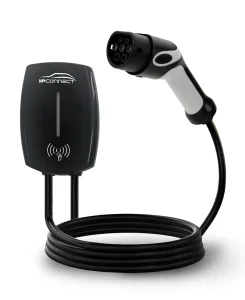
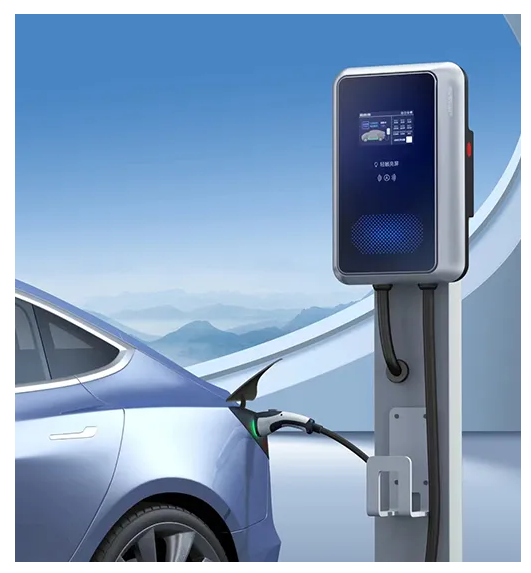
Zhejiang Midwest Charger Co., Ltd. is a leading high-tech enterprise based in China, specializing in the research, development, production, and sales of electric vehicle (EV) charging equipment. Our diverse product portfolio includes home AC charging stations, portable AC chargers, and high-performance DC fast charging stations suitable for residential, commercial, and public applications.
With a strong commitment to innovation and excellence, we aim to provide safe, reliable, and efficient EV charging solutions to meet the evolving needs of global customers. Our corporate vision is to make EV charging safer, smarter, and more accessible. We strive to be a first-class enterprise and build an internationally recognized brand. By continuously advancing technology and adhering to strict quality standards, we aim to lead the EV charging industry toward a more sustainable and electrified future.
Through our dedicated efforts, Zhejiang Midwest Charger Co., Ltd. has successfully exported products to over 20 countries, including the United States, the United Kingdom, Germany, France, and more. Our products comply with CE, CQC, and other international and domestic quality certifications, and we hold multiple invention patents for our proprietary technologies.
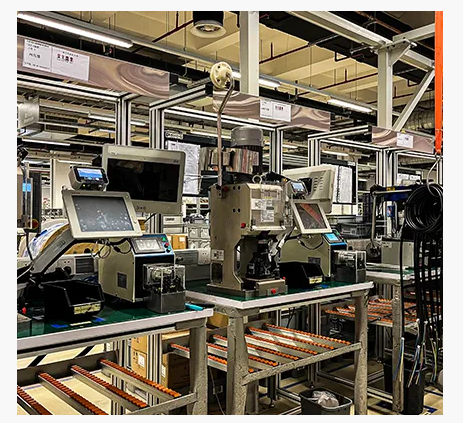
Our company operates an 8,000-square-meter modern factory with around 200 skilled employees. With over 12 years of manufacturing experience, we support both ODM and OEM services, enabling customized solutions for diverse market needs. Our R&D team focuses on innovative design, energy efficiency, and intelligent charging management to ensure each product meets the highest standards of performance and safety.
Quality and safety are the cornerstones of our product philosophy. Each product undergoes rigorous testing and verification before entering the market. We carefully select suppliers for every component and perform regular inspections on all marketed products. Our commitment extends to comprehensive after-sales service, where our professional team follows up on all customer concerns until fully resolved. We believe in collaboration and continuous improvement, inviting like-minded partners globally to capture the golden era of electric mobility.
Key Selection Criteria for C-Suite Procurement & Infrastructure Project Managers
Procurement teams must prioritize dynamic chargers built with modular power rectifiers (e.g., 30kW modules). Hot-swappable architecture allows maintenance engineers to replace failed modules in under 5 minutes without taking the entire charging plaza offline, guaranteeing 99.9% network uptime.
Ensure hardware components fully support open communication protocols (OCPP 1.6J & OCPP 2.0.1) along with RESTful APIs. This allows dynamic chargers to seamlessly integrate into localized Building Management Systems (BMS), utility demand-response signals, and fleet scheduling platforms.
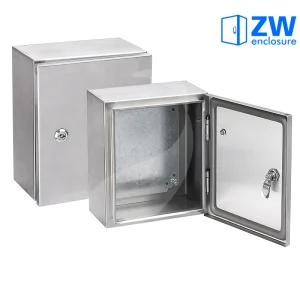
High-power dynamic power allocation generates substantial heat localized at power switching switches. Premium suppliers utilize liquid-cooling loops for power modules and charging cables alongside NEMA 4X / IP65 enclosure ratings to ensure reliable performance in harsh outdoor operational environments.
Meeting Global Safety Standards, Cybersecurity Protocols, and Grid Interoperability
Deploying dynamic charging networks internationally requires strict compliance with region-specific grid standards. Leading suppliers certify their power electronics to CE (Europe), UL/FCC (North America), CQC (Asia), and Eichrecht (German calibration law for billing transparency). Ensure your OEM partner provides full documentation for electromagnetic compatibility (EMC Class A/B) and safety standards (IEC 61851, UL 2202).
Dynamic charging systems must support seamless user authentication and automatic billing. ISO 15118 standard compliance enables "Plug & Charge" capability using Public Key Infrastructure (PKI) encryption. Vehicles automatically negotiate charging profiles and dynamic dynamic load sharing as soon as the cable is plugged in, delivering an effortless user experience without requiring RFID cards or smartphone apps.
Expert Insights addressing Key Technical, Operational, and Commercial Inquiries
Static load sharing splits available power equally among connected plugs (e.g., two plugs on a 180kW charger get locked at 90kW each). Dynamic Charging constantly re-evaluates each vehicle's instantaneous acceptance rate via BMS communications. If Vehicle A can only take 30kW, the dynamic matrix router immediately transfers the remaining 150kW to Vehicle B, maximizing energy output efficiency.
Dynamic Load Management (DLM) controllers measure total facility energy consumption in real time using CT clamps or smart meters. When building electrical loads peak (e.g., HVAC systems running), the DLM controller automatically reduces power allocated to the EV dynamic charging chargers, keeping total site demand strictly below peak utility demand caps.
Yes. Modern dynamic charging architecture natively integrates DC-bus coupling with solar photovoltaic inverters and battery storage systems (BESS). This allows dynamic chargers to draw power directly from local batteries during grid dynamic demand spikes, minimizing expensive demand charges and utility grid upgrades.
Absolutely. With an 8,000m² manufacturing facility, 12+ years of manufacturing experience, and a specialized R&D team, Zhejiang Midwest Charger supports complete OEM/ODM customization—including custom branding, dynamic software protocol integration, custom enclosure ratings (IP65/IP66), and localized grid certifications (CE, CQC, UL).
DWPT uses electromagnetic induction coils embedded underneath the roadway surface to transmit power wirelessly across an air gap to a receiver pad mounted underneath an electric vehicle. High-speed communication links activate individual road coils only when an authorized vehicle drives over them, charging the battery dynamically while in motion.
Explore integrated BESS fast chargers, modular rectifiers, and high-reliability safety hardware.
 Midwest Charger