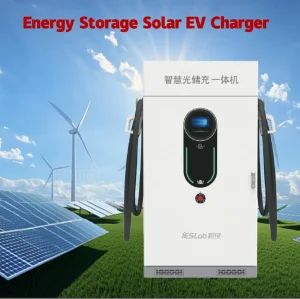
The clean energy paradigm is witnessing an unprecedented convergence of photovoltaics (PV), battery energy storage systems (BESS), and electric vehicle supply equipment (EVSE). In the context of decentralization, the global paradigm is transitioning from grid-dependent charging interfaces to autonomous, resilient Solar Charging Systems. These systems are no longer basic electrical links; they function as bidirectional power conversion nodes capable of dynamic power factor correction, load curtailment, and autonomous peak-shaving.
Advanced developers focus heavily on the integration of wide-bandgap (WBG) semiconductors, such as Silicon Carbide (SiC) and Gallium Nitride (GaN), within core power module converters. This integration yields efficiency curves exceeding 97.5% across a wide range of input voltages. In parallel, the transition from local OCPP 1.6J protocols to OCPP 2.0.1 and ISO 15118 (Plug & Charge) facilitates secure Vehicle-to-Grid (V2G) and Vehicle-to-Everything (V2X) interactions, turning solar charging parking lots into active virtual power plants (VPPs).
Utilizing high-speed Maximum Power Point Tracking (MPPT) algorithms to stabilize output amidst variable solar irradiance, optimizing raw PV yield by up to 28% compared to traditional centralized topologies.
Advanced sub-systems enabling stored battery energy to feed back into the facility or grid during demand spikes, creating secondary revenue streams and stabilization mechanisms.
Offering flexibility between highly efficient DC-coupled setups (direct PV-to-battery transfer) and versatile AC-coupled configurations for easy retrofitting into pre-existing solar arrays.
For utility companies, commercial real estate developers, and logistics fleet operators, procuring solar EV charging systems requires careful consideration of long-term total cost of ownership (TCO). Operational demands dictate hardware that can reliably operate with minimal downtime under extreme environmental stresses. Commercial buyers must verify compliance with strict regulatory bodies (such as UL in North America, CE in the EU, and CQC in Asia) to ensure quick grid-interconnection approvals and compliance with local municipal building regulations.
Furthermore, global business procurement strategies are prioritizing localized adaptation. The ability of the manufacturer to provide custom configuration options—ranging from specific hardware interfaces (CCS1, CCS2, NACS, GBT) to variable cellular and backend network communications (4G LTE, Ethernet, Wi-Fi)—is essential.
1. MTBF Ratings: Systems must exceed 50,000 hours of continuous operation across dynamic thermal ranges (-30°C to +55°C).
2. Firmware Flexibility: Remote Over-The-Air (OTA) configurations via secure OCPP networks to future-proof hardware installations.
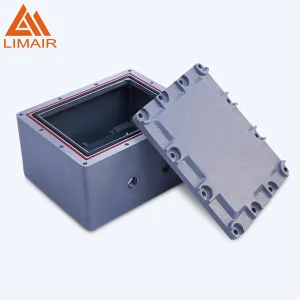
3. Structural Durability: Die-cast aluminum structures with IK10 impact resistance and IP65 waterproof sealing for high-exposure environments.
Zhejiang Midwest Charger Co., Ltd. is a leading high-tech enterprise based in China, specializing in the research, development, production, and sales of electric vehicle (EV) charging equipment. With over 12 years of specialized manufacturing experience, we support comprehensive ODM and OEM services, enabling highly customized solutions for diverse market needs.
Our corporate vision is to make EV charging safer, smarter, and more accessible. We strive to be a first-class enterprise and build an internationally recognized brand. By continuously advancing technology and adhering to strict quality standards, we aim to lead the EV charging industry toward a more sustainable and electrified future.
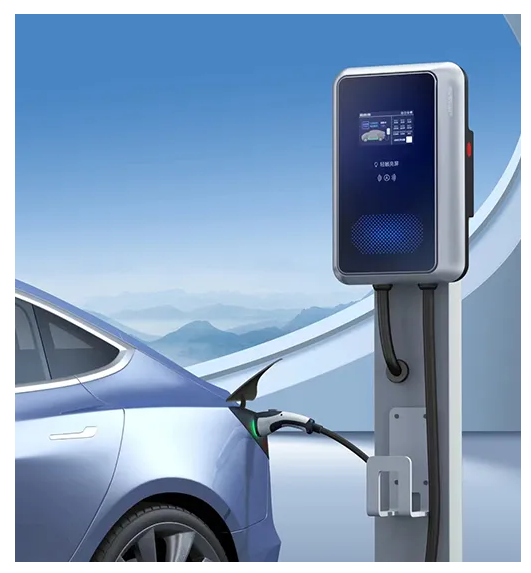
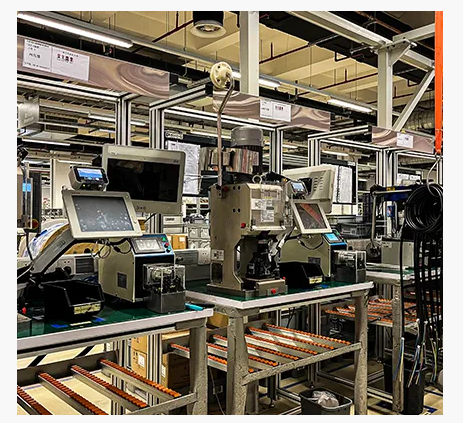
At Zhejiang Midwest Charger Co., Ltd., our production facility operates under strict Industry 4.0 guidelines. Our advanced automated assembly lines utilize robotic soldering, automated optical inspection (AOI), and continuous testing systems to minimize manufacturing variances. This integrated approach ensures consistent quality, even at high volumes.
By locating our factory in the Yangtze River Delta industrial hub, we leverage vertical integration across our supply chain. This strategic position allows us to source raw materials, specialized semiconductors, sheet metal, and protective coatings locally, protecting our production timelines from global supply chain disruptions.
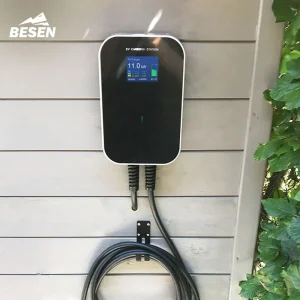
Each unit, from residential wallboxes to multi-megawatt solar charging grids, undergoes full-load thermal burn-in, dielectric strength testing, and functional emulation cycles before packaging. Our facilities are certified to international standards, ensuring compliant and reliable performance in global markets.
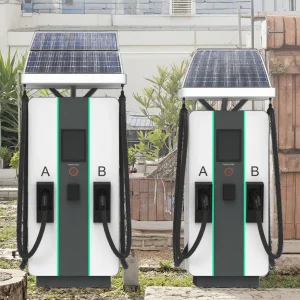
For corporate offices and commercial real estate, parking spaces are transformed into active power generators. Integrated solar carports shade vehicles while supplying power directly to Level 2 and Level 3 DC fast chargers, reducing grid dependency and lowering peak-demand utility charges.
Designed for logistics hubs operating medium- and heavy-duty delivery vehicles. Utilizing customized multi-gun power cabinets, fleet managers can coordinate overnight charging schedules to align with off-peak energy rates, optimizing fleet uptime and operational costs.
For remote mining, agricultural, and construction sites lacking grid access. Direct connection to solar arrays combined with high-capacity battery storage allows our rugged DC chargers to deliver reliable power in demanding outdoor environments.
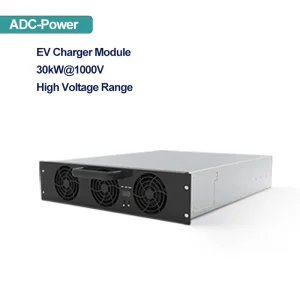
Our multi-gun charging systems utilize intelligent dynamic matrix power routing. The internal charging cabinet detects the vehicle's state of charge (SoC) and battery management system (BMS) requests via PLC protocol (CCS1/CCS2/NACS). It then allocates 30kW power modules dynamically, routing power where it is needed most. This prevents fixed output limitations, reduces average charging wait times, and maximizes overall station throughput.
For standard configurations with custom branding, lead times typically range from 4 to 6 weeks. For deeper ODM projects requiring custom PCB layouts, specialized enclosures (such as stainless steel or die-cast aluminum boxes), or custom communication protocols, the engineering, prototyping, and validation cycle takes 8 to 12 weeks. Every ODM project includes comprehensive Design for Manufacturability (DFM) reviews to ensure scalable and reliable production.
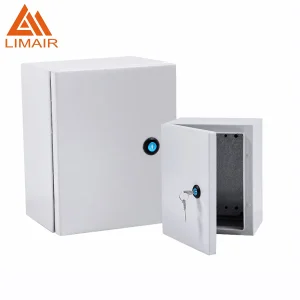
Yes, our outdoor cabinets and junction boxes are engineered to meet IP65 and IK10 specifications. We utilize marine-grade, double-sealed die-cast aluminum and outdoor powder-coated stainless steel enclosures to prevent rust and corrosion. Internal components are protected by conformal coatings to prevent damage from humidity, salt spray, and atmospheric dust.
Our products comply with major global certification systems, including CE (LVD, EMC, RED), CQC, and RoHS. Additionally, our communication layers align with OCPP 1.6J and ISO 15118 standards, ensuring compatibility with global network management software and modern EV charging requirements.
 Midwest Charger