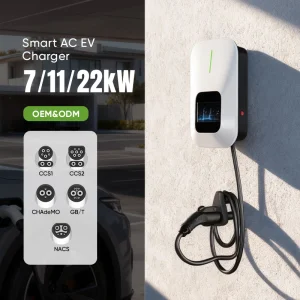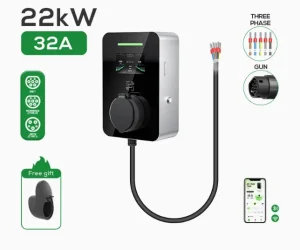
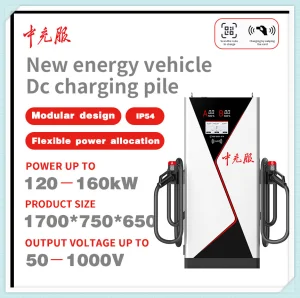
Zhejiang Midwest Charger Co., Ltd. stands as a premier high-tech manufacturer specializing in advanced electric vehicle (EV) charging infrastructure. Headquartered in the manufacturing heart of China, our research and engineering teams develop top-tier hardware and software systems. We support global energy grids with home AC charging stations, portable AC chargers, and ultra-high-performance DC fast charging stations designed for diverse residential, municipal, and commercial sectors.
Our strict adherence to safety, reliability, and smart power management has established us as a key supplier for international grid operators, charge point operators (CPOs), and electric vehicle fleet providers.
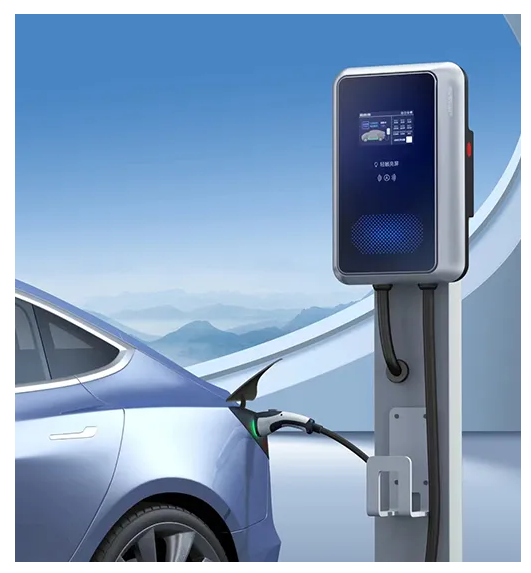
As the transport sector transitions to sustainable energy, next-generation charging infrastructure requires high conversion efficiency, robust thermal dissipation, and smart grid communication.
The integration of Silicon Carbide (SiC) and Gallium Nitride (GaN) power switches dramatically lowers power loss in converter modules. These devices allow for higher switching frequencies, leading to smaller, lighter thermal dissipation assemblies and overall efficiency ratings above 96%.
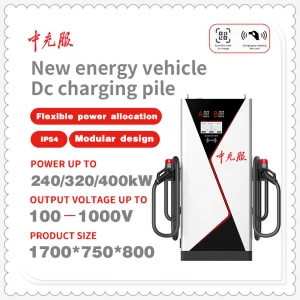
Modern fleets and heavy passenger vehicles require charging outputs from 180kW up to 360kW+. The industry relies on liquid-cooled cables and connector configurations to deliver higher currents without bulkier, heavier wiring harnesses.
Grid stability demands smart systems that charge during off-peak periods and discharge back to the grid during peak usage. Our bi-directional power systems help companies minimize high electricity tariffs and support regional microgrids.
Global buyers face complex regulatory, safety, and operational challenges when building EV charging infrastructure. Procurement managers require manufacturers that provide not only reliable hardware, but also verified compliance documentation and integration support.
Our solutions feature open API integrations and modular hardware components, allowing easy deployment within existing municipal networks and industrial facility systems.
From single-phase residential grids to three-phase industrial high-voltage configurations, our chargers adapt dynamically to grid parameters without losing operational efficiency.
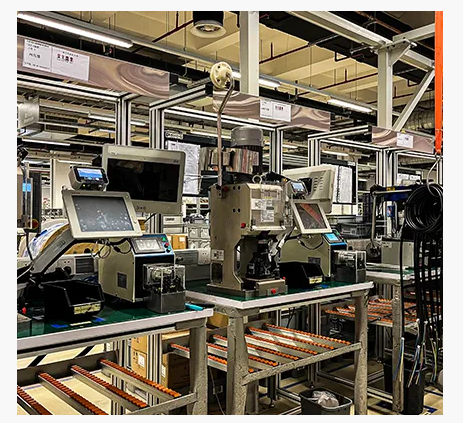
Operating from our modern 8,000-square-meter facility in Zhejiang, we utilize advanced automation and digital logistics systems to maintain production capacity and product consistency. Our integrated manufacturing layout delivers notable advantages for global B2B operations:
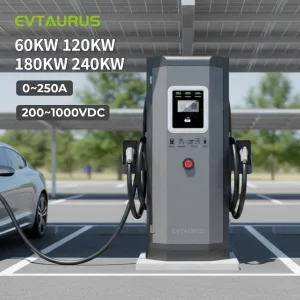
Commercial fleets require consistent, scheduled power delivery. Our high-power DC systems and double-gun charging stations enable logistics hubs to run fast turnaround charging shifts overnight, maintaining fleet uptime.
Cities rely on high-capacity DC networks to keep transit systems running. Our OCPP integration lets municipal operators manage charging speeds, balance regional grid loads, and monitor equipment remotely from centralized dashboards.
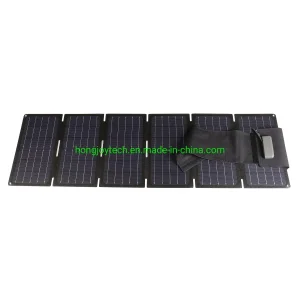
Integrating EV chargers with solar canopies and energy storage systems helps facilities operate sustainably. Our modular converters and portable solar assemblies allow businesses to harvest, store, and utilize clean energy on-site.
Charging hardware must perform reliably under varying local climates, from frigid northern winters to humid equatorial regions. Zhejiang Midwest Charger designs systems with smart environmental management features:
Thermal Control and Pre-Heating: In sub-zero environments, integrated heaters maintain optimal operating temperatures for core electronics, avoiding cold-start system faults and keeping efficiency high.
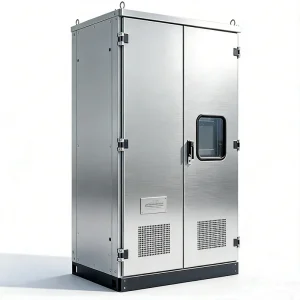
Moisture and Dust Resistance: In coastal or high-humidity regions, electronic boards feature conformal coatings and are housed in IP65/IP66 sheet metal enclosures to prevent salt-spray damage and electrical failures.
Our DC fast chargers feature multi-layer safety architectures. These include over-voltage, under-voltage, over-current, and over-temperature protection, alongside integrated Type A 30mA + DC 6mA residual current sensors. The system continuously monitors the charging run, instantly stopping current delivery if it detects insulation issues or grounding faults, helping to protect both the vehicle battery and the local charging system.
Our ODM process begins with a technical alignment phase to define input voltage ranges, power module configurations, and localized software integrations (such as custom OCPP backends or local payment readers). We then generate detailed 3D designs and schematics. Once approved, we build and test a physical prototype within 3 to 4 weeks. Following test validation, we proceed to serial production, utilizing our 8,000-square-meter facility for assembly, testing, and shipping.
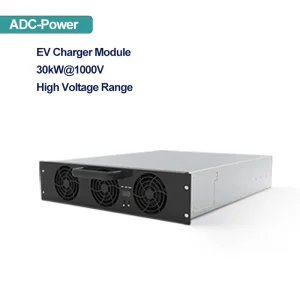
Silicon Carbide (SiC) modules offer superior bandgap energy properties compared to traditional silicon-based parts. They minimize conduction and switching losses, allowing chargers to operate at higher temperatures and switching frequencies. This enables our 30kW and 40kW rectifier modules to reach peak conversion efficiencies above 96%, lowering overall system cooling requirements, reducing enclosure sizing, and decreasing electrical losses during continuous operation.
Quality control is integrated throughout our manufacturing. We evaluate raw materials from approved suppliers, utilize automated testing rigs for intermediate assembly verification, and carry out 100% full-load burn-in procedures on finished stations. Experienced QC engineers perform audit checks, ensuring all systems meet CE, CQC, and domestic compliance certifications before dispatch.
 Midwest Charger