The global transition to electric mobility is accelerating, driving unprecedented demand for optimized infrastructure. Within this shift, the compact wallbox design has emerged as the definitive solution for residential, commercial, and semi-public charging environments. Once considered simple electrical appliances, modern AC and DC compact wallboxes are now sophisticated nodes in a smart energy grid. They demand advanced thermal engineering, high energy density, integrated communications, and strict safety architectures.
Zhejiang Midwest Charger Co., Ltd. is positioned at the intersection of high-precision engineering and mass-production efficiency. This whitepaper analyzes the technical, operational, and supply-chain elements required to design and export world-class compact wallbox chargers. We focus on addressing the complex challenges faced by global distributors, automotive OEMs, and charge point operators (CPOs) in securing resilient, compliant, and cost-effective charging assets.
“True compact design is not merely about scaling down components; it is an optimization challenge balancing volume, heat dissipation, electromagnetic compatibility, and user interface efficiency to deliver maximum power in the smallest envelope.”
Zhejiang Midwest Charger Co., Ltd. is a high-tech enterprise based in China, specializing in the research, development, production, and sales of electric vehicle (EV) charging equipment. Our product portfolio spans home AC charging stations, portable AC chargers, and high-performance DC fast charging stations suitable for residential, commercial, and public applications. We bridge the gap between initial design concept and high-volume global distribution.
With over 12 years of manufacturing experience, we operate an 8,000-square-meter modern factory staffed by approximately 200 skilled specialists. Our infrastructure supports end-to-end ODM and OEM services, allowing us to customize charging profiles, physical form factors, custom branding, and firmware behaviors. Our design philosophy centers on mechanical robustness, electrical safety, and modern aesthetics, ensuring each compact wallbox integrates cleanly into its architectural environment.
Our vision is to make EV charging safer, smarter, and more accessible. We aim to build an internationally recognized brand by advancing technology, maintaining strict quality standards, and supporting partners globally as the EV industry transitions toward an electrified future.
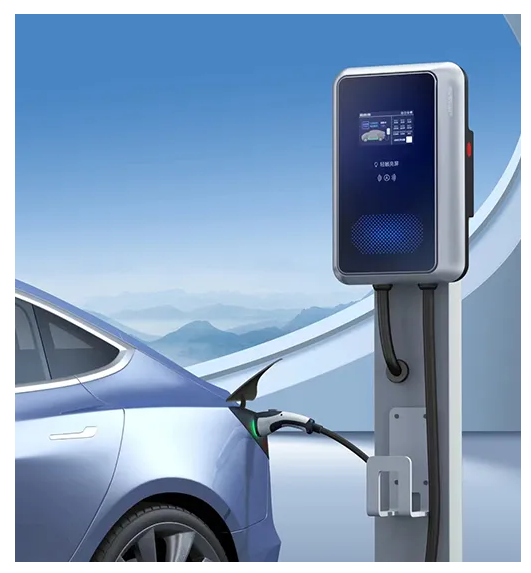
Passive cooling design using high-conductivity aluminum alloys and internal isolation chambers, allowing maximum current throughput without active fans in sealed IP65 enclosures.
Designed for full compliance with CE, CQC, IEC 61851-1, and UL standards. Includes built-in Type B residual current protection (6mA DC leakage detection).
Integrates with building management systems via Modbus and OCPP 1.6J/2.0.1, scaling power dynamically based on current electrical panel loads.
The engineering landscape for EV charging stations is moving toward higher power density and deeper grid integration. Zhejiang Midwest Charger Co., Ltd. is focusing its R&D efforts on key industry developments:
Standard silicon switches are reaching their thermal limits. Our next-generation compact DC wallbox architectures leverage Silicon Carbide (SiC) and Gallium Nitride (GaN) components. These materials feature higher switching frequencies, lower switching losses, and higher thermal conductivity. This allows us to reduce the physical footprint of our power modules by up to 35% while maintaining electrical efficiency above 96%.
Vehicle-to-Grid (V2G) and Vehicle-to-Home (V2H) technologies are transforming electric vehicles from simple loads into decentralized energy storage systems. Our hardware roadmap supports ISO 15118-20, enabling secure bidirectional communication and power transfer. This allows end users to power their homes during peak grid hours using their EV batteries, lowering overall energy costs.
| Parameter | Current Generation AC Wallbox | Next-Gen SiC/GaN DC Wallbox | Grid-Interactive V2G System |
|---|---|---|---|
| Power Range | 7.4 kW - 22 kW | 20 kW - 40 kW | 11 kW - 22 kW (Bidirectional) |
| Target Efficiency | > 98.2% (Pass-through) | > 96.5% (Conversion) | > 95.8% (Dual Conversion) |
| Thermal Control | Natural Convection | Dynamic Airflow / Liquid-Cooled Ready | Natural Heat Sinking |
| ISO 15118 Compliance | PNC (Plug and Charge) ready | Full ISO 15118-20 Support | Bidirectional Power & Security Protocols |
By integrating edge computing microcontrollers within our compact chargers, we enable real-time anomaly detection. These systems monitor contactor wear, insulation resistance, and thermal profiles. By using predictive maintenance algorithms, our partners can address potential components failures before they lead to station downtime.
EV infrastructure projects must scale to support complex electrical ecosystems. A standalone wallbox is limited by local power capacity. Our compact wallbox designs are developed to integrate directly into broad energy architectures:
Through support for Modbus RTU/TCP protocols, our compact wallboxes integrate directly into existing building management systems. Facilities managers can monitor real-time power consumption, schedule charging rates to match off-peak hours, and generate detailed carbon reduction reports. This modular integration turns our charging hardware into a strategic asset for commercial properties and corporate offices aiming to meet ESG targets.
Our manufacturing and logistical capabilities are central to our export success. Operating in Zhejiang, China, we leverage a highly integrated industrial ecosystem to optimize quality, control costs, and reduce lead times.
We source structural components, magnetics, logic controllers, and wire assemblies within a 150-kilometer industrial corridor. This cluster helps protect production schedules from disruptions in international logistics. Additionally, it enables rapid prototyping and shortens the design cycle for customized orders.
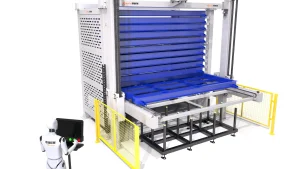
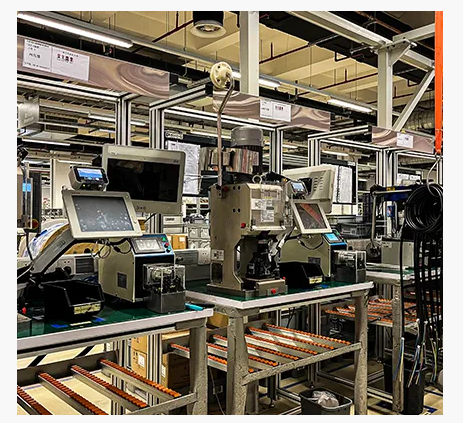
Our facility features automated sheet metal inventory management and precision processing lines. This level of automation reduces human error in metal fabrication, ensures precise assembly tolerances, and maintains high cosmetic consistency for our wallbox enclosures. Our digital tracking systems maintain component traceability from receipt at warehouse to final product testing.
“Automated material handling and structural design integration enable us to transition from client specifications to verified prototypes in less than 21 days, providing an advantage in dynamic global market settings.”
Exporting to over 20 countries requires compliance with diverse grid standards and regulatory frameworks. Zhejiang Midwest Charger Co., Ltd. builds international compliance directly into our product architecture:
Our quality control processes include component-level inspects and full functional testing. Units undergo high-pot tests, insulation resistance verification, calibration checks, and simulated grid disturbances before packaging. Environmental testing chambers evaluate enclosure performance under extreme thermal loads, UV exposure, and moisture ingress to verify durability in outdoor conditions.
For procurement officers, hardware design represents only one part of the sourcing process. Operational and commercial terms must align to support project execution:
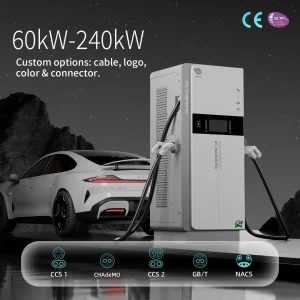
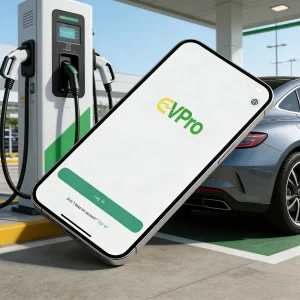
We work with brand owners to customize enclosure colors, shapes, front-glass graphics, and UI screens. Firmware modification allows integration of specific local payment and configuration apps, helping partners launch localized products quickly.
Our scalable production processes allow us to handle large-volume orders while remaining flexible enough to accept smaller initial orders for testing and pilot rollouts. Standard designs benefit from stock components, helping us maintain predictable lead times.
Our shipping team manages export logistics, helping resolve customs issues for destinations across Europe, North America, and the Asia-Pacific region. Our technical support team assists client engineers with remote firmware updates, commissioning support, and replacement parts.
 Midwest Charger