Electric vehicle (EV) charging cables are often surprisingly heavy and thick. This characteristic raises the question: why are EV charging cables so heavy and thick? Industry expert Dr. Emily Chen emphasizes, "The durability and safety of charging cables are paramount." These cables must handle high voltages and currents, making their construction crucial.
The thickness serves multiple purposes. First, it provides insulation, preventing electrical hazards. Second, robust materials protect against wear and tear. While these features may seem excessive, they ensure consistent performance in various climates. EV drivers might find the weight cumbersome, but it serves a critical role in reliability and safety.
This reality often leads to consumer confusion. Many wonder if lighter cables would suffice. However, Dr. Chen's insights remind us that these cables are a fusion of engineering and safety. Reflecting on their weight might prompt deeper considerations about energy transmission and vehicle design, ultimately enhancing the EV experience.
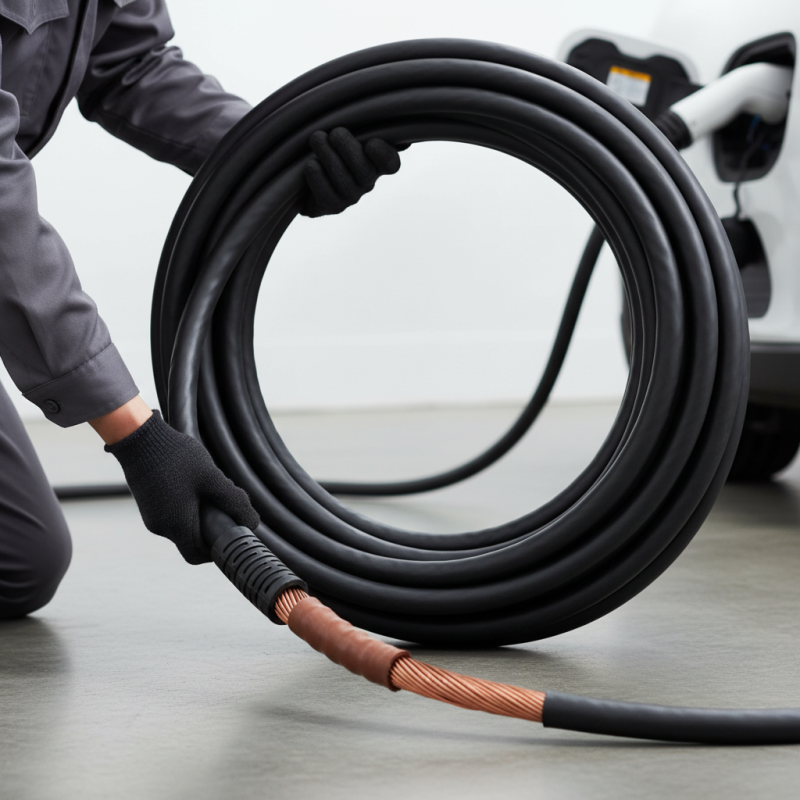
EV charging cables are hefty. The thickness of these cables results from their design, which must handle high currents safely. Industry standards indicate that cables for electric vehicles generally support currents ranging from 16A to 400A. This variation requires robust materials that can endure the thermal stress during charging.
The insulation material is crucial. EV charging cables typically use thermoplastic elastomer (TPE) or rubber for insulation. These materials not only provide flexibility but also protect against environmental factors. A study by the International Electrotechnical Commission notes that the outer diameter of good-quality cables is often around 20mm to ensure safety and performance. Moreover, a thicker design aids in heat dissipation, which is essential for preventing overheating.
However, this heavy design can present challenges. Portability suffers, making it cumbersome for users. Reports suggest that 30% of EV owners express concern over the weight of their charging cables. While safety and performance are prioritized, the industry faces pressure to innovate lighter alternatives without compromising functionality. Balancing these concerns is an ongoing discussion among engineers and manufacturers.
Electric vehicle (EV) charging cables are notably heavy and thick. Several key components contribute to this design. The primary factor is the copper wiring. Copper is an excellent conductor of electricity. However, it is also heavy, adding considerable weight to the cable.
The insulation surrounding the wires is another significant aspect. This insulation needs to be robust to withstand high voltages. Often, it is made from thick rubber or plastic materials, increasing both the weight and size of the cable. Additionally, the protective jacket serves to shield the wiring from physical damage. This layer is vital for safety and longevity, but it also adds bulk.
While these factors ensure efficient charging and safety, they create challenges for users. Many people find handling thick cables cumbersome. They can be especially tricky for individuals with limited strength. The industry faces a need for innovation. Reducing the weight without compromising safety remains a goal. This balance may require more advanced materials or innovative designs in the future.
When it comes to electric vehicle (EV) charging cables, their weight and thickness are often surprising. The primary reason lies in their electrical conductivity. Higher conductivity materials, like copper, allow for efficient energy transfer. According to a report by the International Energy Agency, solid copper cables minimize power loss during charging. This is crucial for drivers expecting fast, efficient energy replenishment.
However, heavier cables are not merely a design choice. They need to handle increased current levels, which can reach up to 350 kW in some EV charging stations. Thicker insulation ensures safety, preventing heat buildup and potential hazards. Yet, it's worth noting that the extra weight can make handling cumbersome, raising concerns about user experience.
Tips: Choose cables based on specific needs. If you mostly use home charging, lighter options may suffice. Always check for certification standards, ensuring reliability. Additionally, consider cable lengths; a longer cable may add confusion and mobility challenges. Proper storage solutions can mitigate these weight concerns, allowing for easier handling and transportation.
Electric vehicle (EV) charging cables are heavy for a reason. The insulation plays a critical role in ensuring durability and safety. High-quality insulation materials help protect the wires from damage. This is vital since the cables operate under various environmental conditions. They endure heat, cold, moisture, and even physical stress. A standard charging cable can be exposed to a lot of wear and tear.
The thickness of the insulation also affects the cable's ability to handle high currents. Thicker insulation can prevent overheating and reduce risks of electrical fires. However, this can make the cables unwieldy. Many users struggle with the weight. It’s an ongoing debate in the industry. Some argue that the added heft is necessary for safety. Others wish for lighter options to improve usability.
Proper cable design is about balancing safety and practicality. Engineers often face challenges in creating cables that are both lightweight and safe. The complexity of materials required to ensure effective insulation adds to the weight. Improvements continue to be made, yet there's room for innovation. Designers must consider the user experience alongside safety standards.
| Cable Type | Thickness (mm) | Weight (kg/m) | Max Current (A) | Insulation Material | Durability Rating | Safety Features |
|---|---|---|---|---|---|---|
| Type 1 | 20 | 0.5 | 32 | PVC | High | Overcurrent Protection |
| Type 2 | 25 | 0.7 | 63 | TPE | Very High | Temperature Resistance |
| Type 3 | 30 | 0.9 | 100 | Silicone | Extreme | Waterproof Coating |
| Ultra-Fast | 35 | 1.2 | 350 | Polyurethane | Top Tier | Shock Resistance |
Electric vehicle (EV) charging cables are noticeably heavier and thicker than traditional power cables. This difference is crucial for the safety and efficiency of EV charging. Unlike regular power cables, which usually handle lower voltages and currents, EV cables need to support high power transfer. They must withstand high temperatures and prevent overheating during charging.
The construction of EV charging cables is more robust. They have thicker copper conductors to efficiently transmit higher currents. Additionally, these cables include heavy insulation to protect against electrical shock and external damage. The materials used in the insulation are often more durable, making the cables resistant to wear and tear. However, this added robustness can make handling them more cumbersome.
Another aspect to consider is weight. The added materials result in a cable that can be quite hefty. This can be inconvenient for users who need to frequently connect and disconnect their EVs. While the safety features are vital, this also raises questions about ergonomics. There’s a balance to find between necessary strength and user-friendliness in cable design. Improvements are needed to enhance usability without compromising safety.
: They need to handle higher current levels. These cables use thicker copper conductors and heavy insulation for safety.
Higher conductivity, like in copper, allows efficient energy transfer. It minimizes power loss during charging, enhancing performance.
Thicker insulation prevents heat buildup and electrical shock. It ensures safety, especially during high power transfers.
Lighter cables work well for home charging. Assess your charging habits before choosing the appropriate type.
Yes, heavier cables can be cumbersome. They may make connecting and disconnecting from charging stations inconvenient.
Longer cables allow flexibility but can cause mobility challenges. Choose a length that suits your charging environment without confusion.
Yes, while safety is vital, improvements are needed for ergonomics. User-friendly designs would enhance the overall experience.
Proper storage solutions help mitigate weight concerns. Organizing cables effectively aids in easier handling and transportation.
The article titled "Why Are EV Charging Cables So Heavy and Thick Explained" delves into the fundamental reasons behind the weight and thickness of electric vehicle (EV) charging cables. Understanding the design of these cables reveals that their key components, such as robust conductors and extensive insulation, are integral to their performance and safety. The role of electrical conductivity is crucial, as higher-quality materials are necessary to handle the increased power demands of EVs, contributing to the overall heft.
Furthermore, the insulation used in these cables significantly impacts their durability and safety, ensuring they can withstand various environmental conditions. By comparing EV charging cables with traditional power cables, the article highlights that the increased thickness and weight of EV cables are essential for efficient energy transfer and long-term reliability, emphasizing why EV charging cables are designed with such characteristics.
Midwest Charger