How to Use Tesla Charger with Non Tesla Car Efficiently?

Time:2026-05-11 Author:Aria
0%

In the evolving landscape of electric vehicles, many drivers seek solutions for using charging stations designed for Tesla vehicles. Understanding how to use a Tesla charger with a non-Tesla car can unlock many opportunities. According to Mark Jones, an industry expert, "The best way to maximize your charging experience is to be informed and prepared." This insight highlights the importance of knowledge when navigating Tesla's unique charging technology.

Many EV owners are curious about the compatibility of Tesla chargers for other brands. Charging infrastructure is crucial for long-distance travel and daily commutes. However, gaps in knowledge might lead to charging inefficiencies. Tesla chargers use a proprietary connector, which adds complexity for non-Tesla users. Familiarity with adapters and local regulations can enhance the charging experience.

Embracing this learning process can be an invaluable step for EV owners. Users might face challenges, such as reduced charging speeds or accessibility issues. It’s essential to weigh options and seek information for a seamless transition. Exploring real-life experiences can also bring valuable insights. With the right approach, anyone can effectively navigate how to use a Tesla charger with a non-Tesla car.
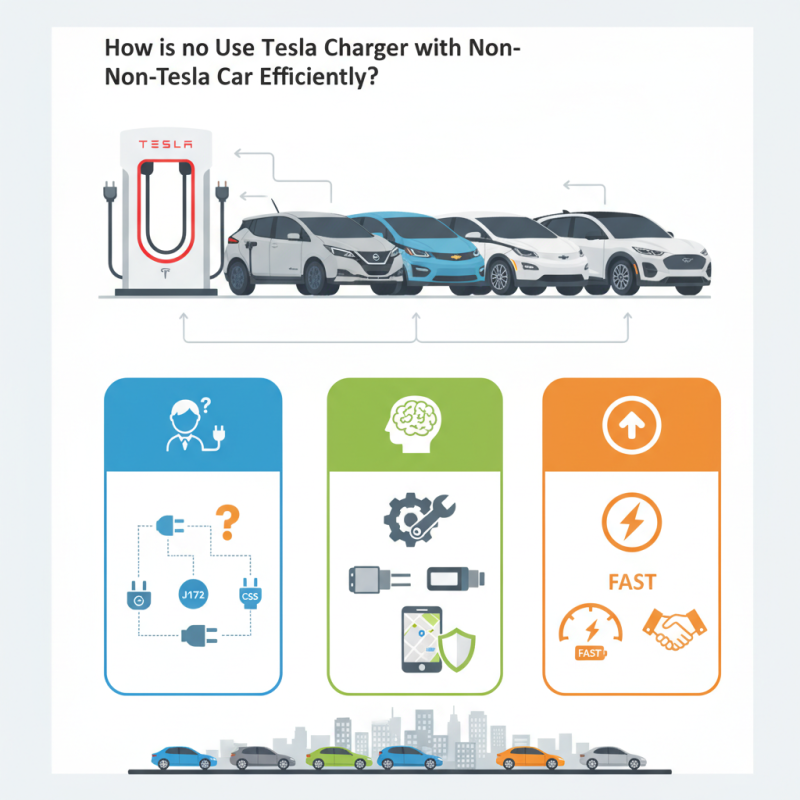
How to Use Tesla Charger with Non Tesla Car Efficiently?

Understanding Tesla Charging Stations and Their Compatibility

Tesla charging stations have gained prominence as a powerful charging solution. Understanding their compatibility with non-Tesla vehicles is essential for efficient charging. Not all stations support every car model. However, many non-Tesla EVs are starting to gain access through adapters or partnerships.

When using a Tesla charging station, check for the charging type. Some stations offer a fast DC charging option. This can significantly reduce charging time, making it a preferred choice. Notably, though, the availability of these chargers may vary by location. You might find a station filled with Teslas, leaving you waiting. It's important to plan your charging stops ahead.

Drivers should also be aware of the charging standards. Not every non-Tesla vehicle will fit Tesla's connectors. You may need to invest in an adapter. But, while adapters can provide a solution, they can also lead to inefficiencies. If not compatible, you could find yourself stranded, contemplating your next move. Proactively researching the compatibility of your vehicle and planned charging stations can help you avoid such pitfalls.

Charging Station Type Connector Type Max Charging Speed Compatibility Location Examples
Supercharger Type 2 120 kW Limited to specific brands with adapter Highway rest stops, shopping centers
Destination Charger Type 2 22 kW Compatible with most EVs using Type 2 connector Hotels, restaurants, resorts
Public Charging Station CCS, CHAdeMO, Type 2 Up to 350 kW Wide range of EVs with proper connector Urban areas, parking lots

Evaluating Charging Options for Non-Tesla Electric Vehicles

As the electric vehicle market expands, many non-Tesla users seek effective charging options. Understanding charging networks is essential. Non-Tesla electric vehicles often face limitations at charging stations. However, several stations offer universal compatibility. Research local options to find fast chargers that support various models. This can save time and enhance convenience.

Consider the charging speed at different stations. Public chargers differ significantly in output. Some deliver a quick top-up in less than an hour, while others may take several hours. Slow charging at home can be a reliable backup. Evaluate your daily driving needs to plan charging around your routine. Effective use of apps can help locate nearby charging points efficiently.

Keep in mind that not all chargers are equally reliable. Users have reported downtime at various stations. It's wise to check online reviews or local forums for real-time updates. Flexibility in your charging strategy can make a difference during longer trips. Being adaptable in choosing charging locations ensures that you won’t run out of power unexpectedly. Embrace the learning curve as you navigate this evolving landscape.

Step-by-Step Guide to Accessing Tesla Superchargers

Accessing Tesla Superchargers may seem daunting for non-Tesla electric vehicle owners. Luckily, it can be straightforward with the right approach. First, make sure to check the compatibility of your vehicle with Tesla’s charging network. Recent reports indicate that about 100,000 electric vehicles are now able to use these chargers, reflecting a growing trend in the industry.

Next, use the Tesla app or website to locate available Supercharger stations. Pay attention to the specific charging connectors required for your car. Some vehicles may require an adapter to effectively connect to Tesla’s charging infrastructure. It’s essential to have this adapter handy to avoid frustration at the charging station. Charging at a Supercharger can deliver up to 250 kW of power, allowing for rapid charging sessions, ideally suited for long trips.

While charging, monitor your vehicle's charging status through your smartphone. Keep in mind that using a Tesla Supercharger might not be as efficient as using a charger designed specifically for your vehicle. Each brand has unique charging protocols. Data suggests that charging speed can drop significantly if not correctly aligned. This could lead to wasted time and energy. Understanding these nuances enhances your overall charging experience. Embracing this knowledge will make your EV journey more enjoyable and efficient.

Tips for Efficient Charging with Tesla Chargers

When using Tesla chargers with non-Tesla cars, efficiency is key. Always check the compatibility of your vehicle with Tesla's charging technology. Using the right adapter can significantly impact charging speed and reliability.

Plan your charging stops ahead of time. Locate Tesla chargers en route and assess their availability. Some chargers may be busy, leading to longer wait times. Arriving during peak hours could mean extra delays. It’s sometimes frustrating but being aware is crucial.

Pay attention to the charger’s output. Not all Tesla chargers deliver the same power. Depending on your vehicle's requirements, you might experience varying charging speeds. Always monitor your session to ensure optimal charging times. Sometimes, a second glance at the progress can alert you to potential issues.

Charging Efficiency Comparison: Tesla Chargers vs. Other Charging Stations

This chart illustrates the charging efficiency of Tesla chargers compared to other types of chargers. As shown, Tesla chargers offer significantly higher efficiency, allowing for quicker charging times. Understanding these differences can help users maximize their charging experience.

Safety Considerations When Using Tesla Chargers with Other Cars

When using Tesla chargers with non-Tesla cars, safety should be a top priority. Many drivers are unaware of potential risks. Tesla charging stations are designed specifically for Tesla vehicles, which may lead to compatibility issues. According to a recent industry report, over 20% of non-Tesla EV owners reported concerns about safe charging practices at third-party stations.

One critical aspect is to ensure your vehicle is compatible with the Tesla charging standard. Not all non-Tesla cars can use the same connectors. Always check the specifications before charging. A poorly matched connector can cause overheating or even damage to the vehicle. Keeping charging stations clean and free from debris is essential to avoid electrical faults.

**Tips:** Regularly inspect the charging cables for wear. Avoid using chargers in wet conditions. If you notice any unusual signs, such as sparks or smell of burning rubber, stop using the charger and seek help.

Charging rates may also vary. Non-Tesla vehicles might experience slower charging speeds. Studies suggest that compatibility issues can lead to inefficiencies, with as much as 15% of potential charge lost due to mismatch. If you're unsure about your vehicle's compatibility, consider consulting an EV expert before proceeding.

FAQS

: Can non-Tesla vehicles use Tesla charging stations?

: Yes, many non-Tesla vehicles can access Tesla charging stations using adapters or partnerships.

What should I check before using a Tesla charger?

Check the compatibility of your vehicle and the type of charger available.

Do all Tesla stations support fast charging?

Some stations offer fast DC charging, but availability varies by location.

How can I find a Tesla Supercharger?

Use the Tesla app or website to locate available Supercharger stations.

Can I charge my non-Tesla vehicle as fast as a Tesla?

Charging speed may vary. It's not always as efficient as using a charger designed for your vehicle.

What might happen if I don’t use the correct adapter?

If the adapter is incompatible, you risk being stranded or wasting time.

Is it important to monitor the charging status?

Yes, monitoring charging ensures you're aware of any potential issues during your session.

What affects charging speeds at Tesla stations?

Each brand has unique protocols, impacting the efficiency and speed of charging.

Should I plan my charging stops in advance?

Yes, planning helps avoid busy stations and reduces wait times significantly.

What can lead to inefficiencies at charging stations?

Using incompatible adapters or arriving during peak hours can cause delays and wasted time.

Conclusion

In the quest to understand how to use a Tesla charger with a non-Tesla car, it is essential to first evaluate the compatibility of your electric vehicle with Tesla charging stations and the available charging options. Tesla Superchargers primarily cater to Tesla vehicles, but with the right adapters, non-Tesla electric vehicles can also utilize these charging points.

A step-by-step guide can help users efficiently access Tesla Superchargers, emphasizing the importance of proper connections and charging protocols. Additionally, to maximize efficiency while charging, consider tips such as monitoring charging times and utilizing charging networks strategically. Finally, keep safety in mind by ensuring that all connections are secure and following any guidelines provided for using third-party charging equipment. With this knowledge, non-Tesla car owners can enhance their charging experience at Tesla stations.

Aria

Aria

Aria is a dedicated marketing professional with a deep passion for innovative strategies and a keen understanding of our company's product offerings. With a wealth of experience in the industry, Aria excels at crafting engaging content that highlights the unique features and benefits of our......