Electric vehicles have transformed the way we think about transportation. However, many drivers often face a perplexing situation: "why can't I unplug my charger from the electric car?" This question has been addressed by industry expert Dr. Sarah Mitchell, who emphasizes, "Understanding your vehicle's charging system is key to avoiding such frustrations."
When it comes to disconnecting the charger, the process may not always be straightforward. Some models have safety features that prevent disconnection during charging. These features are designed to protect both the car and the user. Yet, they can lead to confusion if drivers are unaware.
Additionally, factors like temperature, battery state, and even software updates can complicate things further. Drivers may feel anxious when they can't unplug their vehicles. This moment can feel frustrating; it often raises questions about the reliability of the technology. A better understanding of charging systems can alleviate such concerns and enhance the user experience.
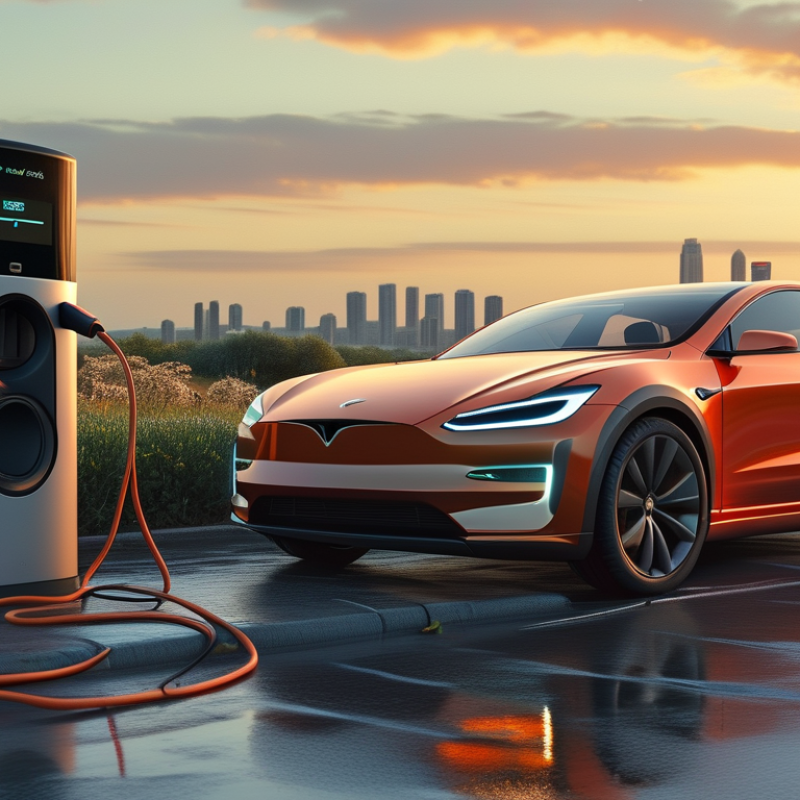
Electric vehicle (EV) charging systems can be confusing. When you can’t unplug your charger, it often involves basic issues in the charging process. Understanding the mechanics of your EV charger is essential for resolving such situations. Electric vehicle chargers usually have mechanisms that lock the connector to prevent accidental disconnections. This feature protects your battery from interruptions during the charging cycle.
One common reason for a stuck charger is that the vehicle's system is still "active." If the car remains in charging mode, it will lock the connector in place. Therefore, always check your vehicle settings before unplugging. If a charging session is still in progress, wait for the process to finish.
Tips: Make it a habit to check the dashboard for charging status. This can save you time and frustration. Also, ensure you use the correct charger type for your vehicle. Mismatched chargers may lead to malfunctioning connections, causing further issues. If problems persist, consult a professional technician for further assistance. Being proactive can prevent many charging inconveniences.
Electric car owners often find themselves in a frustrating situation—unable to unplug their charger. This issue typically arises from the vehicle's locking mechanism. Understanding this feature is crucial for all electric vehicle drivers.
One common reason for the charger being stuck is that the vehicle is still in "charging mode." Many models require the charging process to be fully complete before unlocking the cord. A quick glance at the dashboard can indicate whether the charge is finished. Occasionally, users may forget to stop the charging session via the car's app or controls, leading to similar problems.
Another factor could be the temperature. In colder conditions, the charger may freeze or bond to the socket. This can create a situation where pulling the charger becomes nearly impossible. If you face this issue, gently wiggling the plug could help. Sometimes, simply waiting for the vehicle to recognize your desire to disconnect is necessary. Patience is key here.
Encountering issues when trying to unplug your electric car charger can be frustrating. It often comes down to a few common factors. First, ensure that the charging session has actually ended. Sometimes, the charger needs a few additional seconds to finalize the process before it can be unplugged. Look for indicator lights on the charger. They can provide clues about whether the charging is still active.
If the charger remains stuck, check if the vehicle is fully in "Park" mode. Many electric vehicles have safety features that prevent disconnection if the car is not completely stationary. Another tip is to inspect the charging port for debris. Any obstruction can create a poor connection, making unplugging difficult. In some cases, there might be an issue with the charger itself, which requires professional assessment.
If all else fails, consult your car’s manual. It might have specific instructions for your model. Connecting with professionals can clarify persistent problems. Reflecting on these experiences helps build a better understanding of the technology. As electric vehicles become more common, troubleshooting skills will prove invaluable.
When dealing with electric cars, one common frustration is the inability to unplug the charger. This situation often stems from safety features designed to protect both the vehicle and the user. Many electric vehicles (EVs) are equipped with locking mechanisms that prevent the charger from being disconnected while the vehicle is in operation or charging. According to a report from the International Energy Agency, these safety protocols are essential in preventing accidents.
Another reason for present difficulties in unplugging the charger stems from the thermal management systems in modern EVs. High charging temperatures can trigger automatic locks, making removal impossible until cooling occurs. Data from the U.S. Department of Energy indicates that about 30% of electric vehicle users have experienced similar issues at some point. This highlights both the necessity and complexity of ensuring user safety while enhancing charging efficiency.
Interestingly, these features can sometimes backfire. Users may find themselves stranded, awaiting the cooling process. This creates anxiety, particularly during peak charging times. With rapidly evolving technology, manufacturers are continually updating these systems. The challenge lies in balancing safety with usability, ensuring that drivers can confidently navigate their charging needs without excessive downtime.
Experiencing difficulties unplugging your charger from your electric car can be frustrating. It might seem like a minor issue, but it sometimes indicates a larger problem. When you find yourself unable to disconnect the charger, it’s crucial to assess the situation carefully.
Check if the charging session has properly ended. Many charging stations have a locking mechanism that engages even when the car is off. If it's locked, wait a moment before trying again. Look for any error messages on the car’s display that could provide insight. If none are present and the problem persists, it might be time to consider professional assistance.
Regular wear and tear can cause charging malfunctions. Inspect the charging port for dirt or damage. Often, a visual check can reveal whether the issue is minor or requires expert intervention. If you hear strange noises or notice unusual sparks, do not attempt to fix it yourself. Call a professional immediately to prevent further complications.
: The vehicle may still be in "charging mode." Check the dashboard for charging status.
Gentle wiggling might help. Sometimes, wait for the vehicle to recognize your desire to disconnect.
Ensure the charging session has ended and check for indicator lights on the charger.
Yes, the vehicle needs to be in "Park" mode for safety features to allow disconnection.
Inspect the port for obstructions. Any debris can create a poor connection while unplugging.
Consult your car’s manual for specific instructions or seek help from professionals.
Locking mechanisms prevent disconnection when the vehicle is operating or charging to ensure safety.
Automatic locks are part of thermal management systems to prevent overheating during charging.
Yes, high temperatures can trigger locks, making the charger hard to remove until cooling occurs.
Reflect on past experiences. As usage increases, better troubleshooting skills will help in similar situations.
If you find yourself asking, "why cant I unplug my charger from the electric car," it's essential to understand the underlying mechanics of electric vehicle (EV) charging systems. These systems often include locking mechanisms designed to prevent unintended disconnection during the charging process. Common reasons for your charger to be locked can range from charging completion statuses to safety protocols intended to protect both the vehicle and the user.
When troubleshooting, it's helpful to check the vehicle’s charging indicator and follow the proper unhooking procedure. Safety features may also play a role, as certain conditions can make unplugging the charger unsafe until resolved. If you continue to face difficulties, it may be time to seek professional assistance to ensure your vehicle's charging system operates correctly and safely.

Midwest Charger