As electric vehicles (EVs) gain popularity, many homeowners seek ways to charge their cars conveniently. However, how to install a home EV charger without a garage can be challenging. Many face spatial restrictions or lack a dedicated charging space. Yet, with proper planning, it's entirely feasible.
Thinking outside the box is essential. You may consider creative placements like a wall-mounted charger or installing it in a driveway. Ensure your chosen location has easy access to your electric panel. Understanding electrical capacity is crucial. Consulting with a professional electrician can prevent potential hazards. One misstep can lead to costly repairs or safety issues.
While it can feel overwhelming, there are successful strategies to navigate this process. Each home is unique and requires tailored solutions. Some might struggle to find the best spot, while others may face installation costs. Embracing these challenges opens up new possibilities for sustainable living. With patience and research, you can find the right setup for your home.
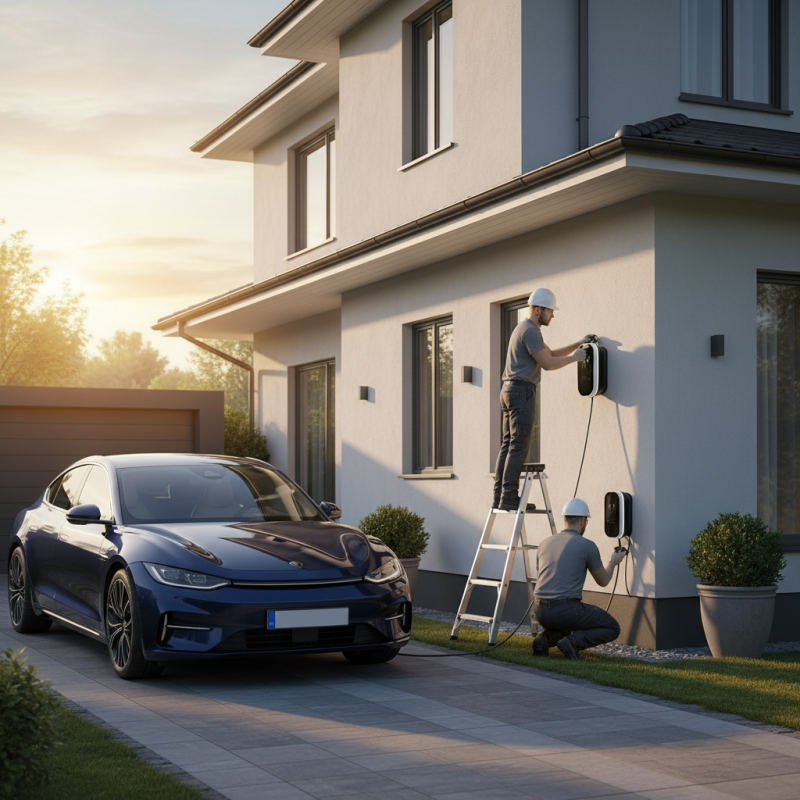
When choosing the right EV charger for your home needs, it's essential to consider your specific requirements. Most electric vehicle (EV) owners prefer Level 2 chargers for their faster charging times. Reports indicate that a Level 2 charger can provide about 25 miles of range per hour, making it an ideal choice for daily use.
Assess your driving habits and charging needs. If you drive longer distances daily, a charger with a higher amperage is advantageous. Some chargers are adjustable, allowing you to set the amperage according to your electrical system capabilities. This flexibility can help avoid any potential overloading issues that may arise.
Installation location matters as well. If your parking area lacks a garage, you may need to install the charger close to your home’s electrical panel. The average distance for cable runs can cost around $2 to $3 per foot, emphasizing the need for careful planning. It is worth reflecting on whether the existing electrical infrastructure meets your charger’s requirements. Engaging a licensed electrician for guidance is a crucial step in ensuring safety and compliance.
When installing a home EV charger without a garage, assessing your electrical capacity is crucial. Start by determining your home's current electrical service. A qualified electrician can help you assess the amperage. Most homes need at least 200 amps to support an EV charger effectively.
Evaluate the location of your charger. If it's outdoors, ensure it’s near your main electrical panel. This minimizes wiring challenges and costs. Also, consider your daily energy needs. Are you using high-demand appliances? Balancing your load is essential to avoid overloads.
Installing a charger may require upgrades to your electrical panel. This is a major decision that involves cost and time. Seek professional advice for long-term safety and efficiency. Check your local codes and regulations regarding electrical installations. Compliance is necessary to ensure safety and optimal performance.
Installing an EV charger outdoors requires careful planning. First, identify an ideal location close to your electrical panel. The National Renewable Energy Laboratory (NREL) states that optimal placement reduces installation costs by up to 30%. This proximity minimizes wiring length and decreases labor time, ensuring a more efficient installation process.
Consider the environment around your chosen spot. Factors such as sun exposure, wind, and precipitation can affect charging efficiency and the longevity of your equipment. A shaded area may prevent overheating, while protection from harsh weather extends the charger’s lifespan. Additionally, ensure the area is accessible and safe for daily use. Tripping hazards or obstructions could lead to accidents, making it vital to assess the surrounding site.
Finally, think about visibility and local regulations. Some HOA guidelines restrict charger placement in certain areas. Researching these rules beforehand can save time and effort. Furthermore, avoid installing the charger in areas prone to flooding or heavy snowfall. These conditions can damage your equipment, leading to unexpected repair costs. Taking these factors into account can lead to a successful and safe installation.
Installing a home EV charger without a garage can pose unique challenges. Understanding local permits and regulations is crucial. Different regions have varying requirements for installation. For instance, some municipalities may mandate a permit for any electrical work, while others may allow exceptions for low-voltage installations up to a certain wattage. According to the International Code Council, about 50% of homeowners fail to check local codes before installation. This can lead to costly fines or required modifications later.
Preparation is key. It’s advisable to consult with a local electrician familiar with EV charger installations. They can guide you on the specific permits you may need and ensure compliance with safety standards. A recent study from the Electric Vehicle Association noted that 70% of DIY installations without professional oversight end up needing rework. This can negate potential savings from doing it yourself.
Consider where the charging unit will be placed. Proximity to the electrical panel can impact installation costs. Insufficient distance can lead to complications and increased expenses. Ensure all wiring and circuits meet local electrical codes. Missteps in installation can lead to dangerous situations, such as electrical fires or damage to the vehicle’s charging system. Investing in professional advice can save you from these unforeseen issues. Take the time to understand these regulatory aspects to make your installation safe and successful.
When installing an EV charger outdoors, safety is paramount. Begin by inspecting your installation site for proximity to power sources. Ensure the area has minimal foot traffic. If there’s heavy rainfall, consider potential water pooling. An exposed outlet can be risky in these situations.
Utilize waterproof covers for connections. Install your charger where it won't be affected by harsh weather. Consult with a qualified electrician to check local codes. Not following guidelines can lead to hazards. Grounding your charger is essential to prevent electrical shocks.
Cabling needs attention too. Consider using weather-resistant cables. Avoid running cables near water sources or areas prone to flooding. Always keep cords off the ground when possible. Lastly, remember to regularly check your installation. Wear and tear can create unforeseen risks, so frequent inspections are necessary.
: Start by checking your home’s current electrical service with a qualified electrician. Most homes require at least 200 amps.
Choose a location near your main electrical panel to reduce installation costs and wiring challenges.
Consider sun exposure, wind, and precipitation, as these can affect charging efficiency and equipment longevity.
Yes, inspect for minimal foot traffic and ensure your site has waterproof coverage to prevent hazards.
Ground your charger properly and consult a qualified electrician to ensure compliance with local codes.
Choose weather-resistant cables and avoid running them near water sources or flooding-prone areas.
Charger visibility can affect accessibility and compliance with local regulations, avoiding potential violations or fines.
Regular inspections are vital to check for wear and tear that may create unforeseen risks.
Installing a home EV charger without a garage can be an accessible and practical solution for electric vehicle owners. To begin, it's essential to choose the right EV charger based on your specific home needs, considering factors like charging speed and compatibility. Next, assess the electrical capacity of your home to ensure a safe and effective installation. Finding an optimal outdoor location for charger placement is crucial, as it should be easily accessible while complying with safety guidelines.
Understanding the necessary permits and regulations is a vital step in the installation process. Additionally, taking safety precautions is imperative when installing EV chargers outdoors to prevent hazards. By following these guidelines, you can successfully navigate how to install a home EV charger without a garage, ensuring efficient and responsible charging for your electric vehicle.

Midwest Charger