Top 10 Reasons Why Is My EV Wallbox Charging Slow?

Time:2026-07-24 Author:Amelia
0%

Understanding the frustrations of electric vehicle (EV) owners can be invaluable. One common concern many face is the question, "why is my EV wallbox charging slower than expected?" It's a situation that can leave drivers bewildered and disappointed. The reasons behind slow charging can vary widely, from external factors to equipment issues.

For instance, the wallbox may not be receiving sufficient power supply due to inadequate wiring or circuit limitations. This often goes unnoticed until the driver experiences prolonged charging times. Additionally, charging speed can be affected by temperature conditions, as both cold and hot environments can hinder performance. Such factors require careful consideration and can lead to further reflection on how EV infrastructure in personal homes is set up.

Moreover, using a wallbox that is not compatible with the specific EV model can lead to slower charging. Understanding these complexities matters. It not only helps address immediate frustrations but also equips owners with the knowledge needed for responsible EV usage. This awareness fosters a more informed environment where challenges can be tackled efficiently.
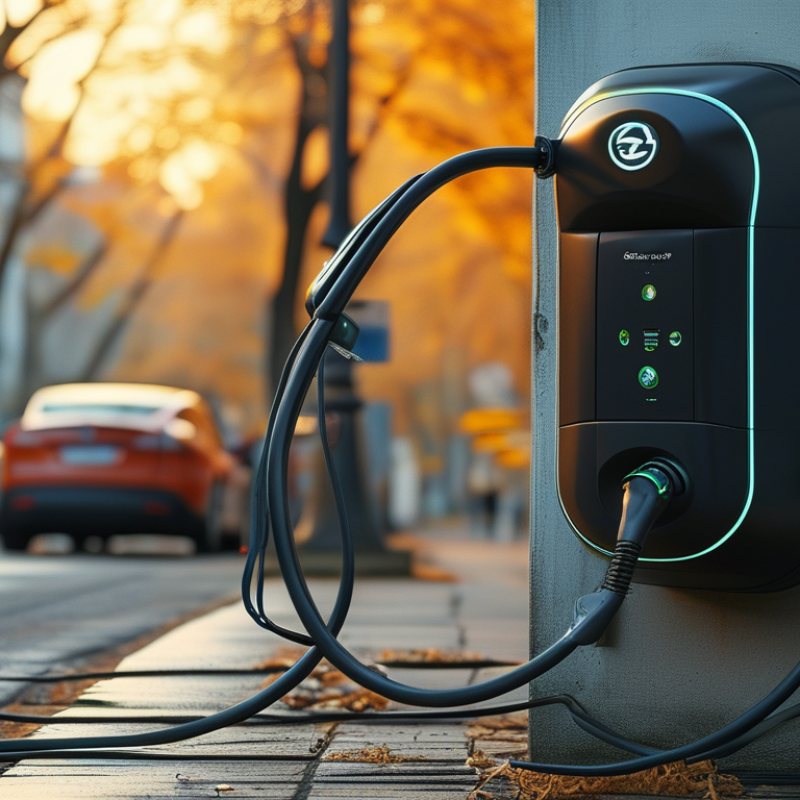
Top 10 Reasons Why Is My EV Wallbox Charging Slow?

Understanding EV Wallbox Charging Basics

When it comes to electric vehicle (EV) wallbox charging, several factors influence speed. Understanding these basics helps identify potential issues. Charging speed depends on the wallbox's power output. Most home chargers offer 3.7 kW to 22 kW. Choosing the right power level for your needs is crucial.

Another important factor is your EV’s onboard charger capacity. Some vehicles can only handle a limited amount of power. If your wallbox delivers more than the car can accept, charging will still be slow. Additionally, charging efficiency can be affected by the temperature. Extreme heat or cold can reduce charging performance.

Electrical infrastructure plays a role too. Check the wiring in your home. Older or low-quality wiring may not support optimal charging speeds. Sometimes, you might encounter poor connections, which can slow the charging process significantly. Reflecting on these points can lead to better charging experiences, allowing you to maximize your EV's potential.

Identifying Common Causes of Slow Charging

Slow charging of your EV wallbox can be frustrating. Identifying the root causes is essential. One common issue is the power supply. If your home’s electrical system is outdated, it may not provide sufficient voltage or amperage. This can lead to significantly slower charging speeds. An inspection by a qualified electrician can reveal any potential upgrades needed.

The wallbox itself may also be a factor. Not all chargers are created equal. Some models may have slower charging rates compared to others. Ensure your model supports the charging speed you require. Additionally, the cable used for charging can impact performance. A damaged or incompatible cable may lead to reduced efficiency. Inspecting the cable for wear and ensuring compatibility is vital.

Another often-overlooked factor is ambient temperature. Extreme heat or cold can affect charging efficiency. If the temperature is too low, the battery management system may restrict charging speed. Understanding these variables can help pinpoint the issue. Overall, it’s important to regularly evaluate and maintain your charging setup for optimal performance.

Evaluating Electrical Supply and Circuit Limitations

When evaluating why your EV wallbox is charging slowly, it’s essential to look at the electrical supply and circuit limitations. Many homes may not have the infrastructure to support rapid EV charging. According to a report by the U.S. Department of Energy, about 45% of residential electrical systems are outdated. This can lead to insufficient power being transmitted.

The capacity of your home’s circuit impacts charging speed. Most standard wall outlets supply around 120 volts, which is far less than the 240 volts that many EV wallboxes require for optimal performance. If your circuit is only rated for 15 amps, it could limit the charging to just 1.8 kW per hour. This means significant downtime for your vehicle, and not everyone is aware of their home’s electrical capabilities.

Additionally, voltage drops can occur due to long runs of wiring or poor connections. These drops can diminish the power reaching your wallbox. Research shows that even a small drop in voltage can lead to extended charging times. Assessing and upgrading your system may be necessary, but it requires careful planning and investment, forcing many to reconsider their current setups.

Top 10 Reasons Why Is My EV Wallbox Charging Slow?

Reason Description Possible Solutions
Insufficient Electrical Supply The electrical supply may not be enough to support faster charging. Upgrade the electrical capacity at your home.
Circuit Limitations Circuit breakers may limit the current flow for safety. Consult with an electrician to assess and possibly upgrade the circuit.
Low Quality Wallbox Some wallboxes are not designed for high-speed charging. Research and invest in a high-quality EV wallbox.
Distance from Power Source Long distances can lead to voltage drop, reducing charging efficiency. Consider relocating the wallbox closer to the power panel.
Home Wiring Conditions Old or damaged wiring can impede charging performance. Inspect and upgrade wiring as necessary.
Temperature Conditions Extreme temperatures can affect charging rates. Park in a climate-controlled space when possible.
Software Issues Firmware or software glitches in the wallbox can slow charging. Check for updates and reset the wallbox as needed.
Vehicle Compatibility Not all EVs are compatible with every charger type. Ensure compatibility between vehicle and wallbox.
Charging Schedule Charging during peak hours can limit speed due to demand. Charge during off-peak hours for better rates.
Power Management Settings Some wallboxes have settings that limit charging speed. Review and adjust charging settings in the wallbox app.

Assessing EV Compatibility with Wallbox Specifications

When dealing with slow charging from your EV wallbox, it's crucial to assess your vehicle's compatibility with specific wallbox specifications. Each electric vehicle (EV) has unique charging requirements. Factors like the battery capacity and the onboard charger power significantly influence charging speed. For example, if your EV comes equipped with a lower power onboard charger, it won't charge as quickly as a model with a higher capacity.

Consider the type of wallbox you are using. Some wallboxes have power limits that might not match your EV’s needs. Checking the kilowatt (kW) output is essential. If the wallbox provides less power than what your EV requires, you will experience slower charging times, even if the wallbox is perfectly functional. It's a common oversight but worth noting.

Another factor to ponder is the installation location. Is the wallbox placed in a shaded area? Environmental conditions can affect performance. Cold weather can slow down charging processes as batteries are less efficient in low temperatures. Analyzing all these details can help you identify potential issues with your charging setup. Take time to reflect on these elements, ensuring your wallbox is indeed the right fit for your EV.

Top 10 Reasons Why Is My EV Wallbox Charging Slow?

Maintenance Tips to Improve Charging Efficiency

When experiencing slow charging from your EV wallbox, regular maintenance can significantly enhance efficiency. A 2022 report from the International Energy Agency noted that improper maintenance could reduce charging speeds by up to 30%. Ensuring connections are tight and free from corrosion is vital. Regularly inspect cables and connectors for wear and tear.

Consider the environmental factors, too. Charging in extreme temperatures can slow the process. A 2023 study from the Journal of Electric Vehicle Technology revealed that charging times could double in very cold conditions. Using insulated covers for your wallbox may mitigate temperature impacts. Clean dust and debris regularly to ensure optimal airflow around the unit.

Implement best practices for charging schedules. Avoid peak hours to take advantage of potentially lower charging speeds. Set reminders for routine checks every few months. Keeping firmware updated also ensures your wallbox utilizes the latest efficiency optimizations. Neglecting these aspects might waste time and energy without yielding any improvements.

FAQS

: Why is my EV wallbox charging slowly?

: Check your electrical supply and circuit limitations. Outdated systems may not support fast charging.

What is the impact of circuit capacity on charging speed?

Circuit capacity matters. Standard outlets offer 120 volts, while many wallboxes need 240 volts for optimal charging.

Can voltage drops affect my charging time?

Yes, voltage drops impact power delivery. Even minor drops can lead to longer charging times.

How does my EV's onboard charger affect charging speed?

The onboard charger's power capacity matters. A lower capacity means slower charging rates compared to higher-powered models.

What wallbox specifications should I consider?

Check the kilowatt output of your wallbox. A mismatch with your EV's needs results in slower charging.

How can installation location affect charging performance?

Temperature and exposure matter. Charging in shaded or cold areas can slow down efficiency significantly.

What maintenance tasks can improve charging efficiency?

Regularly inspect connections and cables. Ensure they are tight and free from corrosion for better performance.

How do environmental factors influence charging times?

Extreme temperatures can slow charging. Insulated covers may help mitigate these effects during harsh conditions.

What are best practices for charging schedules?

Avoid peak hours to enhance efficiency. Routine checks every few months can help maintain optimal performance.

What happens if I neglect maintenance on my wallbox?

Neglecting maintenance may waste time and energy. Charging speeds could reduce significantly without proper care.

Conclusion

Understanding the factors that contribute to slow charging is essential for EV owners who often wonder, "why is my EV wallbox charging slower than expected?" In the article, we delve into the basics of EV wallbox charging, exploring how various elements can affect charging speed.

Common causes of slow charging can range from inadequate electrical supply and circuit limitations to compatibility issues between the EV and the wallbox specifications. Additionally, regular maintenance and monitoring can play a crucial role in enhancing charging efficiency. By identifying these factors and taking proactive measures, EV owners can mitigate slow charging issues and ensure a more effective charging experience.

Amelia

Amelia

Amelia is a seasoned marketing professional with a wealth of expertise in our company’s core offerings. With an unwavering passion for driving growth and innovation, she plays a pivotal role in shaping our marketing strategies and enhancing brand visibility. A key aspect of her responsibilities......