Setting up RFID cards for shared electric vehicle (EV) chargers is becoming vital in the growing electrification of transportation. According to a recent report by the International Energy Agency, the number of EVs on the road has surged to over 10 million, highlighting the need for effective charging solutions. As urban areas adopt shared EV chargers, RFID technology offers a seamless way to manage access and billing.
Expert in EV infrastructure, Dr. Jane Slater, emphasizes the significance of this transition: “Implementing RFID systems is crucial for optimizing shared charger networks.” This method provides users with easy access while reducing operational complexities. However, the setup process can be intricate, requiring careful planning and execution. Issues such as compatibility with existing systems and user privacy must not be overlooked.
Furthermore, the integration of RFID technology in public charging stations is still in its early stages. Many operators face challenges in standardizing protocols. It's essential to check current guidelines and integrate best practices from established networks. As the EV market evolves, an efficient RFID system for shared chargers can significantly impact the growth of sustainable mobility.
Understanding RFID Technology for EV Chargers
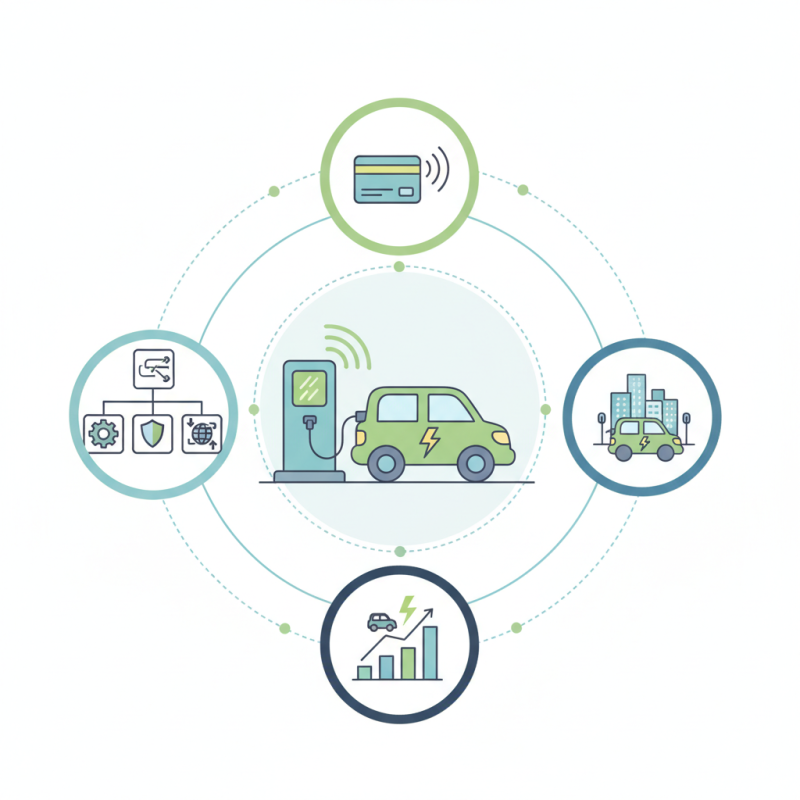
RFID technology streamlines access to shared electric vehicle (EV) chargers. It enhances user convenience and improves charging efficiency. Understanding how this technology works is crucial for effective implementation.
RFID tags are small, inexpensive, and provide fast identification. By 2025, the global RFID market is projected to reach approximately $30 billion, illustrating its rapid adoption across various sectors.
When integrating RFID into EV chargers, security is paramount. Unauthorized access to charging stations can lead to losses. Proper encryption methods can ensure data protection. For instance, a study conducted by the RFID Journal indicated that RFID technology improves inventory management by 30%, reflecting its reliability. In the EV context, this could translate into better monitoring of charger usage and availability.
Setting up RFID requires careful planning. Users must be educated about how to utilize RFID cards effectively. A survey by Statista noted that 85% of consumers prefer digital solutions over traditional methods for convenience. However, mismanagement of RFID systems can lead to issues, such as incorrect data capture. Continuous evaluation and user feedback are necessary to refine the process and improve overall user experience.
Steps to Choose the Right RFID Card for Shared Usage
Choosing the right RFID card for shared EV chargers requires careful consideration. Begin by assessing the charging network's compatibility. Various EV chargers use different technologies, and the RFID card must align with these systems to ensure seamless operation. This means checking the reader specifications and understanding how data is transmitted during the charging process.
Next, think about the usage environment. For shared settings, durability is crucial. The cards should withstand daily wear and tear, including exposure to weather elements. Additionally, consider how many users will share the chargers. The selected RFID card should have enough memory to handle multiple user data efficiently.
Lastly, security cannot be overlooked. Some RFID cards offer advanced features like encryption, which protects user information. It's important to weigh the benefits of additional security against costs. For shared usage, a balance between affordability and reliability is essential. Reflecting on your needs can help clarify the right choice for your environment.
Coordinating with EV Charging Networks for Compatibility
Setting up RFID cards for shared electric vehicle (EV) chargers can be a straightforward process, but compatibility with existing EV charging networks is crucial. Understanding how different networks work is essential. Each charging network may have unique protocols for RFID integration. This can cause confusion and inefficiencies if not coordinated properly.
Tips: When choosing an RFID system, ensure it supports multiple charging networks. This will enhance compatibility and user experience. Explore systems that offer flexibility in user management and data tracking.
Establishing clear communication with charging network operators is necessary. Regular meetings can help address any concerns and share updates. Coordination will ensure that all users have seamless access to charging stations.
Tips: Keep records of all communications with network providers. This can help track changes and requirements over time. Additionally, consider testing the RFID setup in different scenarios. Doing so will help identify any potential flaws before wide implementation.
Implementing Secure Access Control with RFID Systems
Implementing secure access control for shared electric vehicle (EV) chargers is crucial. RFID systems offer an effective solution. These systems use radio frequency identification to grant access only to authorized users. They ensure that only registered cards operate the charging stations. This enhances safety and reduces unauthorized usage.
Setting up an RFID system involves several steps. First, you need to choose the right type of RFID cards and readers. A balance between cost-effectiveness and performance is essential. Next, configure the software to manage access rights. This process can be tricky; incorrect settings may allow unauthorized access or block legitimate users. Regular testing is essential to ensure functionality.
User training is another step that requires attention. Users must understand how to use their RFID cards properly. A small misunderstanding can lead to frustration, like cards not working as expected. It’s important to gather user feedback. Their insights can highlight issues that may need addressing, making the system more user-friendly. Challenges will arise, but continuous improvement should be the goal.
RFID Card Utilization for Shared EV Chargers
Monitoring and Managing RFID Access Data for Efficiency
Monitoring and managing RFID access data for shared EV chargers is crucial for enhancing efficiency. RFID technology helps streamline the charging process for multiple users. With proper monitoring, you can track who accesses the chargers and when. Not all systems are foolproof, so you may encounter inaccuracies. Regular audits of data can reveal discrepancies and areas needing improvement.
Consider using a centralized system for logging access data. This allows for easy analysis and reporting. By studying usage patterns, charging solutions can be optimized. Ensure you have backup procedures in place. This can help mitigate data loss or corruption. Occasionally, data overload can occur, leading to slower responses or errors in access logs.
Effective management of RFID data requires a proactive approach. Regularly reviewing access patterns can reveal user preferences. This insight can drive decisions about charger locations and availability. However, there's a learning curve. It’s essential to iterate on your approach based on feedback and performance metrics. The continuous improvement process ensures you adapt to emerging challenges in managing shared EV chargers.
How to Set Up RFID Cards for Shared EV Chargers? - Monitoring and Managing RFID Access Data for Efficiency
| RFID Card ID |
User Name |
Access Time |
Charger Location |
Charging Duration (hrs) |
Energy Consumed (kWh) |
| 001A |
John Doe |
2023-10-01 08:00 |
Downtown Station |
2 |
10 |
| 002B |
Jane Smith |
2023-10-01 09:30 |
City Park |
1.5 |
7.5 |
| 003C |
Alice Johnson |
2023-10-01 11:00 |
Central Square |
2.5 |
12.5 |
| 004D |
Bob Brown |
2023-10-01 14:15 |
North End |
1 |
5 |
Conclusion
Setting up RFID cards for a shared EV charger involves understanding the underlying technology and selecting the appropriate RFID card for multiple users. It is essential to consider compatibility with existing EV charging networks to ensure seamless integration. The process includes implementing secure access controls to protect user data and optimize charging sessions.
Additionally, monitoring and managing access data is crucial for maintaining efficiency within the charging network. By following these guidelines on how to set up RFID cards for a shared EV charger, operators can provide an effective and user-friendly charging experience that enhances accessibility for all users while maintaining security and operational integrity.

 Midwest Charger