Electric vehicles (EVs) are becoming increasingly popular, revolutionizing the way we think about transportation. However, many users often find themselves asking, "why is my EV wallbox charging slower than expected?" This question highlights a common frustration among new and seasoned EV owners alike. Understanding the reasons behind slower charging speeds is crucial for optimizing your EV experience.
Several factors can influence charging performance, including the design of your wallbox, the type of EV you own, and even your home’s electrical system. Users may overlook simple elements, such as the condition of the charging cable or the availability of sufficient power supply. Sometimes, the wallbox settings may not align with your vehicle’s requirements. Each detail matters in the charging process.
Identifying the root causes of slow charging can enhance your EV’s efficiency. It's essential to explore these aspects and reflect on how they affect your specific situation. By analyzing these factors, you can take informed steps to improve charging rates, ultimately enjoying a more seamless EV ownership experience.
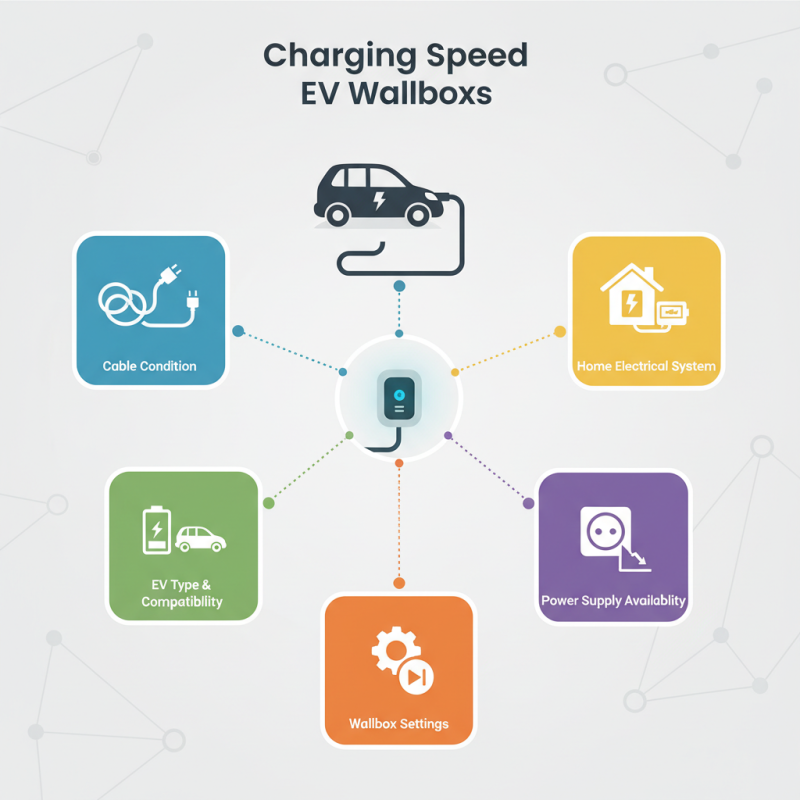
Common Factors Affecting EV Wallbox Charging Speed
Charging speeds for EV wallboxes can often disappoint users. Several factors contribute to this issue. One significant reason is the
electrical capacity of your home. Most residential systems provide either 60 or 100 amps.
According to the U.S. Department of Energy, this limited capacity may hinder optimal charging speeds, as higher amperage is required for faster charging.
Another key element is the state of the charging cable. Wear and tear can impact conductivity. If the cable is damaged or aged, it may not transmit power effectively.
Reports show that using a damaged cable can reduce charging efficiency by up to 30%.
Additionally, the connection to the power source plays a crucial role. Loose or corroded connections can further impair charging times, leading to unexpected delays.
Lastly, the software and firmware of the wallbox matter. Regular updates ensure that the charging unit operates efficiently and meets industry standards.
Outdated software might fail to optimize the charging process. In fact, staying updated can enhance charging speeds by
10-15%, according to industry analysis. Understanding these factors can help users pinpoint issues with unexpected slow charging.
Understanding the Impact of Electrical Supply on Charging Performance
When it comes to electric vehicle (EV) charging, understanding the impact of electrical supply is crucial. Many EV owners find their wallbox chargers performing slower than expected. Studies show that nearly 30% of EV users report charging experiences below their expectations. Inconsistent electrical supply contributes significantly to these frustrations.
Electrical supply quality can vary greatly. Voltage fluctuations can cause the charging speed to drop. For instance, a standard residential socket may provide inconsistent voltage levels, impacting charging performance. A report from the National Renewable Energy Laboratory indicates that charging efficiency can be reduced by up to 20% if the voltage drops below optimal levels. Additionally, wiring issues within homes can also slow down the charging process, making it essential to ensure everything is in good working condition.
Furthermore, the overall electrical capacity of your home plays a vital role. Many homes feature older wiring and circuits designed for lower energy demands. Upgrading these systems can improve charging speed significantly. However, only 40% of homeowners consider their electrical infrastructure when installing a wallbox charger. This oversight can lead to unexpected delays in charging time, impacting the user experience. A proactive approach to evaluating your electrical supply will help mitigate these charging issues.
Top 5 Reasons Your EV Wallbox Charging Slower Than Expected? - Understanding the Impact of Electrical Supply on Charging Performance
| Reason |
Description |
Impact Level |
Possible Solutions |
| Insufficient Electrical Supply |
The wallbox requires more power than the circuit can provide. |
High |
Upgrade electrical supply or circuit breaker. |
| Long Cable Length |
Long distances can cause voltage drops. |
Medium |
Use shorter cables or thicker gauge wire. |
| Incorrect Charger Settings |
Settings may be configured for lower charging rates. |
Medium |
Check and adjust settings accordingly. |
| Temperature Effects |
Extreme temperatures can affect charging speed. |
Medium |
Try to charge in moderate temperatures. |
| Faulty Equipment |
Malfunctioning wallbox or EV can slow down charging. |
High |
Inspect and replace faulty equipment as needed. |
Identifying Compatibility Issues Between EVs and Charging Equipment
When it comes to EV wallbox charging, compatibility issues often lead to slower-than-expected performance. A study from the International Energy Agency reported that nearly 25% of EV owners face such challenges. This is largely due to the mismatch between the EV and the charging equipment.
Charging speed can significantly vary based on the vehicle's onboard charger capacity. For instance, many EVs are equipped with chargers that only support Level 2 charging. If the wallbox is designed for Level 3, users may not see the enhanced benefits. Additionally, plug compatibility is crucial. The Society of Automotive Engineers has established various connector standards, and not all EVs comply with the same ones.
Another key factor is the electrical supply at the installation site. Insufficient wattage can limit the charging speed. Many users do not realize that local electrical infrastructure plays a critical role. If the wallbox is not receiving adequate power, it cannot deliver optimal charge rates. This illustrates a need for further understanding of one’s local grid capabilities. Recognizing compatibility issues can help users make informed decisions about their charging solutions.
Assessing the Influence of Environmental Conditions on Charging Rates
When assessing why your EV wallbox charges slower than expected, environmental conditions play a crucial role. Factors like temperature, humidity, and even altitude can significantly impact charging rates. For instance, extreme cold can reduce battery efficiency, causing longer charge times. Conversely, very high temperatures can lead to overheating, prompting the charger to reduce power output for safety.
In areas with high humidity, moisture can affect electrical connections. This can create resistance, which slows down charging. Ensuring a clean and dry charging environment is essential for optimal performance. A simple check can spare you from unexpected delays.
Tip: Monitor weather conditions before charging. Charging in ideal temperatures can enhance efficiency.
Tip: Regularly inspect the charging unit for dirt or moisture. A clean socket promotes better connection.
Reflecting on the influence of these conditions helps improve understanding. Many overlook the impact of their surroundings. Awareness can lead to better charging practices and reduce frustration.
Exploring Maintenance and Installation Factors that Slow Down Charging
When it comes to charging your electric vehicle (EV), the installation of the wallbox is crucial. Improper wiring can lead to slower charging speeds. Ensure that your circuit is compatible with the wallbox specifications. An inadequate circuit may not provide enough power, leading to frustratingly slow charging times. Check your home’s electrical panel for capacity. If necessary, consult a professional electrician.
Maintenance plays a vital role, too. Dust and debris can accumulate in connectors, causing resistance and lower charging efficiency. Regular cleaning and inspection can help maintain optimal performance. Additionally, outdated software in your charging unit may also hinder charging speed. Always keep your charging equipment updated for the best results.
Tips:
- Inspect your wallbox regularly. This can prevent issues before they arise.
- Consider the ambient temperature during charging. Extreme weather can impact efficiency.
- Use a home energy monitor to track usage. This helps identify any unexpected slowdowns.
Conclusion
When users find themselves asking, "why is my EV wallbox charging slower than expected," several common factors might be at play. Firstly, the electrical supply plays a crucial role in charging performance—if the voltage or amperage fluctuates, it can significantly delay the charging process. Additionally, compatibility issues between the electric vehicle and the charging equipment can create inefficiencies, hindering optimal performance.
Environmental conditions also impact charging rates; extreme temperatures can affect battery chemistry and charging speed. Furthermore, maintenance and installation factors such as outdated wiring or improper setup can exacerbate charging slowdowns. By understanding these elements, EV owners can troubleshoot and improve their charging experience, ensuring their wallbox operates at its full potential.

 Midwest Charger