As winter's chill sets in, electric vehicle (EV) owners face a crucial question: how to protect an EV charger from extreme winter cold? According to industry expert and EV consultant Sarah Johnson, “Preparing your EV charger for winter is essential to ensure safety and functionality.” Ensuring optimal performance of your charger involves understanding the potential damage caused by freezing temperatures.
Cold weather can lead to several challenges for EV chargers. Ice formation may restrict access, and battery performance often decreases in cold conditions. Without proper protection, chargers may suffer from moisture buildup or even electrical failure. Adapting to these risks requires practical solutions that may not be widely recognized.
The key to safeguarding your EV charger lies in implementing practical measures. Insulating covers or enclosures can be effective barriers against snow and ice. Regular maintenance checks are also vital. While many EV owners overlook winter preparedness, a little forethought can save time and money. By truly grasping how to protect an EV charger from extreme winter cold, owners can ensure their EV experience remains hassle-free.
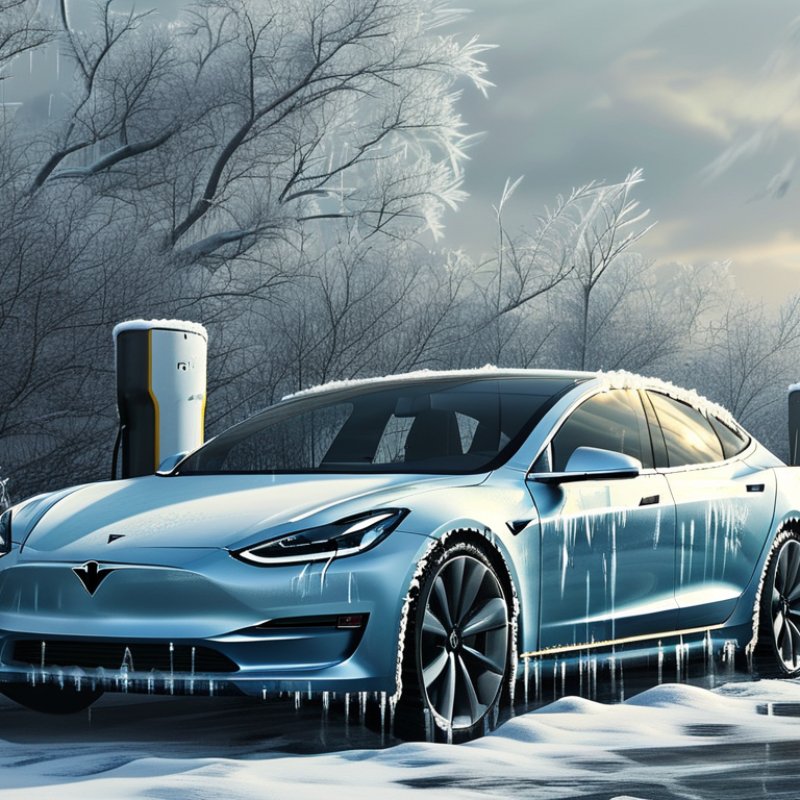
Extreme cold can severely impact the performance and longevity of EV chargers. When temperatures drop, components can contract, causing electrical failures. Plastic parts may become brittle and brittle. Additionally, charging efficiency can decrease, leading to longer charging times.
To protect your charger, consider insulation. Wrapping the unit in weather-resistant materials can prevent cold damage. Using a heated enclosure is another option to keep chargers operational. Regular maintenance is important too. Inspect connections and components for signs of wear. Cold can exacerbate issues that might go unnoticed in warmer weather.
Remember that not all chargers are built equally. Some may fare better in cold climates. Choosing the right location is essential. Avoid placing chargers in shaded areas where they might freeze longer. Understanding these risks allows for better preparation. Being aware can save time and money on repairs.
Choosing the right location for your EV charger installation is crucial for optimal performance. In extreme winter cold, temperatures can drop dramatically. A recent report by the Department of Energy indicates that charging efficiency can drop by up to 30% when temperatures fall below 32°F (0°C). This reduction affects charging times and battery life, making placement vital.
Position your charger in a sheltered area, away from wind and direct exposure to snow. Ideally, place it in a garage or covered carport. Research shows that vehicles parked in sheltered locations experience fewer battery performance issues in cold weather. Ensure access to a reliable power source, and avoid locations where snow accumulation could obstruct the charger.
While convenience is important, consider potential challenges. An outdoor charger may require extra weatherproofing measures. Additionally, accessibility can be a concern if snow removal is not consistently managed. Be attentive to these factors during installation. A well-placed charger enhances usability and longevity in harsh conditions. Always check local regulations and consult with professionals to ensure compliance and safe installation.
Extreme winter conditions can be harsh on electric vehicle (EV) chargers. Insulating your charger is essential to prevent temperature damage. First, choose a suitable insulating material like foam or fiberglass. These materials trap heat and protect against chilling winds. Ensure your charger is covered to minimize exposure to harsh elements.
When insulating, pay attention to the installation. Sealing gaps and seams is crucial. Even small openings can lead to significant heat loss. Check your work periodically. Over time, insulations might wear out or degrade. Don't ignore signs of damage.
Consider adding a weatherproof cover to complement the insulation. Covers provide an additional barrier against snow and ice. They also prevent moisture buildup, which can harm the charger. While insulation is helpful, remember that consistent maintenance is vital for optimal performance.
Extreme winter weather can greatly affect your electric vehicle (EV) charger. Snow and ice can lead to malfunctions. To safeguard your charger, implementing a temperature monitoring system is essential.
Having a real-time temperature monitoring system ensures you stay aware of conditions surrounding your charger. These systems can alert you if temperatures drop too low. They can also provide information about humidity levels, which is crucial for preventing freezing. You might find it beneficial to place sensors near the charger and in the surrounding environment. This way, you can receive updates directly to your phone.
Occasionally, issues may arise with monitoring systems. Connectivity problems can lead to missed alerts. It’s vital to regularly check the system and test alerts. Consider using a backup system or visual indicators. Reflection on these challenges can lead to better preparedness in future winters. Remember, proactive measures save time and money later.
As winter approaches, ensuring your EV charger is ready for extreme cold weather is crucial.
Regular maintenance can significantly enhance the longevity and performance of your charging unit.
According to the U.S. Department of Energy, EV batteries can lose up to 40% of their capacity in freezing temperatures.
This drop in efficiency means that your charger should be in optimal condition to handle the extra load.
Check connections regularly. Loose or corroded connections can lead to inefficient charging, especially when temperatures plummet.
Ensure that all exposed parts are covered to protect against moisture and ice. Using protective covers specifically designed for charging stations can help minimize damage.
Industry reports indicate that maintenance routines can prevent up to 75% of potential failures during adverse weather.
Consider investing in a dedicated outlet with a GFCI breaker for safety.
Confirming that your charger is properly grounded can mitigate risks associated with power surges in winter storms.
Remember, even slight neglect can lead to significant issues down the line.
By staying vigilant with these practices, you can safeguard your EV charger from winter’s unforgiving elements.
: Extreme cold can cause electrical failures. Components may contract, affecting performance and longevity.
Insulation prevents cold damage. It traps heat and protects against harsh winds.
Foam or fiberglass are effective insulating materials. They help maintain warmth around the charger.
Position your charger in a sheltered area. Avoid locations exposed to wind and snow.
Regularly inspect connections and components. Cold can worsen issues unnoticed in warmer times.
The right location minimizes performance issues. It also impacts charging times and battery life.
Add a weatherproof cover to reduce moisture buildup. This reduces potential damage from snow and ice.
Worn insulation can lead to significant heat loss. Regular checks are essential for optimal performance.
Outdoor chargers need extra weatherproofing. Accessibility may also be limited if snow is not removed.
Inspect your charger periodically for signs of wear. Regular maintenance is crucial for reliable performance.
As winter approaches, it's essential to understand how to protect an EV charger from extreme winter cold. First, identifying the risks posed by low temperatures on EV chargers is crucial, as this can lead to malfunctions or damage. Choosing the right installation location, protected from harsh weather, can significantly reduce exposure to frigid conditions. Additionally, insulating the charger can prevent temperature-related damage and ensure optimal performance.
Implementing temperature monitoring systems allows users to keep track of the charger's condition in real-time, providing an early warning for potential issues. Moreover, regular maintenance tips, such as checking connections and ensuring proper insulation, can help prepare the charger for winter months. By following these strategies, EV owners can effectively safeguard their chargers against the harshness of extreme cold.

Midwest Charger