China Top EV Chargers How to Protect Them in Extreme Cold?

Time:2026-11-09 Author:Liam
0%

China’s EV charging network faces a practical winter test: cold can stiffen charging cables, slow screen response, and leave connectors exposed to snow or ice. The scale matters. The International Energy Agency reported that China accounted for nearly 60% of global electric car sales in 2023. More vehicles mean more chargers working through harsh weather.

Cold-weather performance needs careful interpretation. AAA’s 2019 vehicle tests found that around 20°F (-7°C), cold conditions and cabin heating reduced EV driving range by an average of 41%. That figure describes vehicle range, not charger failure. Still, it shows why winter charging habits and equipment protection deserve attention. A charger’s operating-temperature range and ingress-protection rating are more useful than a “winter-proof” label alone.

Small details count. Ice around a connector can make handling awkward, while a cable dragged through slush may carry moisture back to its holster. Keep connectors off the ground, clear snow without forcing frozen parts, and follow the manufacturer’s temperature limits. Never improvise a cover that traps heat or blocks ventilation. There is no single fix. Site exposure, installation quality, and maintenance all matter, and even good advice can miss local conditions. This guide explores how to protect an ev charger from extreme winter cold, with practical steps for home and commercial charging sites in China.
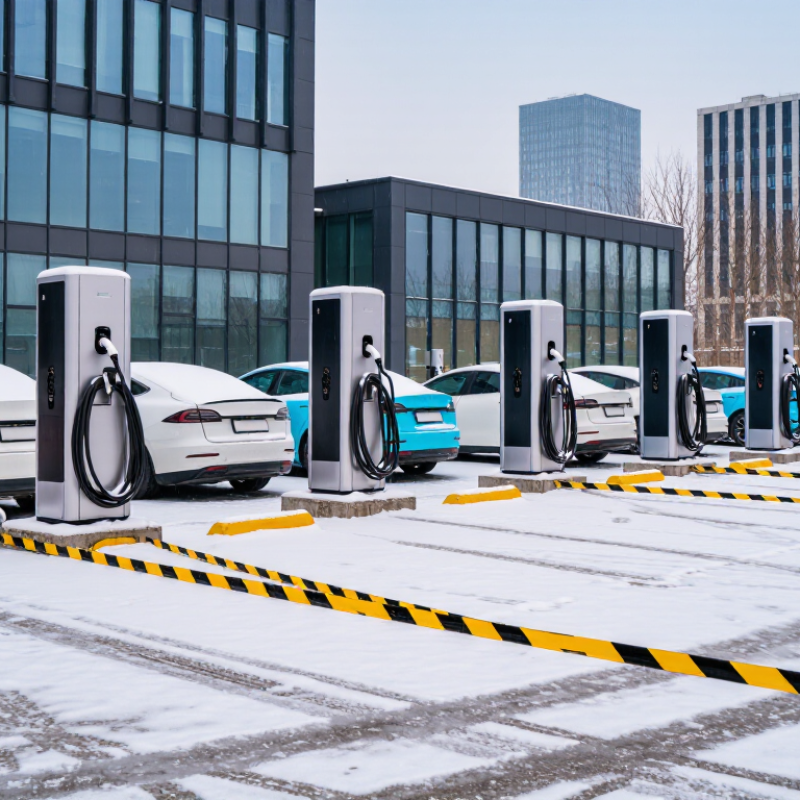
China Top EV Chargers How to Protect Them in Extreme Cold?

How Extreme Cold Affects EV Chargers in China

China’s charging network is highly exposed to seasonal extremes: the IEA’s Global EV Outlook 2024 estimates that China held about 70% of the world’s public charging points in 2023. Yet cold does not affect every part of a charging session equally. The vehicle’s battery management system may reduce charging power until the battery warms. A charger can appear normal while the car accepts less energy.

AAA’s 2019 cold-weather testing found that electric-car range fell by an average of 41% at 20°F (-6.7°C) when cabin heating was used. That result measures vehicle range, not charger performance, so it should not be presented as a charger failure rate. Still, it shows why winter sessions can feel unexpectedly slow. Watch the power shown on the vehicle or charger, not just the illuminated screen.

The equipment has its own vulnerabilities. Ice around a connector can prevent a secure fit, while a stiff cable is harder to handle; damaged seals may also let moisture reach electrical parts. Keep connectors off wet ground, check for cracks, and avoid forcing a frozen plug. Small habits matter. I would not assume every unit behaves alike: operating limits depend on its rated temperature range, installation, and maintenance. A sheltered charger and a wind-exposed roadside unit may face very different conditions.

How to Choose a Charger Rated for Low Temperatures

Choosing an EV charger for winter starts with its full operating-temperature range, not a headline claim. Check the technical datasheet for the minimum temperature during charging and standby. A unit rated to -30°C may still need a separate temperature limit for its cable or screen. Those details matter on a frosty driveway.

Look beyond the charger enclosure. Ask whether the charging cable stays flexible at the temperatures you expect, and whether the connector can be stored without dragging through snow or slush. Cold plastic can stiffen. Also check the stated ingress-protection rating, but do not treat it as proof of freeze resistance; water protection and low-temperature performance are different tests. For outdoor installation, confirm that mounting instructions allow for wind exposure and that ventilation openings will not be blocked by snow. A covered location can help, though it cannot replace a suitable temperature rating.

Compare the product’s specified range with local winter lows, leaving a practical margin rather than choosing a unit that barely meets the forecast. If the datasheet is vague, ask the supplier for written clarification on charging performance, cable limits, and warranty conditions in cold weather. A rating is useful, not a guarantee of identical performance in every installation. That distinction is easy to overlook.

China Top EV Chargers: How to Protect Them in Extreme Cold — How to Choose a Charger Rated for Low Temperatures

Temperature conversion reference for comparing charger operating specifications with local winter conditions.

Conversions use °F = (°C × 9/5) + 32. Before installation, check the charger’s stated operating-temperature range and confirm it covers the lowest expected ambient temperature. For cold-weather protection, also review guidance for cable flexibility, enclosure sealing, condensation, and cold-start operation. Temperature ratings vary by product.

Where and How to Install Chargers for Winter Protection

Install the charger on a sheltered wall close to the usual parking spot, ideally beneath a roof overhang or open-sided carport. Avoid windward corners, low walls exposed to snowbanks, and places where roof runoff can freeze around the connector. A canopy helps, but do not box the unit into a sealed enclosure. Keep its ventilation openings clear.

AAA’s 2019 cold-weather vehicle testing found that at 20°F, using the cabin heater reduced driving range by an average of 41%. That does not mean the charger itself loses the same amount of performance, but it can mean more frequent or longer charging sessions.

The U.S. Department of Energy’s Alternative Fuels Data Center reports that Level 2 charging typically adds about 10–20 miles of range per hour. Position the unit so the cable reaches the inlet without lying across a walkway or sitting in slush. Small details matter.

Mount the charger according to its installation instructions and keep it above likely snow and splash levels. Have a qualified electrician check the circuit, weather rating, and local requirements before installation. I would not assume an overhang alone provides enough protection: blowing snow can still reach a wall-mounted unit. Keep it accessible. Clear snow by hand, and inspect the cable and connector for ice before use.

How to Operate and Maintain Chargers in Freezing Weather

Freezing weather changes both the vehicle’s battery behavior and the charger’s working conditions. AAA’s 2019 cold-weather testing found that an electric vehicle’s driving range fell by about 41% at 20°F (-7°C) when cabin heating was used. This is not a charger-performance figure, but it shows why cold batteries and longer charging sessions deserve attention. Check the charger’s specified operating-temperature range before winter, and arrange inspection if its screen, housing, or cable shows damage.

Tips: Clear snow from the charger vents and connector before use. Keep the plug off wet ground, and never force a stiff cable into position. If the vehicle supports battery preconditioning, activate it before charging; a warmer battery may accept energy more readily. After charging, replace the connector cap and check for ice or moisture. Don’t pour hot water on frozen parts.

For routine care, look for cracked insulation, loose mounting, unusual heat, or repeated charging faults. Stop using damaged equipment and have a qualified technician inspect it. Follow the charger’s manual for cold-weather limits; an outdoor rating does not mean every cable stays flexible in deep cold. One easy-to-miss detail: clearing snow around the unit helps keep access safe, but blocked airflow can also affect equipment. Check the area after heavy snowfall.

How to Check for Damage After a Cold Snap

After a Cold Snap: Checking an EV Charger for Damage

Wait until the area is dry and safe before inspecting your charger. If you can isolate its power using the normal procedure in the unit’s instructions, do so. Never open the enclosure or touch exposed wiring. Look closely at the casing, screen, cable, and connector. Check for cracks, loose parts, frost damage, or water droplets beneath a cover. Small details matter.

Run your fingers along the unplugged cable only if it is dry and disconnected. Watch for stiff sections, splits, flattened spots, or insulation that feels unusually brittle. Inspect the connector for bent pins, dark marks, debris, or moisture. Check that the wall mount has not shifted and that nearby seals remain seated. A charger can look fine outside and still have an internal fault, so appearance alone is not proof.

If you see damage, smell burning, or notice an error message, do not charge. Contact a qualified electrician or the charger’s service provider for assessment. If everything appears normal, reconnect it according to its instructions and watch the first charging session from a safe distance. Stop if the unit makes unusual sounds, heats excessively, or repeatedly interrupts charging. Cold weather can expose weak points, and I would not dismiss a small crack just because charging still works.

FAQS

Where should an outdoor charger be installed for winter?

Mount it on a sheltered wall near the usual parking spot. A roof overhang or open-sided carport can help.

Which locations should be avoided?

Avoid windward corners, snowbank edges, and spots beneath icy roof runoff. Blowing snow can still reach a sheltered wall.

How high should the charger be mounted?

Keep it above likely snow and splash levels. Follow the installation instructions and have a qualified electrician check the circuit and weather rating.

How should the cable be positioned?

Make sure it reaches the vehicle without crossing a walkway or resting in slush. Small details matter.

Does cold weather reduce charger performance by 41%?

No. Cold-weather testing found that cabin heating reduced driving range by about 41% at 20°F. That figure describes vehicle range, not charger performance.

How much range can Level 2 charging add?

It typically adds about 10–20 miles per hour of charging. Longer winter sessions may be needed, though each vehicle differs.

What should I check before plugging in during freezing weather?

Clear snow from the vents and connector. Keep the plug off wet ground, and do not force a stiff cable. Check for ice.

How should I care for the charger after use?

Replace the connector cap and check for ice or moisture. Clear snow around the unit, but keep its ventilation openings unobstructed.

What signs mean the charger needs inspection?

Watch for cracked insulation, loose mounting, unusual heat, or repeated faults. Stop using damaged equipment and ask a qualified technician to inspect it.

Can I pour hot water on a frozen connector?

No. Avoid hot water, which may cause damage. I might overlook a thin layer of ice, so inspect the connector closely before use.

Conclusion

Extreme cold can affect EV chargers by reducing cable flexibility, slowing charging performance, and exposing screens, connectors, and internal components to moisture-related damage. Choosing equipment rated for low temperatures is an important first step. Look for clear operating-temperature specifications, weather-resistant construction, and cables designed to remain manageable in freezing conditions. To understand how to protect an ev charger from extreme winter cold, consider its location as well as its specifications: install it in a sheltered, well-drained area, away from drifting snow and standing water, while keeping ventilation and safe access unobstructed.

During freezing weather, keep connectors clean and dry, avoid forcing stiff cables, and follow the charger’s operating instructions. Check for ice, snow, or visible moisture before use, and remove buildup carefully without damaging the equipment. After a cold snap, inspect the housing, cable, plug, display, and mounting points for cracks, looseness, or other signs of damage. If anything appears abnormal, stop using the charger and arrange a qualified inspection before putting it back into service.

Liam

Liam

Liam is a dedicated marketing professional with a profound expertise in the industry, where he excels at highlighting the unique advantages of our core products. With a keen understanding of market trends and consumer needs, Liam frequently updates our company’s professional blog, providing......