When considering "what happens if you leave an EV charger plugged in," it's essential to delve into the intricacies of electric vehicle charging. An industry expert, Dr. Sarah Kim, notes, "Leaving an EV charger in the socket can affect both battery health and energy efficiency." This statement highlights the complexities that drivers face.
Leaving an EV charger plugged in may seem harmless. However, constant connection can lead to potential risks, including overheating. If the charger is of poor quality, it may not regulate power effectively. Regularly plugged-in chargers may also consume "vampire" energy, increasing electric bills. These considerations prompt users to weigh convenience against their vehicle's health.
A critical reflection emerges when evaluating the long-term effects of leaving an EV charger plugged in. Is the convenience truly worth the potential battery degradation? Understanding the nuances will empower EV owners to make informed decisions. Thus, the question persists: what happens if you leave an EV charger plugged in? The answer is complex and necessitates careful examination.
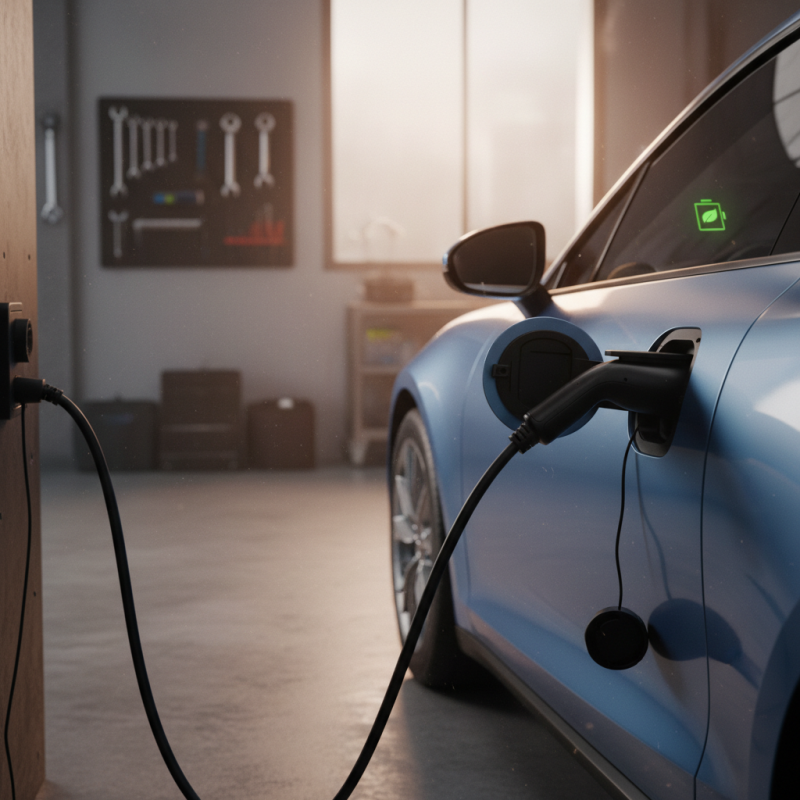
Electric vehicle (EV) chargers are crucial for powering electric cars. Understanding their functions can help users make informed decisions. The vast majority of chargers operate on Level 1 and Level 2 systems. Level 1 chargers use standard household outlets, providing about 5 miles of range per hour. In contrast, Level 2 chargers, common in public settings, supply 10-60 miles per hour depending on amperage. According to a report from the International Energy Agency, the global number of EV chargers reached over 1.3 million in recent years, indicating rapid growth in charging infrastructure.
Leaving an EV charger plugged in can raise questions about safety and efficiency. Many chargers are designed with smart features. They can automatically stop charging once the battery reaches its limit. However, continuous connection may cause unnecessary wear on the charger. Interestingly, some studies show that charging rates may slow down significantly as battery capacity approaches full charge. This means users might not achieve the maximum efficiency they expect. Balancing convenience and battery health requires attention to charging habits.
Despite the advancements in EV charging technology, some uncertainties persist. High-capacity charging stations can heat up, leading to energy loss. Moreover, many homeowners use personal chargers that may not have built-in mechanisms to reduce the charging rate. This could result in inefficient energy usage and potential risks. Reflecting on these aspects can help EV owners optimize their charging practices while minimizing risks associated with overcharging and equipment longevity.
| Aspect | Details |
|---|---|
| Charging Status | An EV charger will stop charging once the battery is full. |
| Battery Health | Leaving the charger plugged in regularly can have minimal impact on battery life. |
| Charger Safety | Most modern chargers are designed to prevent overheating and are safe to leave plugged in. |
| Energy Consumption | Charger plugged in, but not in use, consumes very minimal power. |
| Weather Considerations | Extreme temperatures may affect charging efficiency if left plugged in. |
| Convenience | Leaving the charger plugged in makes it more convenient for next use. |
: Leaving an EV charger plugged in can pose safety risks. Faulty equipment may lead to overheating.
Continuous charging can degrade battery health over time. Charging is optimal between 20% and 80%.
Yes, continuous plugging can increase energy costs. This can add up over time unexpectedly.
Continuous charging can contribute to carbon emissions if powered by fossil fuels. This is often overlooked.
Regular inspections are important. Check for wear and tear to avoid potential hazards.
Using renewable energy sources can help reduce carbon footprints. Many users lack this option, which is unfortunate.
“Trickle charge” mode keeps the battery topped off. While convenient, it can lead to higher electricity bills.
Mindful charging can enhance battery health and reduce both environmental impact and costs. Small adjustments matter.
Charging to 100% frequently can put stress on the battery, shortening its lifespan over time.
Convenience may lead to higher costs and environmental impact. Evaluate the trade-off carefully.
When considering "what happens if you leave an EV charger plugged in," it's important to understand the functionality of EV chargers. While leaving a charger connected may appear convenient, it can have several implications. Continuous charging can lead to potential overheating and safety risks, necessitating vigilance for those who opt to leave their chargers plugged in for extended periods.
Moreover, long-term effects on the EV battery itself are significant; prolonged exposure to a charger may lead to decreased battery life and performance due to constant trickle charging. Environmentally and financially, the consequences can also be felt, as increased energy consumption leads to higher costs and a larger carbon footprint. Therefore, while it may seem harmless to leave an EV charger plugged in, awareness of these factors is crucial for EV owners.

 Midwest Charger