As the demand for electric vehicles (EVs) surges, more homeowners are exploring how to install a home EV charger without a garage. Recent industry reports indicate that EV sales reached 6.6 million units globally in 2021, reflecting a 100% increase compared to the previous year. This trend emphasizes the need for accessible charging solutions beyond traditional garage settings. A significant percentage of households, especially in urban areas, lack that luxury. Therefore, innovative installations are essential.
Installing an EV charger at home can enhance convenience and save time. For many, the lack of a garage presents challenges, yet it is not insurmountable. Outdoor installations, wall-mounted units, and portable chargers serve as viable alternatives. Choosing the right location is critical; it should be easily accessible and minimize the risk of vandalism or damage. Additionally, issues like weather exposure must be considered.
While the process may seem straightforward, potential complications can arise, such as electrical system compatibility. It's vital to consult professionals for assessments. Even with proper planning, navigating local regulations can be complex. Ultimately, knowing how to install a home EV charger without a garage can empower homeowners to adapt to the growing electrification of the automotive industry.
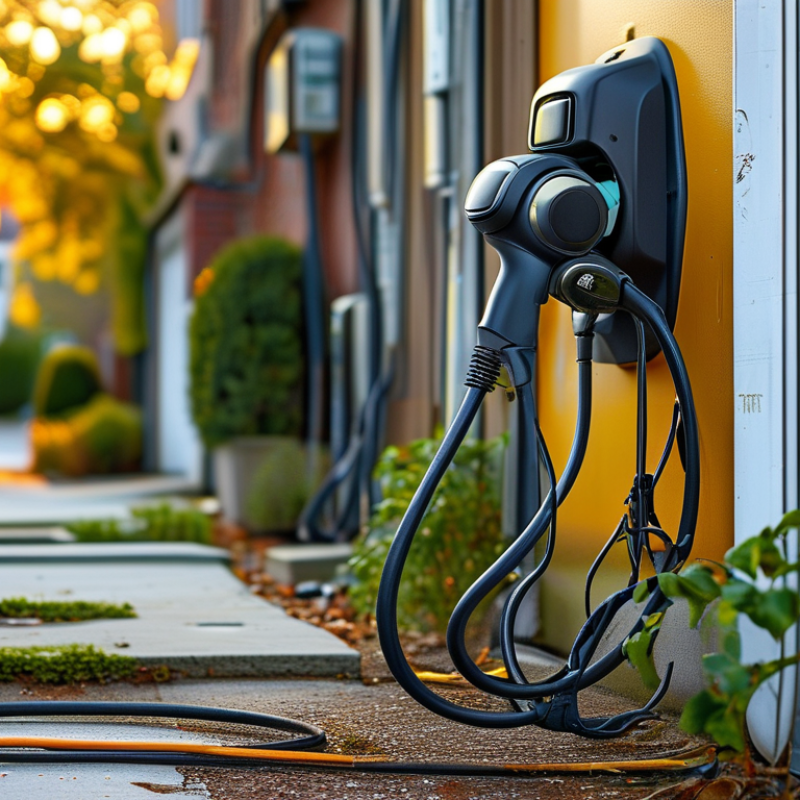
How to Assess the Best Location for Your EV Charger Installation
When assessing the best location for your EV charger installation, several factors come into play. Consider the distance from your parking area to your home's power supply. The shorter the distance, the easier and more cost-effective the installation will be. Look for an area where your vehicle can easily park without obstruction. Think about how frequently you will charge your car. Frequent charging may require a more accessible spot.
Also, pay attention to the surrounding environment. Ideally, the location should have some protection from the elements. A place under an overhang or near a wall can shield the charger from rain or snow. Lighting is another consideration. A well-lit area enhances safety, especially at night when you might plug in after a long day.
Do not forget about local codes and regulations. Check if your chosen spot complies with electrical codes. A professional consultation can provide insights but might feel unnecessary. Lastly, reflect on your personal habits. If you frequently forget to charge, placing the charger in a more visible spot may help you remember. Balancing convenience and safety will lead to a more effective installation.
EV Charger Installation Assessment Locations
This chart displays suitability ratings for various locations to install an EV charger at home without a garage. The scale ranges from 1 to 10, indicating how appropriate each location is based on factors like accessibility, proximity to electrical sources, and convenience.
Understanding Different Types of EV Chargers: Level 1 vs Level 2
When considering the installation of a home EV charger, understanding the differences between charger types is crucial. Level 1 chargers utilize standard household outlets. They are slower and can take up to 24 hours to fully charge an EV. This option may seem convenient for those without a garage since it requires minimal installation. However, the charging speed can be frustrating if daily use is essential.
Level 2 chargers, on the other hand, are more efficient. They typically operate at 240 volts, providing a faster charging experience. Charging an EV with a Level 2 charger takes about 4 to 8 hours for a full charge. This is beneficial for daily commuters. Yet, installation may require electrical upgrades, which could lead to higher costs.
Choosing between these two types involves several factors. The availability of space, power source, and installation costs must be weighed. It's also essential to consider future needs as technology and EV usage evolve. Sometimes, homeowners overlook these aspects and end up with an inadequate charging solution. A thoughtful approach ensures a better experience over time.
How to Install a Home EV Charger Without a Garage Tips? - Understanding Different Types of EV Chargers: Level 1 vs Level 2
| EV Charger Type |
Voltage |
Charging Speed |
Installation Complexity |
Cost Estimate |
| Level 1 Charger |
120V |
4-5 miles of range per hour |
Easy |
$300 - $600 |
| Level 2 Charger |
240V |
10-25 miles of range per hour |
Moderate |
$500 - $1,500 |
| Fast Charger |
480V |
60-80 miles of range in 20-30 minutes |
Complex |
$10,000 - $40,000 |
Permitting and Regulations: What You Need to Know Before Installing
Installing a home EV charger without a garage presents unique challenges, particularly in understanding local permitting and regulations. According to a report by the International Energy Agency, 80% of EV charging occurs at home. Therefore, comprehending local guidelines is crucial. Many municipalities require permits for electrical work. Not securing a permit can lead to fines or forced disassembly of your installation.
Research indicates that installation costs can vary significantly based on local rules. A 2021 study by the U.S. Department of Energy found that costs may increase by 30% when permits are involved. Be sure to check your local zoning laws. Homeowners often overlook compliance requirements. Understand that regulations are placed to ensure safety and reliability in electrical systems.
When preparing for installation, consider hiring a certified electrician. They’ll navigate the permitting process efficiently. Make use of online resources for guidance. Local EV clubs or forums can be valuable sources of information. Always ensure your installation adheres to the National Electrical Code. The details matter greatly. Prioritize safety and legality over convenience. Each region may have nuances that could affect your experience.
Choosing the Right Electrician: Qualifications and Experience Matters
When selecting an electrician to install a home EV charger, qualifications and experience are vital. The National Electrical Contractors Association (NECA) emphasizes that licensed electricians must undergo rigorous training. Their expertise ensures proper installation and compliance with safety standards. A recent study highlighted that 40% of electrical issues stem from poor installations, underscoring the need for qualified professionals.
It’s important to verify an electrician’s credentials. Ask for proof of licensing and insurance. On average, hiring experienced electricians can reduce installation errors by up to 30%, according to industry reports. A well-trained electrician understands local codes and can navigate any potential challenges unique to your home setup. Their insights may save you from costly mistakes down the line.
Choosing the right electrician goes beyond qualifications. Experience shapes skills. It's advisable to check references and reviews. Many homeowners reported that personal recommendations led to better service outcomes. However, some overlooked this essential step, resulting in unsatisfactory work. Investing time to find a qualified electrician can enhance the safety and efficiency of your EV charging station.
Cost Analysis: Budgeting for Home EV Charger Installation and Maintenance
Installing a home EV charger can initially seem overwhelming, especially without a garage. The budget for installation is a crucial factor. Many homeowners underestimate costs. The average installation can range from $1,000 to $2,500, depending on your electrical system and charger type. Planning for additional materials is essential, as it can significantly increase expenses.
In addition to installation, consider ongoing maintenance costs. Regular checks ensure safe operation, often costing around $100 a year. If you encounter issues, repairs could double your budget. It’s wise to factor in potential repair costs when planning. For some homeowners, initial thoughts of going green may waver when these costs arise.
Finally, keep in mind local regulations and permits that may affect your total cost. Prices can vary greatly based on where you live. Researching your specific area is important. Homeowners need to balance costs with the technology's benefits. It's a decision that requires careful thought and planning.
FAQS
: Local permitting ensures compliance with safety regulations. Some municipalities require permits for electrical work.
Installing without a permit could lead to fines or forced removal of your installation. Compliance is crucial.
A study found that installation costs can rise by 30% when permits are involved. Local rules vary widely.
Yes, hiring a certified electrician helps navigate the permitting process and ensures compliance with safety standards.
Confirm their credentials, including licensing and insurance. Request proof to ensure they are qualified for the job.
Experienced electricians reduce installation errors and understand local codes well. Their expertise saves you from costly mistakes.
Utilize online resources and local EV clubs or forums. They can provide valuable information and support.
Homeowners may prioritize convenience over quality. Skipping this step can lead to unsatisfactory work and issues.
Each region has unique regulations affecting installation. Prioritize safety and legality to avoid problems down the line.
Adhering to the National Electrical Code ensures safety and reliability in your electrical system.
Conclusion
Installing a home EV charger without a garage can be a straightforward process with the right preparation and guidance. First, it's essential to assess the best location for your charger installation, ensuring it is accessible and complies with local regulations. Understanding the differences between Level 1 and Level 2 chargers will also help determine the best fit for your needs and charging speed requirements.
Before proceeding, familiarize yourself with the necessary permitting and regulations in your area. Selecting a qualified electrician is crucial, as their experience can significantly influence the success of your installation. Finally, conducting a cost analysis will help you budget for both the initial installation and ongoing maintenance of your home EV charger. By following these steps, you can confidently learn how to install a home EV charger without a garage.

 Midwest Charger