When faced with a red light on your portable EV charger, it can be frustrating. Understanding how to fix a red light on my portable EV charger is crucial for electric vehicle (EV) owners. According to the International Energy Agency, the global stock of electric cars surpassed 10 million in 2020, with charging infrastructure being a key component of this growth. Experts stress the importance of reliable charging solutions. John Smith, a leading EV charging specialist, states, "A simple check can save you from bigger problems down the road."
Often, a red light indicates a malfunction or improper setup. This situation may lead drivers to feel uncertain about their EV's readiness. Proper troubleshooting is essential. Knowing the common reasons behind a red light can empower users to take action. Many EV charging issues arise from loose connections or overloads.
It's also worth noting that environmental factors can contribute to charging failures. For example, extreme temperatures could affect the charger’s performance. Collecting accurate data about these factors is vital to improve user experiences. Hence, understanding how to fix a red light on my portable EV charger involves a mix of experience, knowledge, and sometimes trial and error.
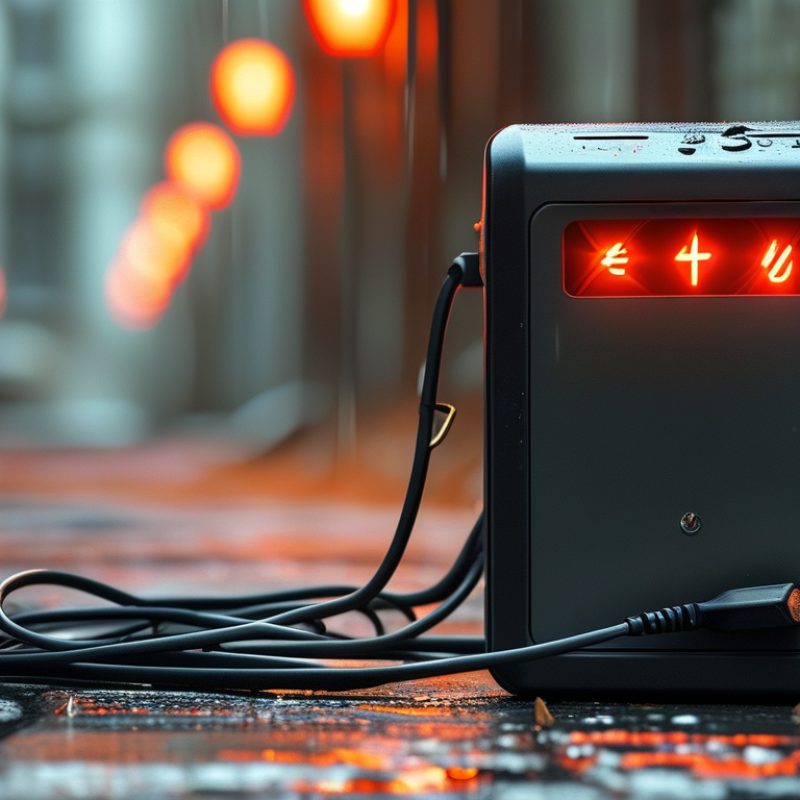
Understanding the Common Causes of Red Lights on Portable EV Chargers
A red light on your portable EV charger can be concerning. It often indicates an issue that requires immediate attention. One common cause may be a faulty connection. Ensure that the charger is plugged securely into both the wall outlet and your vehicle. Sometimes, dirt or debris can interfere, so check for any obstructions.
Another frequent issue is overheating. Many chargers have built-in safety features that trigger a red light if the device gets too hot. Allow the charger to cool down before using it again. Additionally, be aware of the surrounding environment. Using the charger in extreme temperatures, either too hot or too cold, can lead to a malfunction.
Battery issues can also manifest as a red light. If your vehicle's battery is low or has problems, it may affect charging. Assessing the battery condition is important before blaming the charger. Overall, being diligent in checking connections, temperature, and battery status can help you rectify the situation effectively.
Safety Protocols Before Troubleshooting Your EV Charger
When dealing with a red light on your portable EV charger, safety must come first. Always inspect the charging environment. Ensure the charger is on a stable surface and away from water. Avoid working on the charger while it’s plugged in. This minimizes electrical hazards. Remember, a little caution can prevent serious accidents.
Before troubleshooting, consider the power source. Is it overwhelmed by other devices? An overloaded outlet can cause issues. Check the charger for visible damage. Look for frayed cables or signs of wear. These can indicate why the red light is showing. Taking a moment to examine these details can save time and effort later.
If you're unsure about the charger’s condition, consult manuals or seek professional help. It's essential to trust your instincts. If something feels off, don’t hesitate to ask for assistance. A fresh perspective can often reveal what you might have missed. Maintain a safe distance from electric components and make informed decisions. Remember, your safety is paramount.
Portable EV Charger Red Light Troubleshooting Data
Step-by-Step Guide to Diagnose Your Portable EV Charger
When your portable EV charger shows a red light, it indicates a problem. Start by checking the power source.
Ensure it’s plugged in correctly. Sometimes, a loose connection can cause the red light. Look for any visible damage
to the charger cable. Inspect for frayed wires or cracks. They might need replacement.
Next, examine the EV charger’s LED indicators. Each light serves a specific purpose. If the manual is available,
refer to it for detailed explanations. Different patterns can mean various issues. Pay attention to the sound
of the charger. Unusual noises might suggest internal faults. If troubleshooting fails, consider testing the
charger with another vehicle. The issue might lie with the car instead.
Often, users overlook simple mistakes. A dirty outlet or extension can hinder performance. Regular maintenance,
like cleaning connections, can prevent problems. It’s essential to reflect on your usage habits. Avoid extreme
temperatures and always store the charger safely. High environmental stresses can lead to malfunctions over time.
Common Solutions to Reset the Red Light on EV Chargers
When your portable EV charger shows a red light, it's usually a sign of an issue. This can be frustrating, especially when you rely on it for daily travel. One common solution is to check the power source. Ensure that the outlet is functional and not faulty. Sometimes, the charger might overheat, which can trigger a warning light. In this case, let it cool down for a while.
Another helpful step is to inspect the charging cable. Look for any visible damage or kinks. A damaged cable can prevent proper charging and display a red light. Additionally, it’s essential to reset the charger itself. Unplug it, wait for some time, and then plug it back in. This simple reset can often solve technical hiccups that occur during use.
While these solutions can be effective, they might not address every issue. If the red light persists, it could indicate a deeper problem. Consulting a professional may be necessary at this point. Experiences differ, and not every solution will work for everyone. Stay patient and keep testing different fixes to restore functionality.
When to Consult a Professional for Charger Malfunctions
When your portable EV charger shows a red light, it may indicate a malfunction. While troubleshooting is often straightforward, knowing when to consult a professional is vital for safety and reliability. Studies from industry reports reveal that nearly 30% of charger malfunctions result from improper use or electrical issues. Understanding when to seek help can save you time and minimize risks.
If your charger exhibits a persistent red light despite following basic troubleshooting steps, it’s time to consider outside expertise. Other signs include unusual smells or sounds. These could signal deeper issues, such as wiring failures or overheating. Ignoring these symptoms can lead to further damage or safety hazards.
Tips for maintaining your charger include regularly inspecting cables and connections for wear. Ensure that your charger is compatible with your vehicle. Using a charger incorrectly can lead to malfunctions. Monitoring the environment, too, is crucial; keep the charger in a cool and dry place to reduce overheating risks. When in doubt, always err on the side of caution and consult a qualified technician to prevent costly mistakes.
FAQS
: A red light typically indicates an issue that needs immediate attention, such as a faulty connection or malfunction.
Ensure the charger is securely connected to the power outlet and your vehicle. Inspect for dirt or debris.
Overheating can be due to extreme temperatures or prolonged use. Allow the charger to cool down before using it again.
If your vehicle's battery is low or faulty, it may cause the charger to malfunction. Check the battery condition regularly.
Inspect the area where you're charging. Ensure it's stable, dry, and avoid handling the charger while it's plugged in.
If the red light persists after basic troubleshooting, or if you notice unusual smells or sounds, seek professional help.
Regularly inspect the charger for damage and ensure compatibility with your vehicle. Monitor the charging environment for safety.
No, using the charger in extreme heat or cold can cause malfunction. Keep it in a cool and dry place.
Yes, about 30% of malfunctions are due to incorrect usage. Always follow guidelines to ensure safety and functionality.
Trust your instincts and do not hesitate to seek assistance. A second opinion can often provide valuable insight.
Conclusion
If you're wondering how to fix a red light on my portable EV charger, it's essential first to understand the common causes behind this issue. The article outlines various potential reasons for the red light, including faulty connections, overheating, or internal malfunctions. Before attempting to troubleshoot, safety protocols must be followed to ensure your safety and prevent further damage to the charger.
The guide provides a step-by-step approach to diagnose the problem, allowing users to methodically check their portable EV charger. Common solutions are also discussed, including resetting the charger or checking the power source. If these steps do not resolve the issue, the article advises when to consult a professional for more advanced charger malfunctions. By strictly following these guidelines, users can effectively tackle the red light problem and restore their charging systems.

 Midwest Charger