How to Find a Charger for All EV Brands in 2026?

Time:2026-10-26 Author:Sienna
0%

Finding a compatible EV charger in 2026 is no longer a simple plug-and-play decision. Drivers must compare connectors, charging standards, vehicle software, network access, and payment methods. A connector may physically fit, yet the session can still fail because of communication errors or restricted access.

The International Energy Agency’s Global EV Outlook 2024 reported that more than 17 million electric cars were sold worldwide in 2024, increasing pressure on public charging networks. The U.S. Department of Energy’s Alternative Fuels Data Center also shows rapid growth in publicly available charging stations. However, availability does not always mean compatibility. A busy 350-kilowatt charger may deliver limited power to a smaller battery. That detail matters beside a supermarket.

So, how to find a charger that works with all ev brands? The practical answer involves checking more than the socket. Drivers should verify connector type, charging speed, roaming support, live station status, and vehicle-specific limitations before travelling. Apps such as PlugShare can reveal recent user reports, although the information is not always perfect.

CharIN executive director Claas Bracklo has emphasized, “Charging must be simple, reliable, and accessible for everyone.” That principle guides this article. It also exposes an uncomfortable truth: no single charger guarantees universal success today. Standards are improving, but software, regional networks, and vehicle design still create exceptions. The safest approach combines official manufacturer information with independent charging data. A little planning can prevent arriving with 8% battery and discovering a silent, incompatible station.
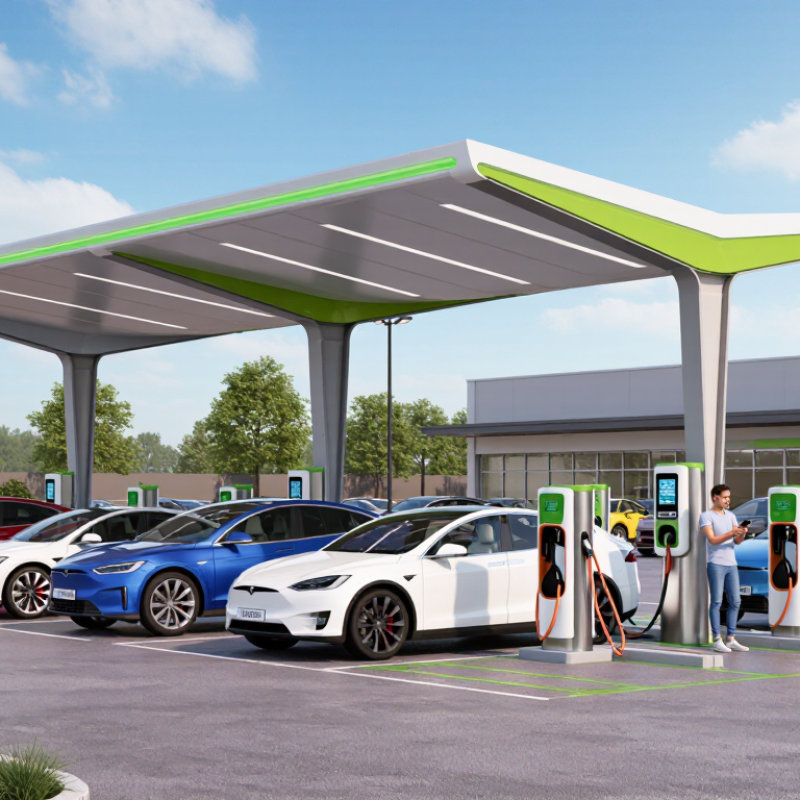
How to Find a Charger for All EV Brands in 2026?

Identify Your EV’s Charging Requirements

Finding a charger begins with the vehicle, not the charging network. Check the owner’s manual and charge-port label for connector type, maximum AC input, and DC fast-charging limits. These details define compatibility. An adapter may solve a connector mismatch, but it cannot increase the car’s accepted power. That distinction prevents expensive, disappointing purchases. Battery size matters too. A larger battery usually needs more energy for a full charge, while daily driving may require only a short top-up.

For home charging, inspect the available electrical supply before choosing equipment. Record the circuit rating, outlet type, cable length, and installation location. A qualified electrician should verify the circuit and protective devices. Do not assume a familiar outlet is suitable for continuous high-load charging. Charging speed is only one part of the decision. Drivers with short commutes may prefer a slower overnight rate, while frequent highway travel can justify higher-power DC access. Weather and parking conditions also matter. Cold temperatures can reduce charging speed, and a long cable may become awkward in a tight garage.

Before buying, compare the charger’s rated output with the vehicle’s real acceptance limit. Also check whether the unit supports scheduled charging, load management, and clear status indicators. Use official technical specifications rather than marketplace summaries. They are not always accurate. Keep a small record of charging times and energy added. That habit reveals whether your chosen setup fits your routine or wastes capacity. Even careful planning needs revision after a few weeks of actual use.

Learn the Main Charger Types, Connectors, and Charging Speeds

How to Find a Charger for All EV Brands in 2026?

Choosing a charger starts with the vehicle’s inlet, not the charger’s appearance. AC Level 1 uses a standard household outlet and adds roughly 3–8 kilometers of range per hour. It suits overnight charging, but it feels slow for frequent driving. AC Level 2 uses 208–240 volts and commonly delivers 7–22 kW. A wall-mounted unit can refill many daily driving needs while you sleep.

Public DC fast chargers work differently. They send direct current to the battery and often provide 50–350 kW. Actual speed depends on battery temperature, charge level, and vehicle limits. Charging usually slows above 80 percent. Plan around that. Faster is not always better for every trip.

Connector choice needs careful checking. Type 1 and Type 2 are common AC formats in different regions. CCS connectors combine AC charging with two larger DC pins. CHAdeMO remains available in some charging networks and vehicles. An adapter may solve a connector mismatch, but it cannot increase the vehicle’s maximum charging speed. I once assumed every fast charger delivered its advertised rate. That was wrong. Cable length, station sharing, and a cold battery changed the result. Before traveling, check the vehicle manual, connector image, power rating, and station access requirements. Small details matter.

Check Compatibility Across EV Brands and Charging Networks

How to Find a Charger for All EV Brands in 2026?

Compatibility begins with the vehicle, not the charging app. Check the car’s inlet type, charging standard, maximum power, and onboard AC limit. A connector may fit physically but still charge slowly or fail completely. I learned this after treating a 150-kilowatt rating as a promise. It is not.

The International Energy Agency reported more than four million public charging points worldwide at the end of 2023, with over 1.3 million added that year. More stations do not automatically mean easier charging. Before driving, compare your vehicle’s connector with the network’s plug details, then confirm voltage, current, and supported charging modes. For long trips, check live availability and recent uptime information. A screen showing “available” can still hide a payment fault or a damaged cable.

Network access matters across EV brands. Look for roaming support, transparent pricing, guest payment, and reliable customer assistance. The ICCT’s recent charging assessments emphasize that convenience depends on access, reliability, and geographic coverage, not charger numbers alone. Carrying a suitable adapter can reduce uncertainty, but adapters cannot change a vehicle’s charging limits. Standards are improving, yet databases can contain outdated listings. Verify critical stops through two sources, especially in rural areas. A five-minute check may prevent an hour beside a silent charger.

How to Find a Charger for All EV Brands in 2026? - Check Compatibility Across EV Brands and Charging Networks

Compatibility Area What to Check Common Options in 2026 Typical Use Practical Guidance
AC connector Match the vehicle inlet with the charger plug and confirm the regional standard. Type 1, Type 2, or a region-specific AC inlet Home, workplace, hotel, and public destination charging Do not rely only on the charger name; compare the physical connector and vehicle inlet.
DC fast-charging connector Confirm that the DC plug matches the vehicle's fast-charge inlet. Combined AC/DC connector systems, regional high-power DC connectors, or an approved adapter Highway charging and rapid top-ups An adapter is usable only when both the vehicle and charging equipment support that adapter type.
Charging level Compare AC or DC operation, maximum current, and maximum charging power. AC Level 1, AC Level 2, and DC fast charging Slow overnight charging, daily charging, or rapid travel charging The vehicle's maximum acceptance rate determines the actual speed, not the charger's advertised peak alone.
Electrical supply Check voltage, phase configuration, circuit capacity, and local electrical requirements. Household AC supply, dedicated single-phase circuits, or three-phase commercial supply Residential and commercial installations Have a qualified electrician verify the installation before using a permanently installed charger.
Communication protocol Verify that the vehicle and charger can communicate for authorization and power control. Control-pilot signaling, digital DC communication, and network communication standards Starting a session, adjusting power, and ending a session safely A physically matching plug may still fail if the required communication method is unsupported.
Network access Check whether the station requires an application, account, payment card, RFID token, or contactless payment. Open-access payment, roaming access, membership access, or app-based activation Public charging sessions Install the relevant payment application before traveling and keep a backup payment method available.
Roaming support Confirm whether one charging account can access stations operated by another network. Direct access, roaming agreements, or separate operator accounts Cross-network road trips Check live access and pricing in the charging application because roaming availability can vary by location.
Vehicle charging limit Find the vehicle's maximum AC input, DC input, voltage range, and current limit. Vehicle-specific limits listed in the owner's manual or charging settings Choosing an appropriately rated charger A higher-rated station is generally compatible when the connector and communication requirements also match, but it may not charge faster.
Adapter requirements Check adapter direction, power rating, safety certification, and approved compatibility list. AC plug adapters, DC fast-charging adapters, or no adapter required Connecting different regional or connector standards Never use a passive adapter where active communication or voltage conversion is required.
Station status Review real-time availability, connector status, operating hours, and temporary restrictions. Available, occupied, reserved, offline, or out of service Route planning and charger selection Treat live status as changeable and identify an alternative station before starting a long journey.
Pricing model Compare energy-based, time-based, session-based, parking, and membership charges. Price per kilowatt-hour, price per minute, fixed session fee, or a combination Estimating charging cost Review the final tariff before plugging in because taxes, idle fees, and parking fees may apply.
Safety and certification Look for applicable electrical safety certification, residual-current protection, and weather protection. Certified equipment, overcurrent protection, ground-fault protection, and thermal monitoring Indoor and outdoor charging Avoid damaged cables, exposed connectors, unofficial modifications, and equipment without clear safety information.
Best selection rule Confirm connector, electrical rating, communication, payment access, and live station status together. A charger that satisfies all five compatibility checks Reliable charging across different EV manufacturers and networks Use the vehicle manual, the charging operator's live information, and an approved compatibility list before every unfamiliar charging session.

Use Apps and Maps to Locate Available Compatible Chargers

How to Find a Charger for All EV Brands in 2026?

In 2026, finding a suitable EV charger depends more on accurate information than distance. Open a trusted charging app or map before driving, then enter your vehicle’s connector type and charging requirements. Filter results by charging speed, access hours, payment options, and current availability. A nearby charger may not support your vehicle or may provide slower power than expected.

Check the station’s live status, user comments, and latest update time. Then compare the details with your vehicle manual. Some maps display a charger as available even when another driver has just connected. This information gap is frustrating, and it deserves more attention. For longer trips, choose a primary location and a backup within a practical driving range. Save both locations offline if your route includes weak mobile coverage. A short detour is better than an empty battery.

Tips: Use two maps. Confirm the connector. Check opening hours. Keep a backup. Do not trust old status data. Look for recent comments describing blocked spaces, damaged cables, or access problems. Charging speed can also change with temperature, battery level, and station demand. I would rather spend two minutes verifying details than arrive at an unusable charger. Mistakes still happen, even with careful planning.

Compare Access, Pricing, Reliability, and Safety Before Charging

Finding a charger for every EV brand in 2026 requires more than checking connector compatibility.

In daily driving, I compare network access, charging speed, payment options, and location coverage. A charger may appear nearby, yet require an account, a specific app, or a payment method that fails underground.

Access matters.

Pricing deserves careful attention. I check connection fees, energy rates, parking charges, and time-based penalties before plugging in. A low advertised rate can become expensive during busy periods. Receipts should show the total cost clearly.

I once compared only the energy price and missed the parking fee. That mistake changed my approach.

Reliability is equally important, especially before a long trip. I look for recent status updates, visible maintenance information, and several nearby alternatives.

Safety comes before convenience. The cable should show no cuts, exposed wires, or damaged connectors. I avoid charging with wet hands and follow the vehicle and charger instructions.

Certified equipment and proper electrical protection reduce avoidable risks, but they cannot replace careful judgment. If a connector feels unusually hot, charging should stop.

Ask for professional help when an installation issue is unclear.

No system is perfect.

FAQS

Which charger type suits overnight home charging?

AC Level 1 uses a household outlet and adds roughly 3–8 kilometers per hour. It works for light daily driving. It may feel too slow for frequent travel.

When is AC Level 2 a better choice?

AC Level 2 uses 208–240 volts and commonly delivers 7–22 kW. A wall-mounted unit can restore much of your daily range overnight. Installation quality matters.

How fast are public DC chargers?

DC fast chargers often provide 50–350 kW. Actual speed depends on battery temperature, charge level, vehicle limits, and station demand. Charging usually slows above 80 percent.

How can I choose the correct connector?

Check the vehicle inlet before choosing a charging station. Type 1 and Type 2 support common AC charging formats in different regions. CCS combines AC charging with larger DC pins. CHAdeMO remains available for some vehicles and networks.

Can an adapter make charging faster?

An adapter may solve a connector mismatch. It cannot increase the vehicle’s maximum charging speed. Check the manual and connector image first. Small details matter.

How should I verify a charger before driving there?

Use a charging map or app before departure. Filter by connector type, power rating, access hours, payment options, and live availability. Check recent comments for blocked spaces or damaged cables. Old status data misleads people.

Should I prepare a backup charging location?

Yes. Choose a primary charger and another practical alternative nearby. Save both locations offline when mobile coverage may be weak. A short detour beats an empty battery. Plans still fail sometimes.

What costs should I check before charging?

Review connection fees, energy rates, parking charges, and time-based penalties. The displayed energy price may not show the full cost. Check the receipt afterward. I once missed a parking fee.

What safety details deserve attention at a charger?

Do not use cables with cuts, exposed wires, or damaged connectors. Avoid charging with wet hands. Stop if a connector becomes unusually hot. Ask a qualified professional about unclear installation problems.

Conclusion

Finding the right EV charger starts with understanding your vehicle’s requirements, including its connector type, supported charging speed, battery capacity, and onboard charging limits. To learn how to find a charger that works with all ev brands, drivers should compare common charger types and connector standards rather than relying on brand names alone. A charger may physically connect to an EV but still provide limited speed or require an approved adapter, so checking technical compatibility is essential before starting a session.

Charging apps, navigation tools, and station maps can help locate compatible chargers and show real-time availability. Before choosing a station, compare access requirements, pricing, payment options, operating reliability, and safety features. It is also useful to confirm whether the charger supports the vehicle’s required power level and whether reservations or account registration are needed. By combining vehicle information with network details and practical station reviews, EV drivers can select a dependable charging option for daily travel or longer journeys.

Sienna

Sienna

Sienna is a skilled marketing professional with a deep expertise in our company’s core products and services. With a passion for innovation and detail, she plays a pivotal role in crafting insightful blog posts that not only highlight the unique features of our offerings but also provide valuable......