Why Does My EV Charger Keep Tripping the Circuit Breaker?

Time:2026-05-13 Author:Oliver
0%

Electric vehicles (EVs) are gaining popularity, yet many users face challenges with their home charging systems. A common issue is understanding why does my EV charger keep tripping the circuit breaker? According to a recent report by the Electric Power Research Institute, about 30% of EV owners experience electrical issues related to charging. These issues can disrupt charging times and cause significant frustration.

One expert, Dr. Emily Carter, a leading engineer in electric vehicle infrastructure, notes, “Frequent breaker trips suggest a deeper electrical problem.” This insight calls attention to the importance of electrical safety in EV charging. Homes may not be equipped to handle the high demands of multiple EVs or inadequate wiring. Factors like old circuits, faulty installations, or incompatible equipment often contribute to these annoyances.

Understanding why does my EV charger keep tripping the circuit breaker is crucial for a seamless EV experience. Upgrading your electrical system or consulting a qualified electrician can make a noticeable difference. Balancing convenience and safety is essential as we embrace the shift towards electric mobility.
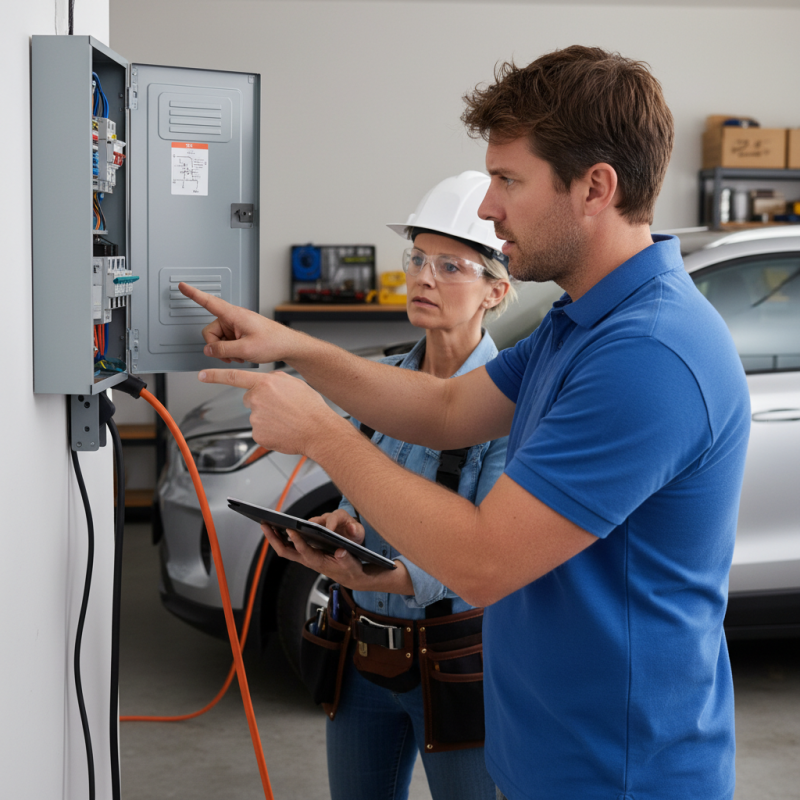
Why Does My EV Charger Keep Tripping the Circuit Breaker?

Common Causes of EV Charger Circuit Breaker Tripping

When an EV charger continuously trips a circuit breaker, it signals underlying issues. One common cause is overloaded circuits. The National Electric Code (NEC) recommends a dedicated circuit for EV chargers. If multiple devices share a circuit, it may trip. The typical residential circuit is 15-20 amps; exceeding this can cause breakers to trip.

Another frequent reason is grounding issues. Inadequate grounding can lead to electrical imbalances, causing the charger to malfunction. The Electric Vehicle Infrastructure Training Program emphasizes proper installation to ensure safety. Additionally, moisture can also play a role. If water seeps into connections or the charger itself, it can create short circuits, leading to breaker trips.

Signs of these problems include unusual noises during charging or flickering lights. These symptoms require immediate attention. Regular inspection of wiring and connections helps prevent issues. Addressing these factors can reduce inconvenience. However, the complexity of home electrical systems makes it essential to consult a professional when problems persist.

Why Does My EV Charger Keep Tripping the Circuit Breaker? - Common Causes of EV Charger Circuit Breaker Tripping

Cause Description Solution
Overloaded Circuit The circuit cannot handle the amount of current drawn by the EV charger. Reduce the number of devices on the same circuit or upgrade the circuit capacity.
Ground Fault Current leakage to the ground can cause the breaker to trip for safety. Inspect wiring and connections for any damage; consider using a GFCI breaker.
Faulty Charger The charger may have internal issues leading to circuit interference. Test with a different charger or have the current charger inspected.
Loose Connections Loose or corroded connections can create resistance and overheating. Check and tighten all connections in the circuit and the charger.
Breaker Issues Old or faulty circuit breakers may trip unexpectedly. Consider replacing the breaker with a new one rated for the charger.

Electrical Overload Issues with EV Chargers

Electric vehicle (EV) chargers are becoming increasingly popular. However, many users experience issues with tripping circuit breakers. This usually signals an electrical overload, a common problem in residential setups. Studies indicate that nearly 20% of EV charger installations face such challenges.

Overloading occurs when the EV charger requires more power than the electrical circuit can deliver. Standard home circuits often support 15-20 amps. But some EV chargers may demand 30 amps or more. This disparity can lead to blown fuses or tripping breakers. The U.S. Department of Energy states that proper circuit design is vital for efficient EV charging.

Inadequate wiring or aging electrical systems can exacerbate these issues. Homeowners often overlook these factors when setting up chargers. An estimated 30% of existing residential electrical systems may need upgrades to handle modern EV chargers. Always consult with a certified electrician before installation. This can help ensure your setup is up to code and capable of handling the load, reducing the risk of circuit trips.

Electric Vehicle Charger Circuit Breaker Tripping Analysis

This chart illustrates the frequency of circuit breaker tripping incidents categorized by potential causes for electric vehicle (EV) chargers. The data represents a survey of EV users who have experienced breaker trips.

Faulty Wiring and Poor Connections in EV Charging Systems

Electric vehicle (EV) chargers can trip circuit breakers due to faulty wiring and poor connections. When wiring is not properly installed or maintained, it can lead to overheating. This overheating may cause the circuit breaker to trip, which protects your system from damage. Inspecting wiring and connections regularly is essential for safety and efficiency.

Check for any frayed wires or loose connections before using your EV charger. Cracked insulation can expose wires to moisture, increasing the risk of short circuits. A simple visual inspection can reveal visible damage. If any issues arise, consider consulting a professional electrician specializing in EV charging systems.

Using a high-quality charger can help prevent trips as well. Ensure that your equipment meets the necessary safety standards. Also, avoid using extension cords or adapters that could compromise your system. Remember to unplug the charger when not in use to prevent accidental damage. Regular maintenance of your EV charger can save time and hassle in the long run.

Incompatibility Between EV Chargers and Circuit Breakers

Incompatibility between EV chargers and circuit breakers can lead to frustrating situations. Many EV owners face issues with their chargers tripping circuit breakers regularly. This problem often stems from the electrical system's capacity, which may not support the specific amperage of the charger. The National Renewable Energy Laboratory reports that approximately 30% of homes may have inadequate wiring for Level 2 chargers, often resulting in unnecessary overloads.

Choosing the right breaker is crucial. Electric vehicle chargers typically require dedicated circuits. A standard 15-amp circuit may not suffice for a Level 2 charger that can draw 30 amps or more. This mismatch often leads to tripped breakers. Experts recommend assessing your home’s electrical system before installation. Working with a licensed electrician can help identify potential compatibility issues.

**Tips:** Always check the circuit's amp rating. Consider having a dedicated line installed for your EV charger. Regular inspections can help catch problems early. Monitoring the charger’s performance can provide insights into any recurring issues. If the breaker continues to trip, re-evaluating the wiring and load distribution may be necessary. Safety is paramount; do not overlook these essential factors.

Potential Solutions to Prevent Circuit Breaker Tripping

If your EV charger repeatedly trips the circuit breaker, it’s frustrating. This issue can stem from various factors. Overloading the circuit is a common cause. When too much power is drawn, it can trigger safety features. Ensure your charger and circuit can handle the load.

Consider inspecting your electrical system. Loose connections can lead to surges, causing tripping. A professional can help identify these faults. They might recommend upgrading your circuit for better performance.

Using a dedicated circuit for your charger can reduce problems. It minimizes interference from other devices. Regular maintenance of your charger is essential as well. Dust and wear can impact performance. Observing these tips may help maintain a reliable charging experience.

FAQS

: What can cause a circuit breaker to trip when using an EV charger?

: Faulty wiring and poor connections are common causes. Overheating may occur, triggering circuit protection.

How can I check the safety of my EV charger?

Regularly inspect for frayed wires and loose connections. A simple visual check can identify visible damage.

Why is it important to use high-quality equipment for EV charging?

High-quality chargers meet safety standards and reduce the risk of tripping circuit breakers. They ensure reliable performance.

What should I do if my charger continuously trips the circuit breaker?

Inspect for overloads or loose connections. A professional can identify faults and recommend circuit upgrades.

Is it safe to use extension cords with my EV charger?

It’s best to avoid extension cords. They can compromise the system's safety and performance, leading to issues.

How often should I perform maintenance on my EV charger?

Regular maintenance is vital. Dust and wear can affect charger performance, leading to potential tripping problems.

Can I just visually inspect my EV charger for safety issues?

Yes, a visual inspection can help you spot problems. However, professional help is best for deeper issues.

What happens if wires have cracked insulation?

Cracked insulation can lead to moisture exposure, increasing short circuit risks. This requires immediate attention.

How does using a dedicated circuit for my charger help?

A dedicated circuit minimizes interference from other devices, leading to a more reliable and consistent charging experience.

What are some signs I need to consult a professional?

If you notice frequent tripping, burning smells, or persistent inefficiencies, it’s time to call for expert help.

Conclusion

If you're wondering "why does my EV charger keep tripping the circuit breaker," there are several common causes to consider. Electrical overload issues can arise when the EV charger demands more power than the circuit can safely provide, leading to frequent tripping. Additionally, faulty wiring or poor connections within the EV charging system can create instability, causing disruptions during charging.

Incompatibility between EV chargers and circuit breakers is another potential culprit that can trigger these issues. To prevent circuit breaker tripping, it is advisable to assess the electrical load, ensure proper wiring, and confirm compatibility between the charger and the circuit. By addressing these factors, you can help maintain a consistent and reliable charging experience for your electric vehicle.

Oliver

Oliver

Oliver is a seasoned marketing professional with a wealth of expertise in driving brand awareness and engagement. With a deep understanding of our company's product offerings, he consistently delivers high-quality content that enriches our professional blog. His insights not only shed light on......