As electric vehicles (EVs) gain traction in the global market, understanding the charging infrastructure is crucial. The question, "what is the difference between level 1 and level 2 charger?" has emerged as a common topic among consumers and industry experts alike. Industry reports indicate that more than 50% of EV owners prefer level 2 chargers for home use, citing faster charging times. However, many still rely on level 1 chargers, highlighting a gap in awareness.
John Doe, a leading expert in electric vehicle technology, addresses this topic, stating, "Choosing the right charger impacts your EV experience significantly." Level 1 chargers offer convenience as they can utilize standard outlets but charge slowly. In contrast, level 2 chargers require a dedicated charging station and can replenish an EV's battery in a fraction of the time. This difference influences EV adoption and user satisfaction.
Choosing between level 1 and level 2 charging isn't merely a technical consideration; it reflects a broader understanding of EV ownership. Consumers often wrestle with factors like installation costs and charging speeds. As the market evolves, greater awareness of these differences will undoubtedly affect purchasing decisions and infrastructure investments.
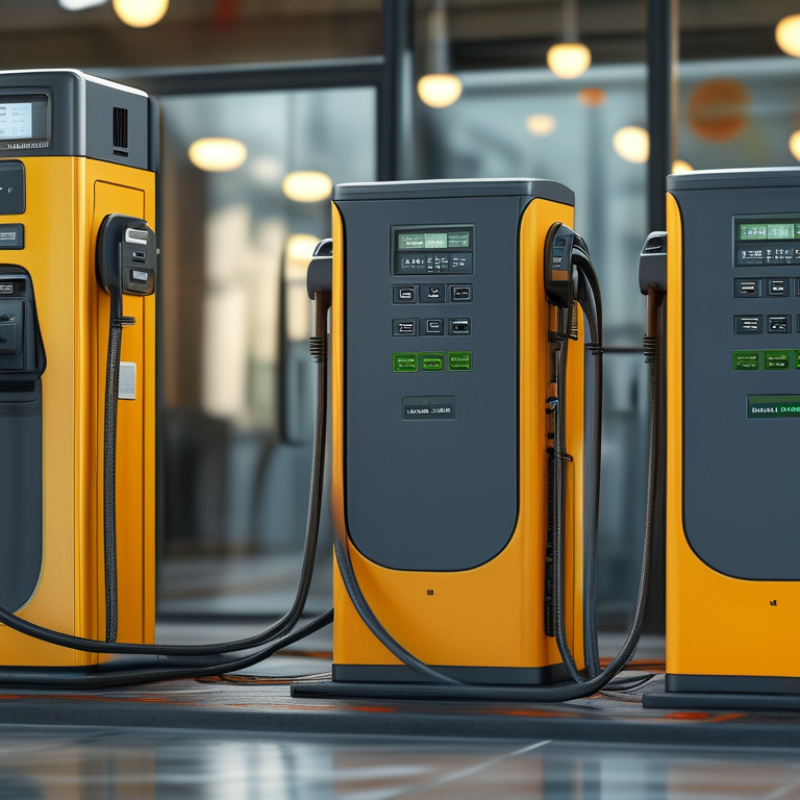
Level 1 and Level 2 chargers serve electric vehicles differently. Level 1 chargers typically utilize a standard household outlet, delivering 120 volts. This allows for a charging speed of about 4 to 5 miles of range per hour. According to data from the U.S. Department of Energy, many users find this method suitable for overnight charging at home. For someone with a low daily commute, this may suffice. However, it relies on the user's charging habits and vehicle's battery capacity.
In contrast, Level 2 chargers are more efficient, operating at 240 volts. They can provide 25 to 30 miles of range per hour, making them ideal for public charging stations and homes with high usage. A report from the Electric Power Research Institute states that with the increased adoption of electric vehicles, many households are opting for Level 2 installations. Still, installation costs can be a barrier. It's notable that while they are faster, not every user may require such capacity, leading to reflections on the balance between charging speed and cost.
Ultimately, the choice between Level 1 and Level 2 chargers depends on individual needs. Users must consider their driving patterns, available infrastructure, and personal preferences. As technology evolves, the differences may narrow, prompting ongoing discussions within the electric vehicle community.
Level 1 chargers, often found in residential settings, offer a straightforward charging solution. They typically require a standard 120-volt outlet, which is common in most homes. The charging process can be slow, usually adding about 4 to 5 miles of range per hour of charging. This makes them suitable for overnight charging or for those with short daily commutes.
The technical specifications of Level 1 chargers indicate they have lower amperage levels, typically ranging from 12 to 15 amps. This means that while they are convenient, they may not be ideal for electric vehicles with larger batteries. They may struggle to provide sufficient charge for more demanding usage patterns. Homeowners often need to plan their charging times carefully to avoid energy shortages.
While Level 1 chargers offer ease of use, they come with limitations. They lack the speed of Level 2 chargers, which can deliver up to 25 miles of range per hour. Users need to reflect on their driving habits when choosing between these options. Are there enough hours in the day to rely solely on Level 1 charging? The answer to this question varies based on individual needs and vehicle specifications.
Level 2 chargers are becoming the standard for electric vehicle owners. These chargers are often found in public charging stations and residential setups. They typically provide a power output of 240 volts, significantly enhancing the charging speed compared to Level 1 chargers, which use standard 120 volts. With Level 2 chargers, you can get about 10 to 60 miles of range per hour, depending on the vehicle.
Technical specifications of Level 2 chargers include various connectors and plug types. The most common are J1772 connectors, compatible with many electric vehicles. Charging power can vary from 3.3 kW to 19.2 kW. This range influences charging time and efficiency. For instance, a 16 amp Level 2 charger can fully charge a typical EV battery in approximately 4-8 hours, depending on the battery size and state of charge.
However, not every user needs such speed. Some may question if investing in a Level 2 charger is worth it. Expense and installation requirements can be hurdles. Users should assess their driving habits and basic needs first. Understanding these factors helps in making informed decisions. Balancing speed and practicality is crucial.
When comparing level 1 and level 2 chargers, the primary difference lies in their charging speed and efficiency. Level 1 chargers utilize a standard household outlet. This means they deliver about 1.4 kW of power. While this is great for overnight charging, it takes much longer to fully charge an electric vehicle. It might take 12 to 20 hours to complete a charge, depending on the battery size.
In contrast, level 2 chargers provide a significant boost in power. They offer between 3.3 kW to 19.2 kW, resulting in much quicker charging times. A level 2 charger can typically recharge a vehicle in 4 to 8 hours. This makes it ideal for daily use or quick top-offs. However, the installation of level 2 chargers often requires professional setup and may not be available everywhere.
Both charging levels have their merits. Level 1 is convenient and widely accessible, but its efficiency can be a drawback for busy users. Level 2 chargers are more effective but come with a higher installation cost and require a dedicated outlet. Electric vehicle owners must reflect on their charging needs and infrastructure before deciding on the right option.
When choosing between level 1 and level 2 chargers for electric vehicles, cost and installation are crucial. Level 1 chargers are typically more affordable. They don’t require special equipment and simply use a standard household outlet. However, charging times are longer, so they may not suit everyone. Homeowners often appreciate the ease of setting up a Level 1 charger.
Level 2 chargers, while pricier, offer significant benefits. They charge electric vehicles much faster, which can be a game-changer for daily schedules. Installation requires a dedicated circuit and possibly a permit, which adds cost. This upfront expense can result in savings over time through reduced charging duration.
Tips for installation: Always consult a licensed electrician for Level 2 chargers. They ensure compliance with local codes. Also, consider your electric panel's capacity. An overloaded panel can lead to complications. If uncertain, an energy audit can help clarify your needs. Additionally, some homeowners overlook the location of the charger. Position it near your parking area for convenience. Efficient planning yields better results.
: It’s a charger that uses a standard 120-volt outlet, ideal for home use.
A typical Level 1 charger adds about 4 to 5 miles of range per hour.
No, they may struggle with larger batteries and more demanding usage patterns.
Level 2 chargers provide 240 volts, significantly faster than Level 1 chargers.
Depending on the vehicle, it can add 10 to 60 miles of range per hour.
Assess your driving habits, installation costs, and local regulations to make an informed decision.
They require a dedicated circuit and possibly a permit, adding installation expenses.
It’s recommended to consult a licensed electrician for proper compliance and safety.
The charger’s location should be near your parking area for convenience during charging.
Yes, they are more affordable and use standard household outlets, making installation simpler.
When exploring "what is the difference between level 1 and level 2 charger," it's essential to understand their definitions and technical specifications. Level 1 chargers typically operate on a standard 120-volt outlet, providing a slower charging speed, making them suitable for home use where charging duration is not a primary concern. In contrast, Level 2 chargers require a 240-volt outlet, allowing for a significantly faster charging process, suitable for both residential and commercial settings.
The comparison between the two reveals marked differences in charging speed and efficiency, with Level 2 chargers being more efficient for those who require quick turnarounds. Cost and installation considerations also vary, as Level 2 chargers generally involve higher installation costs but can lead to better functionality for electric vehicle owners. Understanding these distinctions helps users make informed decisions based on their charging needs and circumstances.

Midwest Charger