Why Is My DC Fast Charger Stopping at 80 Percent Tips?

Time:2026-05-25 Author:Sienna
0%

Understanding "why is my dc fast charger stopping at 80 percent" is crucial for electric vehicle (EV) owners. Recent industry data shows that a significant number of EV users experience charging limits. In fact, a study by the International Energy Agency indicates that nearly 30% of EV owners encounter similar issues with fast chargers. This limitation often leads to frustration and misconceptions about battery health or charger functionality.

DC fast chargers are designed to charge batteries quickly but may stop at 80% to protect battery life. Manufacturers implement this feature to enhance longevity and prevent overheating. Research suggests that charging beyond 80% can cause increased wear on battery cells. As a result, many users wonder about this charging behavior and how it affects their driving range.

It’s essential to reflect on these charging strategies and their implications. While stopping at 80% may feel inconvenient, it is a calculated choice by manufacturers. Users must balance the desire for quick charging with the need for battery durability. Understanding these dynamics can lead to more satisfying and informed EV ownership experiences.
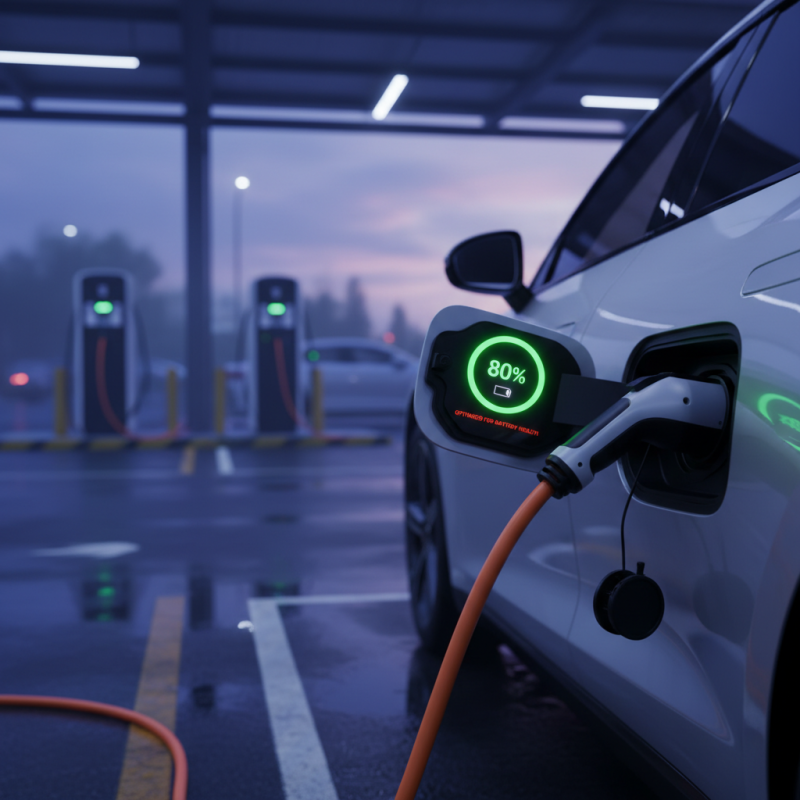
Why Is My DC Fast Charger Stopping at 80 Percent Tips?

Understanding DC Fast Charging and Its Common Limitations

DC fast charging is a game changer for electric vehicles. It allows you to charge your car's battery quickly. However, many users notice that their charging stops at 80%. This is not a malfunction. It's a common limitation of DC fast charging.

Charging to 80% is often the optimal range for lithium-ion batteries. According to industry reports, charging beyond this point can reduce battery lifespan. As batteries heat up, efficiency drops. This leads to increased charging times and diminished overall capacity. Many manufacturers implement this limit to promote battery health.

**Tips:** Consider charging during cooler times of the day. This may help with the battery temperature. Also, plan your trips with charging stations in mind. Frequent quick charges can be beneficial but monitor your battery health regularly. Avoid relying only on fast chargers for regular use. Embrace slower charging methods when possible, as they tend to be gentler on your battery.

Understanding why your DC fast charger stops at 80% helps in managing your EV's health. These strategies encourage optimal battery performance. Pay attention to charging habits to prolong battery life.

Battery Chemistry: Why EV Batteries Limit Charge to 80 Percent

Electric vehicle (EV) batteries have unique chemistry that influences charging behavior. One key aspect is the charge limit set at 80 percent. This limitation isn’t arbitrary; it’s a precaution. Charging to full capacity can stress the battery, leading to faster degradation.

When charging beyond 80 percent, the cells experience increased heat and chemical reactions. This can create imbalances in the battery, impacting lifespan. By limiting the charge, manufacturers provide a balancing act between efficiency and longevity.

Drivers might feel frustrated when their DC fast chargers stop at 80 percent. However, this practice is rooted in ensuring reliability over time. Understanding battery chemistry fosters appreciation for these safeguards. Having clearer insights into these processes can promote informed choices about EV usage. The goal is not just convenience but sustainable vehicle performance.

Impact of Charging Speed on Battery Health and Longevity

The charging speed of electric vehicles plays a crucial role in battery health and longevity. When utilizing a DC fast charger, many users notice their battery stops charging at 80 percent. This behavior is intentional, as it helps protect the battery from potential damage. Charging to full capacity can accelerate battery degradation, leading to reduced lifespan.

Rapid charging can generate heat, a significant enemy to battery health. Frequent high-speed charges create stress on the battery cells. This stress may cause internal changes that diminish the battery's overall capacity. It's essential to recognize that a balance between speed and battery care is fundamental. Charging at lower rates can also enhance battery life, allowing users to get the most from their investment.

Understanding charging limitations is vital. Some may feel frustrated when their fast charger cuts off early. Yet, it reflects a thoughtful approach to maintaining battery integrity. Users need to appreciate that charging habits directly affect battery performance. Opting for slower charging methods, when possible, can result in healthier battery life over time.

Impact of Charging Levels on Battery Health

This bar chart illustrates the correlation between different charging levels and battery degradation percentages. It highlights that charging the battery to levels above 80% can increase degradation, which is crucial for maintaining battery health and longevity.

Factors Influencing Charging Stops: Temperature, State of Charge, and More

When using a DC fast charger, many electric vehicle (EV) drivers notice that their charging often halts at around 80 percent. This phenomenon is influenced by several key factors, including temperature, state of charge, and battery management systems. According to industry research, the battery's chemistry plays a crucial role when it nears full charge. As the battery approaches 80 percent, the charging rate significantly decreases. This is a protective measure to enhance battery lifespan and prevent overheating.

Temperature also critically affects charging behavior. Studies indicate that optimal charging takes place between 20°C to 25°C (68°F to 77°F). Extremes in temperature can lead to reduced efficiency. For instance, in extreme cold, battery performance can drop by up to 30%. Similarly, excessive heat can trigger thermal throttling, causing the charger to stop early.

Moreover, some EVs implement a tapering strategy, where the charging rate decreases as the battery fills. This design protects the battery health but might frustrate users who expect to reach a full charge quickly. Understanding these dynamics can improve user expectations. Evaluating charging environments may lead to better charging practices and battery longevity. Ultimately, recognizing the interplay of these factors is essential for optimizing EV charging experiences.

Tips for Managing Your Charging Experience Effectively

Charging an electric vehicle can be a nuanced experience. Understanding why your DC fast charger stops at 80% is key. Many EVs have a built-in battery management system. This system prioritizes battery health over speed. Limiting charge to 80% helps extend battery life. A study by the U.S. Department of Energy highlights that batteries perform best when not continuously maxed out.

To manage your charging experience effectively, consider timing. Charging during off-peak hours reduces costs. According to a report from the International Energy Agency, charging during high demand times can lead to long wait times and increased rates. Also, plan your trips. Knowing where fast chargers are located can save you frustration and time.

Stay informed about your vehicle's charging capabilities. Manufacturers often provide guidelines. Regularly checking software updates ensures you’re using the latest features. Some users notice delays or malfunctions, so maintaining communication with technical support is essential. Exploring forums can uncover shared experiences and solutions from other EV owners. It's a continuous learning curve in the EV journey.

Why Is My DC Fast Charger Stopping at 80 Percent? Tips for Managing Your Charging Experience Effectively

Charging Factor Description Impact on Charging Tips for Management
Battery Health As batteries age, their capacity diminishes. Limited charge acceptance, may stop charging early. Regularly monitor battery condition; replace if necessary.
Charging Speed Fast chargers deliver higher power to the battery. May lead to heat and reduced efficiency. Avoid prolonged fast charging; use slower options when possible.
Temperature Batteries perform poorly in extreme temperatures. Charging may stop or slow down at high/low temperatures. Charge in moderate temperature environments.
Charge Settings Some vehicles limit charging to prolong battery life. Stopping at 80% is common in many EVs. Check vehicle settings; adjust to allow full charging if desired.
DC Charger Compatibility Not all chargers are compatible with all EVs. Incompatibility may restrict charging speeds. Use compatible chargers as per user manual.

FAQS

: Why does my DC fast charger stop at 80%?

: The charger stops to protect battery health. Charging beyond 80% can degrade battery lifespan.

How does charging speed affect battery health?

Rapid charging generates heat, which stresses battery cells. This can reduce overall battery capacity over time.

What’s the optimal charging strategy for my EV?

Charging at lower rates when possible enhances battery life. Avoid relying solely on fast chargers for regular use.

Is it okay to charge my EV at any time?

Charging during cooler times can benefit battery temperature. Off-peak hours can also reduce costs.

What should I consider when planning a trip?

Be aware of your route’s charging stations. This helps prevent frustrating delays during long journeys.

How can I keep my battery healthy?

Monitor your charging habits regularly. Use slower charging methods when possible for better battery longevity.

What if my EV software has delays?

Keep checking for updates. Regular communication with technical support can resolve many performance issues.

Can frequent fast charging damage my battery?

Yes, it can create stress that diminishes battery capacity. Balance speed with care for better performance.

How do I find shared experiences from other EV owners?

Explore online forums. They often contain valuable insights and solutions from fellow electric vehicle users.

Why is it important to manage my charging experience?

Proper management can prolong battery life and improve performance. Every charge impacts your vehicle's health.

Conclusion

If you've ever wondered, "why is my DC fast charger stopping at 80 percent?" it's crucial to understand the common limitations associated with DC fast charging and the underlying battery chemistry. Most electric vehicle (EV) batteries are designed to limit charge to 80 percent to enhance longevity and maintain health, as rapid charging can generate heat and stress that shorten battery life.

Several factors can influence charging stops, including temperature conditions and the current state of charge. For optimal charging experiences, it's essential to manage these factors effectively. By understanding how charging speed affects battery health and being mindful of environmental conditions, drivers can ensure their EV batteries remain in good condition while maximizing their charging efficiency.

Sienna

Sienna

Sienna is a skilled marketing professional with a deep expertise in our company’s core products and services. With a passion for innovation and detail, she plays a pivotal role in crafting insightful blog posts that not only highlight the unique features of our offerings but also provide valuable......