In the growing world of electric vehicles, the integration of smart home technology is increasingly essential. John Smith, a leading expert in smart home automation, emphasizes, “Connecting an EV charger to your smart home can save you time and money.” Understanding how to connect an EV charger to a smart home app can enhance your eco-friendly lifestyle.
When establishing this connection, it's important to consider various factors. Not all chargers are compatible with smart home systems. Users might struggle with software compatibility at first. However, once connected, the benefits are significant. Real-time monitoring and optimization of charging schedules allow for greater efficiency. Yet, users should remain vigilant about potential technical hiccups during setup.
This process can seem daunting initially. However, patience and research will yield fruitful results. As the technology evolves, more user-friendly solutions are likely to emerge. Learning how to connect an EV charger to a smart home app can transform your charging experience and contribute to a sustainable future. Adapting to new technologies always comes with challenges but offers a rewarding journey in energy management.
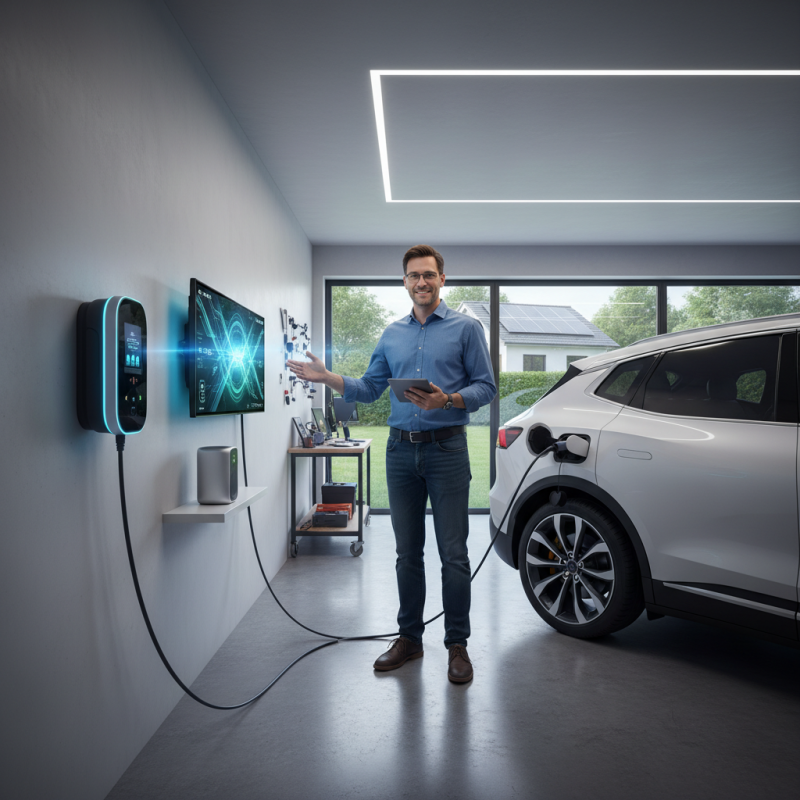
Integrating an EV charger into your smart home system can streamline your energy management. Smart home integration enhances convenience and efficiency. You can monitor charging status and schedule sessions remotely through your preferred app. This not only saves energy but can also reduce costs through off-peak charging.
One tip is to ensure your home network is robust. A weak Wi-Fi signal can disrupt the connection between your EV charger and the smart home app. If you face connectivity issues, consider a mesh Wi-Fi system. It will provide stable coverage throughout your home, ensuring smooth operation.
Another important aspect is to check for compatibility. Not all chargers work seamlessly with every smart home platform. Do your research and refer to product specifications before investing. Some chargers may not allow full integration, limiting your control options. Consider this when planning your setup.
Connecting your EV charger to your smart home requires attention to detail. A thoughtful approach will optimize your experience and energy management.
When choosing an EV charger compatible with smart home systems, several factors come into play. Over 70% of homeowners prioritize advanced charging features and connectivity options. This trend correlates with the rise in electric vehicle usage; reports suggest that EV sales may hit 30% of total vehicle sales by 2030. Smart chargers not only provide convenience but also enhance energy management.
A key aspect to consider is interoperability. Not all EV chargers seamlessly integrate with smart home platforms. Studies indicate that devices using common communication standards, such as Wi-Fi or Zigbee, are more likely to ensure compatibility. Look for chargers equipped with real-time tracking and energy consumption data to optimize efficiency.
Moreover, the installation process should not be overlooked. Many users encounter challenges due to lack of resources or misinformation. Proper assessment of home wiring and power supply capacity is crucial. Homeowners may benefit from consulting professionals to avoid underperformance or safety risks. Investing time in research can lead to a more efficient and reliable charging experience.
When installing an EV charger, preparation is key.
Begin by selecting a suitable location. Ensure it’s close to your vehicle’s parking spot and has access to electrical outlets.
Check local regulations before proceeding. Sometimes, extra permits may be required. It’s essential to ensure compliance
with your city’s codes to avoid future issues.
Next, gather all necessary tools and materials. You will need a drill, screwdriver, and a wire cutter. If the installation
requires electrical work, consider hiring a professional. While some might opt for DIY, safety should never be compromised.
An incorrect installation could lead to significant damage or hazards.
After setup, connect the EV charger to your smart home app. Follow the app's instructions precisely. This often involves
pairing the charger via Wi-Fi or Bluetooth. Be patient here; it might take several attempts to connect properly. It's
not unusual to encounter unexpected glitches. If the charger does not respond initially, make sure to troubleshoot
carefully. Double-check all connections before calling for help.
Connecting an EV charger to your smart home app can seem daunting. It’s essential to ensure compatibility between the charger and your home system. Many chargers offer guidelines on integration through their official documentation. Familiarize yourself with your app’s features and requirements for seamless connectivity.
Begin by checking your Wi-Fi signal strength where the charger is located. A weak connection can cause issues. Make sure your charger is powered on and within range of the router. Open your smart home app and search for new devices. Often, chargers will appear automatically. If not, manually input the device details as prompted by the app.
Once connected, explore the settings available within your app. You may have options to schedule charging times or monitor energy usage. However, keep in mind that user interfaces can differ. Take time to navigate and test various features. It’s okay if the initial setup isn’t perfect; adjustments can be made later. Sometimes, you may experience connectivity drops or delays in response. Don’t hesitate to troubleshoot these issues using the app’s support resources.
Managing your EV charging schedule through a smart home app offers great convenience. The app allows you to set specific times for charging. This is helpful, especially when electricity rates vary throughout the day. You can choose to charge your vehicle at off-peak hours. This can save you money on your electricity bill.
Additionally, these apps often provide real-time monitoring. You can view your charging status at any moment. If something goes wrong, you receive instant notifications. However, it can be frustrating if the app experiences glitches. It's crucial to stay updated and ensure your app is functioning properly. Small errors can lead to significant issues.
You might also want to explore how to optimize your schedule. Experimenting with different charging times can yield better results. Staying flexible is key. Everyone's needs are distinct, so adjustments may be necessary. Finding the balance between convenience and efficiency can be challenging. Embracing this process requires patience and a willingness to adapt.
: It streamlines energy management, allowing remote monitoring and scheduling of charging sessions.
A robust home network is crucial. A weak Wi-Fi signal can disrupt connectivity.
No, compatibility varies. Research chargers before purchase to avoid limitations.
It allows you to set specific charging times and save on electricity bills.
Ensure the app is updated. Glitches can lead to significant issues.
Experiment with different charging times. Flexibility and adjustments are essential.
Yes, apps often provide real-time updates and instant notifications for issues.
Attention to detail optimizes your experience and improves energy management.
Finding the right balance between convenience and efficiency can be frustrating.
Embrace adjustments and be patient as you learn what works best for you.
This article provides a comprehensive guide on how to connect an EV charger to a smart home app, highlighting the significance of smart home integration for efficient electric vehicle charging. It begins by explaining the essentials of smart home systems and how they can enhance the functionality of EV chargers, ensuring seamless operation.
The guide further elaborates on selecting the right EV charger that is compatible with various smart home platforms, followed by a detailed step-by-step installation process. Once installed, it outlines the procedure to connect the EV charger to your smart home app, enabling users to monitor and manage their EV charging schedules remotely. This integration not only offers convenience but also promotes energy efficiency, making it an essential aspect of modern smart home setups for electric vehicle owners.

Midwest Charger