How to Choose the Right EV Charger at the 139th Canton Fair?

Time:2026-03-24 Author:Isabella
0%

Choosing the right EV charger for home use can be challenging. With the upcoming 139th Canton Fair, industry experts are ready to share insights. One notable expert, John Smith, emphasizes, "Selecting the right charger is essential for a smooth EV experience."

Navigating the options is not always straightforward. Different chargers offer varied features and power levels. Consider the type of EV you own. Compatibility is crucial. Make sure to understand charging speeds. This can significantly impact your daily routine. Additionally, installation requirements vary. Some homes may not support certain chargers. This can lead to extra costs or delays.

At the Canton Fair, innovative solutions will be showcased. The introduction of AI will help attendees find the right suppliers. This technology can also streamline the search for specific charger features. In essence, knowing how to choose the right EV charger for home use is vital. With proper guidance, the process can be more efficient. Yet, some still overlook key details, leading to future frustrations.
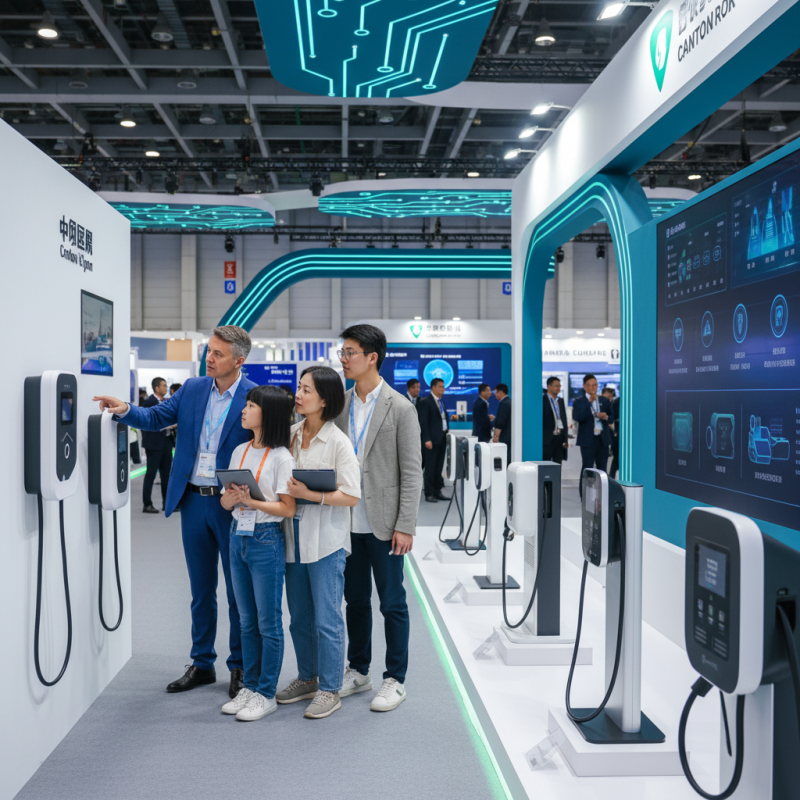
How to Choose the Right EV Charger at the 139th Canton Fair?

Choosing the Right EV Charger: Understanding Different Types and Specifications

Choosing the right EV charger requires understanding various types and specifications. Electric vehicle chargers come in three main categories: Level 1, Level 2, and DC fast chargers. Level 1 chargers use a standard household outlet and are slower. They’re ideal for overnight charging. However, they may not meet the needs of users with busy schedules.

Level 2 chargers offer a good balance. They provide faster charging with 240V outlets. According to industry reports, a Level 2 charger can add around 25 miles of range per hour. This is a significant advantage for urban drivers. On the other hand, DC fast chargers can recharge an EV to 80% in as little as 30 minutes. However, they are more complex and expensive.

Some chargers have smart features, allowing users to monitor energy usage. Yet, not all chargers work with every EV model. Compatibility issues can lead to frustration. Some buyers may overlook this detail. Additionally, installation costs can vary significantly. It's vital to research installation options and potential permits. Understanding these factors can help ensure informed decisions at trade shows like the Canton Fair.

EV Charger Types at the 139th Canton Fair

Evaluating Charging Speed: Level 1 vs. Level 2 vs. DC Fast Charging Options

When choosing the right EV charger, understanding the different charging speeds is crucial. Level 1 charging typically uses a standard household outlet. It charges slowly, adding about 5 miles of range per hour. This option is ideal for overnight charging at home. However, it may take too long for daily use.

Level 2 chargers are faster and more efficient. They can deliver up to 25 miles of range per hour, suitable for home or public installations. Many EV owners prefer this option for daily charging needs. But, they require a dedicated electrical circuit, which might not be available everywhere.

DC Fast Charging offers rapid charging capabilities. It can provide up to 80% charge in just 30 minutes. This option is perfect for long trips. However, not all electric vehicles can support this. Some models might struggle with compatibility. It's essential to consider your vehicle's specifications along with your charging habits when making a decision. Each option has its pros and cons, so weigh them carefully based on your lifestyle.

Key Features to Consider: Smart Charging, Connectivity, and Compatibility

Choosing the right EV charger at the 139th Canton Fair involves focusing on key features like smart charging, connectivity, and compatibility. As the EV market grows, so does the importance of these features. A 2023 industry report states that over 30% of EV owners prioritize smart charging capabilities. This technology allows users to schedule charging during off-peak hours, leading to cost savings and reduced grid stress.

Connectivity is vital. Many modern chargers offer mobile apps or web interfaces for remote monitoring. A survey found that 65% of users appreciate these features for real-time updates. Being able to check battery status or adjust settings remotely adds convenience. However, not all chargers offer reliable connectivity options. It’s essential to research and selects a charger with robust network support.

Compatibility cannot be overlooked. Ensure the charger works with different EV models and charging standards. A report indicates that 50% of EV owners faced issues with incompatible chargers. This can cause frustration and wasted time.

Tip: Always check if the charger supports your vehicle’s specifications.

Ultimately, while choosing an EV charger, assess how these features fit your lifestyle and future needs. Don't settle for less. Your decision impacts your EV experience significantly.

Analyzing Market Trends: EV Charger Demand and Regulatory Standards

As the 139th Canton Fair approaches, the demand for EV chargers continues to rise. The electric vehicle market has rapidly expanded, creating a need for accessible charging solutions. Market trends indicate an upward trajectory in EV adoption, pushing manufacturers to innovate. But, understanding regulatory standards is crucial for suppliers. These standards often dictate charger specifications and installation requirements.

While there is a clear demand, not every charger meets local regulations. Some manufacturers overlook the nuances of compliance. This can lead to problems in product approval. The wrong specifications could delay market entry. Suppliers must stay informed about changing regulations. Engaging with local authorities or industry experts can help navigate these complexities.

Quality and user experience also matter. A poorly designed charger may discourage users. There’s a growing expectation for smart functionalities. Proper research is essential. Understanding customer needs is key to product success. Balancing innovation with compliance can be challenging, but it’s vital in this competitive market.

Cost-Benefit Analysis: Investment in EV Chargers vs. Long-term Savings

When considering an investment in EV chargers, a cost-benefit analysis is essential. Studies show that the average EV charger installation can range from $500 to $2,000, depending on the model and setup. However, this upfront cost can lead to significant long-term savings. Businesses can save as much as $800 annually on fuel costs when switching to electric vehicles.

Investing in EV chargers not only reduces costs but also enhances property value. According to a recent report, properties with EV charging stations can experience an increase in value by up to 10%. This is crucial as demand for EVs continues to rise. With more consumers looking for eco-friendly options, offering charging solutions makes a property more appealing.

Tip: To maximize your investment, consider installing chargers in high-traffic areas. This can attract more foot traffic and potential customers. Do not overlook the growing necessity for accessible and reliable charging options. Evaluate your local market carefully. Seek feedback from potential users to refine your offering. Balancing cost and benefit is key.

How to Choose the Right EV Charger at the 139th Canton Fair? - Cost-Benefit Analysis: Investment in EV Chargers vs. Long-term Savings

Charger Type Initial Investment ($) Installation Cost ($) Annual Electricity Cost ($) Maintenance Cost/Year ($) Estimated Lifespan (Years) Total 10-Year Cost ($) Estimated Savings Over 10 Years ($)
Level 1 Charger 500 250 200 50 10 3,500 1,500
Level 2 Charger 1,200 300 150 75 10 4,500 3,500
DC Fast Charger 15,000 1,000 500 200 15 21,500 15,500

FAQS

: What is Level 1 charging?

: Level 1 charging uses a standard household outlet. It charges slowly, adding around 5 miles of range per hour.

Is Level 1 charging suitable for daily use?

It may not be ideal for daily use. Charging can take too long for regular driving needs.

What are the benefits of Level 2 charging?

Level 2 chargers are faster and efficient. They provide up to 25 miles of range per hour.

Do Level 2 chargers require special installation?

Yes, they need a dedicated electrical circuit. Not all locations may have this available.

What is DC Fast Charging?

DC Fast Charging offers rapid charging. It can charge an EV up to 80% in just 30 minutes.

Are all electric vehicles compatible with DC Fast Charging?

No, some models may struggle with compatibility. Check your vehicle’s specifications before use.

Why is smart charging important?

Smart charging allows users to schedule charging during off-peak hours. This saves money and reduces grid stress.

How does connectivity enhance the charging experience?

Connectivity allows for remote monitoring through apps. Users can check battery status and adjust settings conveniently.

What should I ensure about charger compatibility?

Always ensure the charger supports various EV models. Incompatibility can cause frustration and wasted time.

How should I assess my charger options?

Consider your lifestyle and future needs. Research features like connectivity and compatibility thoroughly.

Conclusion

When attending the 139th Canton Fair, potential buyers must understand how to choose the right EV charger for home use by evaluating various types and specifications available in the market. This includes differentiating between Level 1, Level 2, and DC fast charging options. Each charging level offers different speeds and functionalities, influencing your decision based on your specific needs.

Moreover, key features such as smart charging capabilities, connectivity options, and compatibility with different EV models should be thoroughly considered. Analyzing current market trends regarding EV charger demand and regulatory standards can provide insights into the best choices available. Finally, conducting a cost-benefit analysis is essential to weigh the investment in an EV charger against the potential long-term savings on energy costs. By following these guidelines, attendees can make informed decisions that suit their needs and lifestyles.

Isabella

Isabella

Isabella is a dedicated marketing professional with a sharp focus on driving brand growth and engagement through strategic content creation. With an extensive background in digital marketing, she combines her passion for storytelling with her keen understanding of industry trends to deliver......