How to Choose a Universal Charger for All EV Brands?

Time:2026-06-13 Author:Sienna
0%

As the electric vehicle (EV) market expands, the need for compatible charging solutions has become critical. Many EV owners want to know how to find a charger that works with all EV brands. The right charger can simplify your charging experience. This is increasingly important as new EV models enter the market regularly.

Choosing a universal charger involves understanding different charging standards. Each manufacturer may use varied technologies, leading to compatibility issues. Researching these requirements can feel overwhelming. However, familiarizing yourself with the common charging systems like CCS, CHAdeMO, and others is essential.

While finding the ideal charger, consider future-proofing your purchase. The landscape is evolving, and what suits your needs today may not align tomorrow. Therefore, investing in a charger that adapts to innovations is wise. Although there might not be a perfect solution for every consumer, informed choices can lead to better outcomes in the long run. Simply put, proper research and consideration are key to successful EV charging.
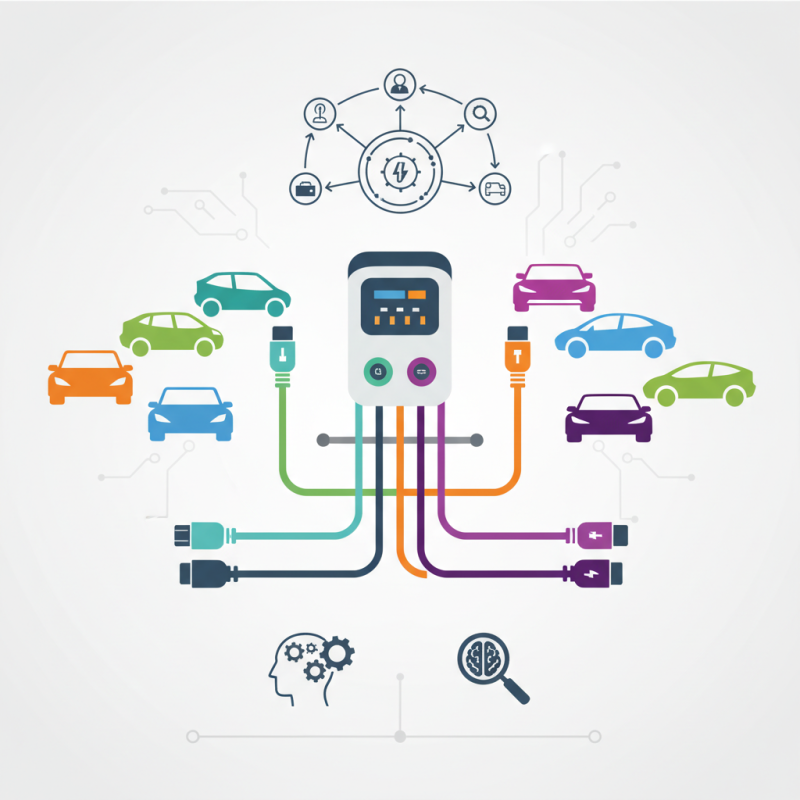
How to Choose a Universal Charger for All EV Brands?

Understanding the Importance of Universal Chargers for EVs

Universal chargers are gaining traction in the electric vehicle (EV) market. They simplify charging across different brands, promoting convenience for users. In an era where EV adoption is rapidly increasing, having a reliable charging solution is essential. Many EV owners experience frustration with incompatible chargers. This widespread issue highlights the importance of universal chargers.

A universal charger serves as a bridge between various EV brands. It can support multiple charging standards, ensuring compatibility. This versatility reduces the complexity of owning an electric vehicle. Consider the benefits of having one charger for all your devices. It saves time and space, allowing for a more organized charging setup. However, the selection of a universal charger can be daunting. Not every model is suitable for all scenarios.

It's crucial to assess factors like charging speed and safety features. Some universal chargers may fall short on safety standards. Researching customer reviews helps in identifying reliable options. Many users report issues with charging efficiency or connectivity. This reinforces the need for thorough testing and consideration before purchase. By making informed decisions, EV owners can enhance their charging experience significantly.

How to Choose a Universal Charger for All EV Brands?

Feature Importance Consideration
Charging Speed Faster charging reduces downtime for users Check power output compatibility
Connector Type Must be compatible with various EV models Choose a charger with multiple adapters
Portability Easy transport for long trips Lightweight and compact design is preferred
Safety Features Protects against overcharging and overheating Look for certifications and safety ratings
Durability Ensures longevity and reliability Consider materials used and environmental ratings
Smart Features Facilitates remote monitoring and diagnostics Check for app compatibility and updates

Key Standards and Compatibility for EV Charging Connectors

When selecting a universal charger for electric vehicles (EVs), understanding charging connector standards is essential. The most common standards include CCS (Combined Charging System), CHAdeMO, and Tesla's proprietary connector. Reports show around 70% of EVs in Europe use CCS, making it a leading choice for universal compatibility. This raises the question: will your charger support a variety of brands?

Connector compatibility affects charging efficiency and speed. The maximum output for CCS can reach 350 kW, while CHAdeMO caps at 62.5 kW. Remember, an incompatible connector may lead to slower charges or even equipment damage. Misalignment in understanding these standards could result in wasted time and frustration. Opting for a charger that supports multiple standards can mitigate potential issues.

Tip: Always check the specifications of your EV and potential chargers. Look for features like adjustable amperage and safety certifications. When in doubt, consult user reviews or expert opinions for insights.

Investing in a universal charger requires awareness of future-proofing. As EV technology evolves, newer standards may emerge. Charger manufacturers must adapt, but this can lead to discrepancies in older models. Reassess your charging options periodically to ensure they meet new industry standards.

Evaluating Charging Speed: Level 1, Level 2, and DC Fast Charging

Choosing a universal charger for all EV brands requires careful consideration of charging speed options. Electric vehicle chargers are categorized into various levels, each affecting how quickly you can power your car. Level 1 charging uses a standard 120-volt outlet and offers a slow charging speed, usually around 4-5 miles of range per hour. This method might be suitable for overnight charging, but it's not practical for most day-to-day needs.

Level 2 chargers operate on 240 volts and provide a more efficient charging rate—often between 10 to 20 miles per hour. These chargers are typically found in public charging stations and residential setups. They strike a balance between convenience and speed, making them the preferred option for many users. On the other hand, DC Fast Charging is the quickest method available. It allows for rapid charging up to 80% in approximately 30 minutes. However, it can be less readily available and may not be compatible with all EV models.

When choosing a universal charger, think about your driving habits. Do you often need a quick top-up? DC Fast Chargers might be necessary. However, heavy reliance on them poses risks, like reducing battery lifespan. Consider your options and find the right balance between speed and battery health. Empowering your EV charging experience means making informed decisions and embracing the technology available.

Assessing Safety Features and Certifications in EV Chargers

When selecting a universal charger for electric vehicles (EVs), safety features should be a primary concern. According to a recent industry report, 20% of EV users have experienced charging-related issues, highlighting the importance of robust safety protocols. Look for chargers that have undergone rigorous testing and hold certifications from recognized bodies like Underwriters Laboratories (UL) or the International Electrotechnical Commission (IEC). These certifications affirm that the charger has met stringent safety and performance standards.

One common oversight is the lack of automatic shut-off features. Chargers without this can overheat, posing a fire risk. A study published by the Electric Vehicle Infrastructure Commission suggests that chargers with this feature reduce incidents by 30%. Moreover, evaluating the protection against power surges is crucial. Many chargers claim to protect against surges, but the reality often falls short. Ensuring a charger has built-in surge protection can prevent damage to both the charger and the vehicle's battery.

Many users overlook the importance of warranty and customer support. A weak warranty may indicate potential issues. A 2023 survey found that 40% of users regretted their purchase due to inadequate support. This highlights the need to select a charger from a reliable manufacturer known for its responsive customer service. Overall, safety should remain a top priority when navigating your options.

Cost Considerations: Price Comparison and Long-Term Savings of Universal Chargers

Choosing a universal charger for electric vehicles (EVs) involves evaluating various aspects, particularly cost. The initial purchase price is crucial. Universal chargers can range from $300 to $1,000, depending on their features and compatibility. Reports indicate that investing in a higher-priced charger may lead to long-term savings. For instance, a study by the International Energy Agency shows that a robust charging solution can reduce electricity costs by 20% over five years due to efficiency improvements.

Maintenance costs also matter. Universal chargers typically require less upkeep due to their versatile design. However, some users may overlook the potential costs of repairs or replacements within the first few years. A report from the U.S. Department of Energy indicates that maintaining a universal charger may subsequently prove more economical compared to brand-specific chargers, which can have higher repair fees.

Lastly, consider the charging speed and capability, which can impact overall savings. Faster chargers may have higher upfront costs, but they provide quicker energy delivery. Users might need to balance immediate expenses against future utility savings. It’s essential to analyze usage patterns, as they can guide which charger could be the most cost-effective solution in the long run.

Cost Considerations of Universal Chargers

FAQS

: Why are universal chargers important for EVs?

: Universal chargers simplify charging across different EV brands, promoting convenience and reducing frustration for users.

What should I consider when choosing a universal charger?

Assess charging speed, safety features, and compatibility with various standards before making a decision.

What are the common EV charging connector standards?

The most common standards include CCS, CHAdeMO, and Tesla's proprietary connector.

How can connector compatibility affect my charging experience?

Incompatible connectors may result in slower charging or even damage to equipment, wasting time and resources.

How do I ensure a universal charger is safe to use?

Check for safety certifications and read customer reviews to identify potential issues with the charger.

What should I do if I experience charging inefficiency?

Research user feedback and troubleshoot connections, adjusting settings if necessary for better efficiency.

How often should I reassess my charging options?

Periodically review chargers to ensure they meet evolving standards and are suitable for new EV technologies.

Can I use a universal charger for all EV brands?

Not all universal chargers are compatible with every brand; check specifications before use.

What are some drawbacks of universal chargers?

Some may lack specific features or safety standards, leading to potential inefficiencies or compatibility issues.

What is the maximum output for common charging standards?

CCS can reach up to 350 kW, while CHAdeMO is limited to 62.5 kW.

Conclusion

Choosing a universal charger for electric vehicles (EVs) is crucial for enhancing convenience and efficiency in the transition to electric mobility. To determine how to find a charger that works with all EV brands, it is essential to understand the importance of universal compatibility, focusing on key standards and the various charging connectors available. Evaluating the charging speed is also vital, as Level 1, Level 2, and DC Fast Charging options cater to different needs.

Safety features and certifications should not be overlooked, as they ensure the reliable operation of chargers across different EV models. Furthermore, cost considerations play a significant role; comparing prices and understanding the long-term savings of investing in a universal charger can lead to smarter financial decisions. Overall, a systematic approach to these factors will enable EV owners to select a universal charger that best suits their needs and promotes a seamless charging experience.

Sienna

Sienna

Sienna is a skilled marketing professional with a deep expertise in our company’s core products and services. With a passion for innovation and detail, she plays a pivotal role in crafting insightful blog posts that not only highlight the unique features of our offerings but also provide valuable......