Choosing the right electric vehicle (EV) charger for home use is crucial for maximizing your charging efficiency. According to David Lee, a noted expert in EV infrastructure, "Selecting the right charger can significantly impact your EV ownership experience." With various options available, understanding how to choose the right EV charger for home becomes vital.
Home chargers vary in power levels and features. It's essential to consider factors like charging speed, compatibility with your vehicle, and installation requirements. A Level 2 charger typically provides faster charging, but it may incur higher installation costs. Evaluating your daily driving habits can also affect your choice. If you drive long distances regularly, investing in a high-quality charger may be worth it.
Another aspect to consider is the charger’s smart features. Some chargers allow for app control, scheduling, and monitoring. However, not all users need these additional functionalities. Reflecting on what you truly need in a home charger can help guide your decision. Balancing cost, functionality, and convenience is essential in this endeavor.
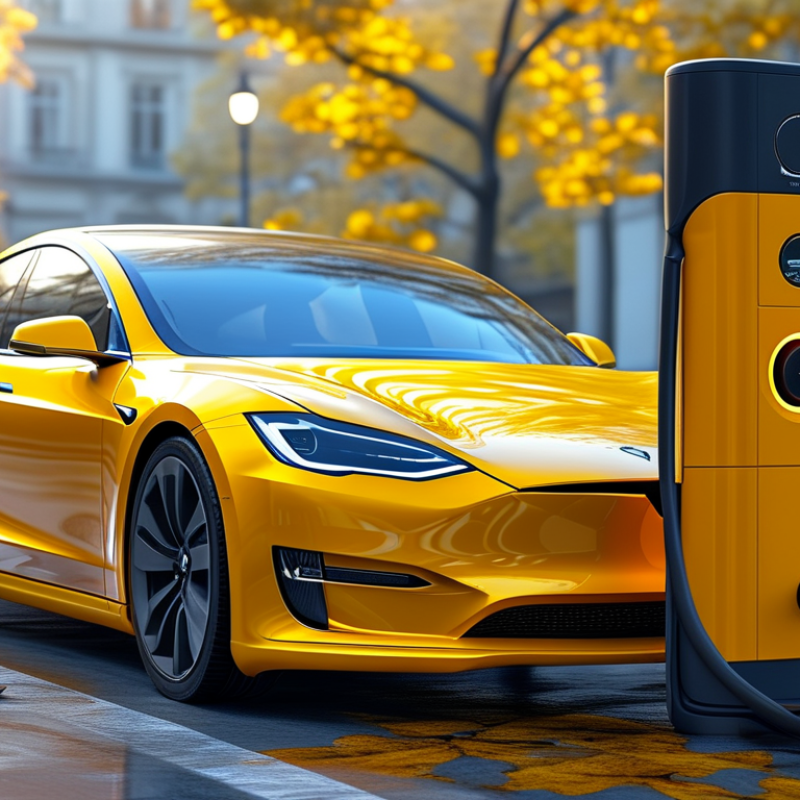
Understanding the Importance of Selecting the Appropriate EV Charger
When it comes to electric vehicles (EVs), selecting the right charger is critical. Not all chargers are built equally. A suitable home charger can significantly impact your EV’s performance and convenience. Over time, poor charging choices may lead to inefficiencies that waste energy and time.
Consider your driving habits. Do you need to charge daily, or will you use it only once in a while? Knowing your routine helps in deciding the charger type. Some chargers have faster charging capabilities, which can be costly. Yet, they might not fit everyone’s lifestyle. It’s essential to find a balance between speed and cost-effectiveness.
Installation is another important factor. Not every home can accommodate every type of charger. You may need to consult an electrician for proper installation. This step is often overlooked but can lead to potential hazards if ignored. Proper planning and understanding your home’s electrical capacity are vital to ensure safe usage.
Different Types of EV Chargers Available for Home Use
When selecting an EV charger for home use, understanding the different types available is crucial. There are primarily three categories: Level 1, Level 2, and DC Fast Chargers. Level 1 chargers use a standard household outlet and are the least expensive. However, they are slower and can take over 20 hours to fully charge an EV. This is a viable option for those who drive less, but not ideal for daily commuters.
Level 2 chargers are more popular among homeowners. They deliver faster charging speeds, typically within 4 to 8 hours for most EVs. According to the U.S. Department of Energy, installing a Level 2 charger can reduce charging time by up to 80%. This is a worthwhile investment, especially given the increasing number of electric vehicles on the road. Still, many may hesitate due to installation costs or available electrical infrastructure.
Tips: Assess your daily travel needs. If you frequently drive longer distances, a Level 2 charger will likely serve you best. Keep in mind that the right electrical setup is essential. It’s advisable to consult with a certified electrician before installation to ensure safety and compliance with local codes. It’s also worth noting that future upgrades to home energy systems, such as solar panels, can impact your charging needs, leading to more efficient energy usage.
Why You Should Choose the Right EV Charger for Home Use?
This chart illustrates the different types of EV chargers available for home use and their respective charging speeds. Choosing the right charger can significantly impact the efficiency of charging your electric vehicle at home.
Factors to Consider When Choosing an EV Charger for Your Home
Choosing the right EV charger for your home is essential. The factors to consider include charging speed, compatibility, and location. Charging speeds vary widely.
Level 1 chargers take longer to charge, often over 12 hours for a full charge. Level 2 chargers offer quicker charging, around 4 to 6 hours. According to the U.S. Department of Energy, a Level 2 charger is the best option for most EV owners.
Compatibility is another key factor. Not all chargers work with every EV model. Check the specifications of both the charger and your vehicle. The U.S. market shows that about 80% of EVs are compatible with standard Level 2 chargers. However, some models may need specific connectors. Researching this can save you time and money.
Lastly, location matters. Install the charger close to your parking space and consider your home’s electrical capacity. Some homes may need electrical upgrades to handle a Level 2 charger. The home charging market is evolving, and improper installation can lead to issues. Data indicates that improper installations can cause safety hazards, adding to the importance of hiring qualified professionals. Evaluate these factors carefully to ensure a seamless EV charging experience.
Benefits of Installing the Right EV Charger for Electric Vehicles
Choosing the right EV charger for home use is crucial for a seamless electric vehicle experience. With the rise of electric vehicles (EVs), charging infrastructure must keep pace. According to the International Energy Agency, global EV sales reached 6.6 million units in 2021, a 108% increase from the previous year. This surge highlights the importance of reliable charging solutions at home.
Installing the appropriate EV charger offers numerous benefits. A Level 2 charger can significantly reduce charging time. Estimates show that these chargers can deliver 24 to 30 miles of range per hour, making daily use more convenient. Moreover, having a home charger can alleviate reliance on public stations, which might be crowded or malfunctioning. Having your own charger provides peace of mind, knowing you can start each day with a full battery.
Yet, not all chargers are created equal. Factors like installation costs and compatibility with your vehicle type can impact your decision. The U.S. Department of Energy suggests consumers consider their energy needs and available electric capacity. Choosing a charger without careful thought may lead to frustration or additional expenses in the future. Reflection on personal requirements is key to making the best choice for your household.
Why You Should Choose the Right EV Charger for Home Use? - Benefits of Installing the Right EV Charger for Electric Vehicles
| Dimension |
Description |
Impact |
| Charger Speed |
The rate at which the charger can deliver power to the vehicle. |
Faster charging reduces downtime and enhances convenience. |
| Power Output |
The amount of electrical energy the charger provides, generally measured in kilowatts (kW). |
Higher output can charge vehicles quicker, leading to more efficient energy use. |
| Smart Features |
Integration of smart technology for remote monitoring and scheduling. |
Enhances user convenience and can help save on energy costs. |
| Safety Features |
Built-in safety measures such as surge protection and automatic shutoff. |
Minimizes risks of electric shocks and protects the vehicle's battery. |
| Installation Requirements |
Considerations such as home electrical capacity and physical space. |
Proper installation ensures optimal performance and safety. |
| Cost |
Initial price of the charger and installation costs. |
Budgeting is essential to ensure a sustainable investment over time. |
How the Right Charger Can Enhance Your EV's Performance and Longevity
Choosing the right EV charger for home use significantly impacts your electric vehicle's performance and longevity. A suitable charger provides efficient power delivery, ensuring your battery maintains optimal health. Different chargers offer varying charging speeds, which can affect daily usability. Selecting the correct amperage is crucial. Too high a current can generate excessive heat, while too low may slow down charging times.
Tips: Look for chargers with adjustable amperage settings. This feature allows you to customize the charging speed based on your daily needs. Perform regular checks to keep the charger in good condition. Ensure all connections are clean and free from damage. A simple cleaning can prevent potential issues.
Moreover, consider your local electrical system. An overloaded circuit can lead to disruptions and inefficient charging. Understanding your home’s power supply can prevent unpleasant surprises. Lastly, don't forget to assess your EV's requirements. Each model has unique charging needs. Mismatched chargers can lead to poor performance over time. Investing effort in selecting the right charger pays off in the long run.
FAQS
: The main types are Level 1, Level 2, and DC Fast Chargers. Level 1 is the slowest, while Level 2 is more popular for home use.
A Level 1 charger can take over 20 hours to fully charge an EV, which is impractical for daily commuters.
Level 2 chargers are faster, typically charging most EVs within 4 to 8 hours, reducing charging time significantly.
Assess your daily travel needs and consult a certified electrician. Your home's electrical setup is crucial for safe installation.
Yes, the right charger ensures efficient power delivery and maintains optimal battery health, enhancing performance and longevity.
Using a mismatched charger can lead to poor performance and potential battery issues over time. It’s important to match your charger with your EV's requirements.
Perform regular checks to keep the charger clean and ensure all connections are undamaged. This helps prevent potential issues.
An overloaded circuit can cause disruptions and inefficient charging. Understanding your home’s power supply is essential for smooth operation.
Look for adjustable amperage settings. This allows customization of charging speed based on your daily usage needs.
Future upgrades, like installing solar panels, can change your charging needs. Consider this when choosing your charger for better efficiency.
Conclusion
Choosing the right EV charger for home use is crucial for optimizing the charging experience of your electric vehicle. Understanding the importance of selecting the appropriate charger involves recognizing the various types available, such as Level 1 and Level 2 chargers, and their compatibility with your vehicle and home setup. Factors to consider when choosing an EV charger include charging speed, installation requirements, safety features, and costs.
Installing the right EV charger not only ensures efficient and safe charging but also enhances the performance and longevity of your electric vehicle. Understanding how to choose the right EV charger for home can lead to significant benefits, such as reduced charging times and improved overall vehicle maintenance. By making an informed decision, you can enjoy a more seamless and rewarding electric vehicle ownership experience.

 Midwest Charger