Outdoor electric vehicle charging stations work through rain, heat, dust, and constant public use. Their reliability depends on small maintenance decisions made before faults become expensive failures. This guide explores China’s top 10 outdoor EV charging station maintenance tips, based on practical site observations and manufacturer recommendations.
So, what are the maintenance tips for outdoor charging stations? They include inspecting cables, cleaning connectors, checking enclosure seals, testing protection devices, reviewing charging performance, and updating software safely. Technicians should examine cracked insulation, loose terminals, water marks, and unusual heat around the plug. Small faults grow. A blocked cooling vent can raise internal temperatures during a busy afternoon. UV exposure may also make plastic covers brittle, even when the station still appears functional.
A reliable maintenance plan needs clear records, trained personnel, and procedures suited to the station’s model. Local electrical requirements and the manufacturer’s service manual should guide every inspection. Remote monitoring can reveal repeated charging interruptions, but it cannot replace an occasional physical check. That is where some plans fall short. A checklist is never perfect, especially after construction dust, winter moisture, or accidental vehicle contact. Careful teams review their process after each failure and improve it. These practical habits help operators protect users, reduce downtime, and extend equipment life without overlooking ordinary details.
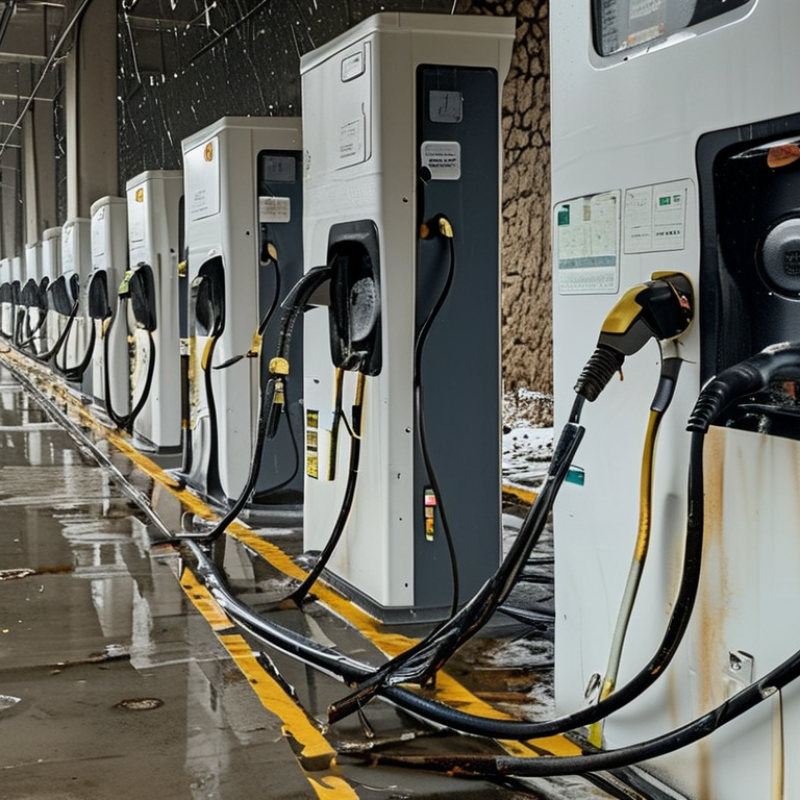
Outdoor EV Charging Station Maintenance Basics and Safety Standards
Outdoor EV charging stations face rain, dust, salt, sunlight, and repeated cable movement. A practical maintenance plan should follow the manufacturer’s instructions and applicable national electrical standards. Qualified technicians should inspect the enclosure, connectors, cables, grounding, and protective devices at scheduled intervals.
Check for cracked seals, loose terminals, corrosion, damaged insulation, and unusual heat marks. Keep vents and drainage paths clear. Never wash a live charger with a high-pressure hose. Water can enter through small gaps. Verify the enclosure’s weather-protection rating remains suitable for its location. Use calibrated instruments to test insulation resistance, grounding continuity, and residual-current protection. Test emergency isolation controls regularly.
The charging area also needs safe lighting, visible warning signs, impact protection, and clear access. Cables should not lie across walking paths or collect standing water. Technicians must isolate power before opening equipment and record every inspection result. Thermal scanning can reveal loose connections before they become dangerous. Small faults matter.
A checklist is useful, but it can create false confidence. A recently cleaned cabinet may still contain hidden moisture. Seasonal inspections are wise in coastal or freezing regions. Review failed charging sessions and user reports, since repeated errors may indicate deeper electrical or communication problems. Follow local authority requirements whenever maintenance changes wiring, protection, or site capacity.
Routine Inspection of Cables, Connectors, Screens, and Housing
Outdoor EV charging stations face rain, dust, sunlight, and repeated cable movement. Routine inspection should begin with the charging cable. Look for cuts, flattened sections, exposed wires, burn marks, or stiff insulation. Check the strain relief where the cable enters the housing. It should remain firm, not twisted or loose. Keep the connector clean and dry. Inspect its pins for corrosion, discoloration, or bent metal. Do not force a damaged connector into a vehicle. Isolate the equipment and use a qualified technician when electrical damage appears. Do not rush this check.
The screen also needs careful attention. Confirm that displayed instructions are readable in bright daylight and after dark. Test touch response across the full surface, not only the center. Moisture behind the screen, cracked glass, or delayed messages can indicate a sealing or control problem. Inspect the housing for dents, rust, loose panels, and blocked ventilation openings. Pay close attention to door seals and cable entry points, where water often finds a path. A clean exterior is not proof of safe operation. Record photos, inspection dates, visible defects, and corrective actions. Small defects are easy to dismiss during busy periods, but repeated heat and weather can enlarge them. Follow site procedures and applicable electrical requirements before returning the station to service.
Weatherproofing, Cleaning, Ventilation, and Pest Prevention
Outdoor EV chargers face rain, dust, heat, and insects. Coastal salt and seasonal flooding add pressure in China. The IEA’s Global EV Outlook 2024 reports more than four million public charging points worldwide in 2023. Growth makes routine care harder to postpone. Inspect enclosure seals, cable jackets, plugs, glands, and drainage paths weekly. Keep cabinets above likely standing water. Check mounting bolts and visible corrosion. Replace damaged seals early. Small gaps become expensive faults.
Clean screens with a dry, lint-free cloth. Never aim high-pressure water at connectors. Remove dust from vents and cooling channels monthly. Keep the specified clearance around air inlets. Thermal alarms deserve same-day inspection, not a reset. DOE Alternative Fuels Data Center guidance recommends regular inspection and safe equipment maintenance. Log temperatures, error codes, cleaning dates, and replaced parts. Good records reveal repeated overheating. They also expose weak assumptions. A checklist helps, but it is not magic.
Seal cable entries with approved weather-resistant fittings. Do not block ventilation with improvised foam. Inspect for ants, rodents, nests, and droppings around cabinets and conduits. Remove food waste nearby. Use site-approved, non-toxic pest prevention methods. After storms, check moisture indicators, breakers, and insulation warnings before reopening service. Water intrusion needs independent electrical verification. IEA data shows rapid infrastructure growth, but maintenance staffing often lags. That gap deserves honest review.
Electrical Testing, Software Updates, and Fault Diagnosis
Outdoor EV charging stations face rain, dust, heat, and unstable grid conditions. The IEA’s Global EV Outlook 2024 reports nearly four million public charging points worldwide by the end of 2023. That scale makes disciplined maintenance essential. Technicians should inspect cable insulation, plugs, cooling fans, grounding, contactors, surge protection, and enclosure seals. They should also clean air vents and check drainage after storms. Small cracks matter.
Electrical testing should follow documented procedures. Measure insulation resistance, protective-earth continuity, residual-current protection, voltage, and charging output under load. Record readings before and after repairs. The U.S. National Renewable Energy Laboratory’s Q1 2024 charging infrastructure report tracks more than 180,000 public charging ports nationally, showing why consistent testing records support reliability at scale. Use calibrated instruments. Never guess.
Software deserves equal attention. Verify firmware versions, certificate status, time synchronization, payment communication, and network connectivity. Apply updates during low-demand periods, then test several charging sessions. Fault diagnosis should begin with event logs, error codes, temperature readings, and connector inspection. Separate a damaged cable from a failed power module. It saves time. After every reset, confirm the station delivers stable current, ends sessions correctly, and reports energy accurately. Some faults disappear briefly, which is inconvenient and easy to misread. Maintenance teams should review repeat failures monthly, compare field notes, and revise inspection intervals when weather or usage changes. The process is not perfect; overlooked details still happen.
Preventive Maintenance Scheduling, Records, and Emergency Repairs
China Top 10 Outdoor EV Charging Station Maintenance Tips
Preventive maintenance works best when it follows real site conditions, not a copied calendar. In China, outdoor stations face rain, dust, heat, cold, and heavy daily use. Inspect charging cables, connectors, screens, emergency-stop buttons, grounding points, and cabinet seals every week. Check drainage after storms. Look for water marks, loose terminals, cracked insulation, and unusual heat. Clean connectors with approved methods, never improvised liquids. Replace damaged parts before they become user hazards.
Create a maintenance schedule with weekly, monthly, quarterly, and annual tasks. Record the date, technician, meter readings, fault codes, photos, weather, and corrective action. A useful record explains what changed after repair. Our early records listed completed tasks but missed recurring connector failures. That mistake showed why trend reviews matter. Compare repeated alarms, rising temperatures, and longer charging times each month. Keep records securely and limit access to authorized personnel.
Emergency repairs need a clear response plan. Isolate the affected charger, display an out-of-service notice, and protect the surrounding area. Only qualified technicians should open electrical cabinets or test live equipment. Keep spare fuses, seals, connector covers, and approved tools available. After power restoration, test insulation, grounding, communication, and charging output. Record the failure’s cause, not only the replacement part. Sometimes, the first repair is incomplete. A second inspection can prevent a repeat outage.
China Top 10 Outdoor EV Charging Station Maintenance Tips
The chart presents a practical preventive-maintenance schedule for outdoor EV charging stations. Shorter intervals are assigned to safety-critical and weather-exposed checks, while detailed electrical testing and documentation are scheduled less frequently. Actual intervals should be adjusted to local regulations, manufacturer instructions, climate, usage, and site risk.
FAQS
: Look for cuts, flattened areas, exposed wires, burn marks, and stiff insulation. Check the strain relief for looseness or twisting. Do not use visibly damaged cables.
Keep connectors clean and dry. Inspect pins for corrosion, discoloration, or bent metal. Never force a damaged connector into a vehicle. Use approved cleaning methods only.
Test touch response across the entire screen. Check readability in daylight and darkness. Moisture, cracked glass, delayed messages, rust, and blocked vents need investigation. A clean exterior proves little.
Inspect seals, cable jackets, plugs, glands, and drainage paths weekly. Keep cabinets above likely standing water. Replace damaged seals early. Small gaps become larger faults.
Remove dust from vents and cooling channels monthly. Keep the required clearance around air inlets. Check for ants, rodents, nests, and droppings. Do not block vents with improvised foam.
Record inspection dates, technicians, photos, weather, temperatures, fault codes, and repairs. Track replaced parts and meter readings. Review repeated alarms and longer charging times. A checklist is useful, but not magic.
Use weekly, monthly, quarterly, and annual tasks. Adjust the schedule for rain, dust, heat, flooding, and heavy usage. Inspect after severe storms. Copied calendars can miss real site conditions.
Isolate the affected station and display an out-of-service notice. Protect the surrounding area. Only qualified technicians should open electrical cabinets. After restoration, test insulation, grounding, communication, and charging output. The first repair may be incomplete.
Check moisture indicators, breakers, insulation warnings, seals, and drainage. Qualified personnel should independently verify electrical safety. Record the cause, not only the replaced component. Do not rush reopening.
Conclusion
This guide explains what are the maintenance tips for outdoor charging stations and how to keep them safe, reliable, and efficient throughout the year. It covers essential safety standards, routine inspections of charging cables, connectors, screens, housings, and protective components, as well as practical methods for cleaning equipment, preventing water damage, improving ventilation, and limiting pest-related problems. Regular checks can identify wear, loose connections, corrosion, overheating, and physical damage before they become serious faults.
The article also highlights electrical testing, software and firmware updates, fault diagnosis, and safe procedures for addressing abnormal operation. A preventive maintenance schedule should define daily, monthly, seasonal, and annual tasks, while accurate service records help identify recurring issues and plan future work. When emergencies occur, operators should isolate unsafe equipment, follow established response procedures, and arrange qualified repairs promptly. Consistent maintenance protects users, reduces downtime, extends equipment life, and supports dependable outdoor charging performance in changing weather conditions.

 Midwest Charger