As electric vehicles (EVs) become more popular, knowing how to calculate how long it takes to charge my EV is essential for all drivers. By 2026, advancements in technology will significantly impact charging times. Nonetheless, estimates will still depend on several variables, such as battery capacity and voltage. Understanding these factors is crucial for effective planning.
When considering charging time, you must account for charger types and their power levels. Level 1 chargers are the slowest, while Level 3 chargers provide a rapid solution. It's easy to get lost in technical details, and this can lead to confusion. Familiarizing yourself with these specifics can provide clarity. Choosing the right charger ensures efficient energy use.
In the quest to determine charging time, it’s vital to gather accurate information. Misinformation can lead to frustration or poor decision-making. Relying on trusted data sources and manufacturer guidelines enhances reliability. With careful planning, you can maximize your EV's charging efficiency and enjoy a seamless driving experience. Tracking charging habits may reveal insights into better practices too.
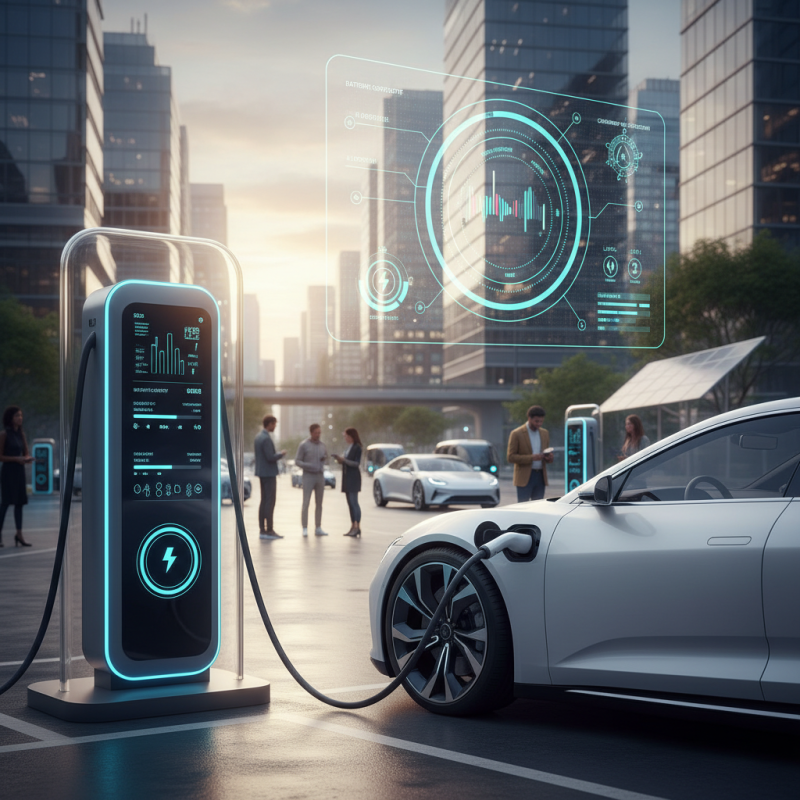
Understanding battery capacity is crucial for EV owners. The capacity, measured in kilowatt-hours (kWh), indicates how much energy the battery can store. A higher capacity usually means a longer range, allowing for longer trips. For example, a car with a 75 kWh battery can offer a range close to 300 miles, depending on driving conditions and efficiency.
However, it's important to reflect on charging practices. Many users underestimate the impact of battery age and temperature on performance. Older batteries may not hold a charge as well, affecting range. Temperature extremes can reduce battery efficiency, especially in cold weather. A battery’s health is not static; monitoring it is crucial for long-term use.
When calculating charging time, you need to know the battery's state of charge (SoC). If your battery is at 20% and has a capacity of 60 kWh, you’ll need to charge at least 48 kWh to reach full capacity. This requires understanding your charger’s output. A fast charger may deliver power quickly, but not all chargers are equal in speed. Charging times can vary based on several factors, including battery condition and external temperatures.
As electric vehicles (EVs) continue to gain popularity, understanding the types of charging stations is essential. Charging stations differ mainly in terms of their speed and power output.
Level 1 stations offer a slow but convenient option, perfect for overnight charging at home. They typically use a standard 120-volt outlet and may provide 4 to 5 miles of range per hour. This is ideal for those with long enough nights and minimal daily driving.
Level 2 stations are a more efficient choice. They use 240-volts, providing approximately 10 to 60 miles of range per hour. These chargers are ideal for homes and public locations. However, their availability can vary, and some users may feel frustrated if a charging spot is occupied when needed.
There are also DC fast chargers, which deliver a large amount of power quickly. They can charge an EV to around 80% in just 30 minutes. But access to these stations can sometimes be limited, and infrastructure development may not keep pace with growing demand.
Understanding these charging options helps EV owners plan their charging strategies. Different environments and needs might lead to varying charging patterns. It is crucial to assess local charging availability and occasionally rethink your home charging setup. The future of EV charging will depend on how effectively we adapt to these changes and embrace technological advancements.
Calculating the charging time for an electric vehicle (EV) in 2026 involves understanding your battery's current level and the power of your charger. Charging time can vary widely based on these two factors. The formula used is simple: Charging Time (hours) = Battery Capacity (kWh) / Charger Power (kW). For instance, a 60 kWh battery connected to a 7.2 kW charger would require about 8.3 hours of charging time from empty to full.
When assessing the power of your charger, consider the average charging speed. Level 2 chargers typically provide around 10-30 miles of range per hour of charging, depending on the vehicle efficiency. It's essential to note that actual charging times can be longer due to battery management systems that reduce power as the battery approaches full capacity. Understanding these dynamics ensures you make informed decisions about your EV charging plans.
Tip: Always check your battery's state of charge. If it's above 20%, you might want to delay charging to optimize battery health. Another tip is to use smart charging features to take advantage of off-peak electricity rates. Watching the charging habits can help in maximizing efficiency.
Charging time for electric vehicles (EVs) in 2026 will be influenced by several critical factors. Temperature plays a significant role. Studies show that battery efficiency drops in extreme cold or heat. For instance, a report from the International Energy Agency indicates that at freezing temperatures, charging times can increase by 20% or more. In contrast, very high temperatures can degrade battery life, leading to longer charging cycles.
The age of the battery also affects charging efficiency. As a battery ages, its capacity to hold a charge diminishes. According to a 2023 study by the Battery University, batteries lose around 2% of their capacity each year. This decline can significantly increase charging times, pushing them to levels that may frustrate users. Regularly monitoring battery health is essential for optimizing charging times.
Usage patterns of EVs cannot be overlooked. Frequent fast charging can lead to quicker wear and tear, affecting overall charging time. The EV research community emphasizes maintaining a balance between fast and slow charging. Charging habits must adapt to ensure battery longevity while aiming for efficient charging sessions. Reflecting on these factors can help EV users make informed decisions in an evolving landscape.
The rapid evolution of electric vehicle (EV) charging technology promises a transformative experience by 2026. Innovations like ultra-fast charging stations are emerging. These stations can deliver up to 350 kW, drastically reducing charging times. According to a recent industry report, this could cut downtime to as little as 15 minutes for a significant charge.
However, challenges remain. Not all EVs will support these new standards. Users must be aware of their vehicle's maximum charging capability. This knowledge is vital to maximize efficiency and plan trips effectively. As charging infrastructure expands, understanding how to leverage these advancements will be key.
Tips: Regularly check for updates on charging technology. Apps can help locate the fastest chargers nearby. Also, consider timing your charges during off-peak hours to benefit from potential lower rates.
Stay informed on local regulations, as they may impact access to advanced charging stations. While rapid advancements offer promise, the industry's pace of development may lead to discrepancies in user experience. Reflecting on these evolving technologies will be crucial for future EV owners.
: Charging stations vary in speed and power output. Level 1 is slow but convenient, while Level 2 is more efficient.
Level 1 offers 4-5 miles of range per hour. Level 2 provides 10-60 miles of range per hour.
DC fast chargers can charge an EV to about 80% in 30 minutes. Access may be limited in some areas.
Use this formula: Charging Time (hours) = Battery Capacity (kWh) / Charger Power (kW).
Charging times can be longer due to battery management systems, which reduce power as batteries approach full capacity.
If the charge is above 20%, consider delaying charging to optimize battery health and longevity.
Innovations include ultra-fast charging stations, which could deliver up to 350 kW, cutting charging downtime significantly.
Understanding your vehicle's limits is vital to maximize charging efficiency and plan trips effectively.
Use smart charging features and charge during off-peak hours to take advantage of lower electricity rates.
The pace of development may create discrepancies in user experience and access to the latest charging stations.
In the evolving landscape of electric vehicles (EVs), understanding how to calculate how long it takes to charge my EV is crucial for users. This involves grasping the battery capacity of your vehicle and recognizing the types of charging stations available, each with varying charging speeds. By assessing the current battery level and the power output of the charger, you can determine the estimated charging time.
Several factors influence charging duration, including temperature, the age of the battery, and individual usage patterns. As technology advances, future innovations in EV charging are expected to further streamline the charging process, making it faster and more efficient. By staying informed about these elements, EV owners can optimize their charging experience and adapt to the needs of their vehicles in 2026 and beyond.

Midwest Charger