Choosing the right wire size for your EV charger is essential for safety and efficiency. Many ask, "what is the best wire size for a 32 amp EV charger?" This question is crucial as it directly impacts performance and durability. A wire that is too small may overheat, leading to potential hazards.
Experts recommend using the right gauge wire to handle the current load safely. The National Electric Code (NEC) provides guidelines, but they can be confusing. Factors like distance from the power source and installation environment also play significant roles. For a 32 amp charger, a common choice is 6 AWG copper wire. This size effectively supports the necessary current flow.
However, it's important to note that choosing the best wire isn't always straightforward. Every installation has unique challenges. Always reflect on your specific needs, and consult with professionals when in doubt. Safety should always come first in electrical installations.
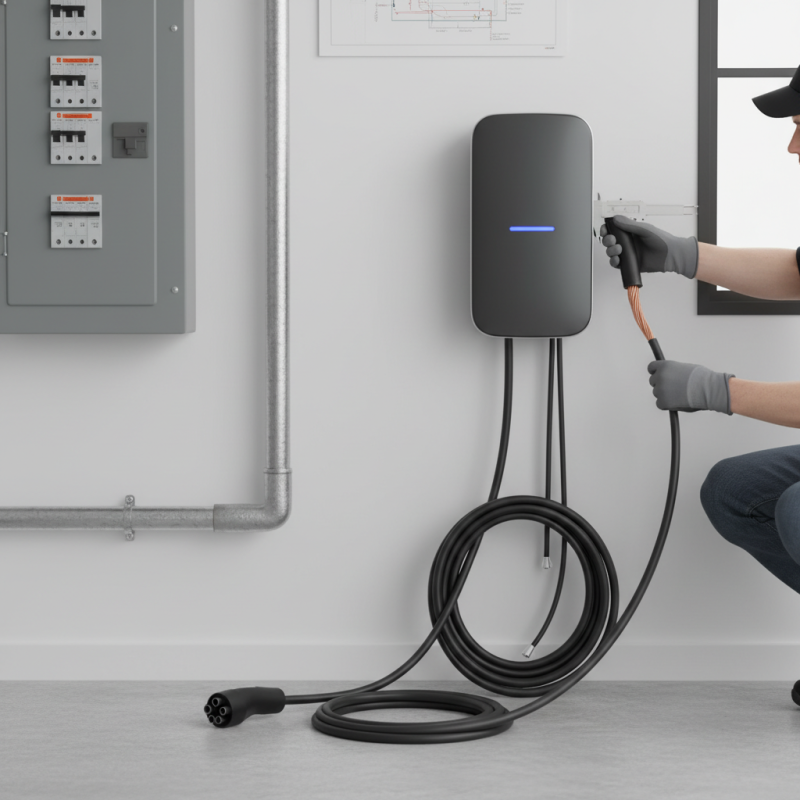
Understanding Amperage and Wire Gauge Basics for EV Chargers
When selecting the right wire size for a 32 Amp EV charger, understanding amperage and wire gauge is crucial. Amperage indicates how much electric current flows through a wire. For a 32 Amp EV charger, the National Electrical Code (NEC) suggests using a wire gauge of 6 AWG copper or 4 AWG aluminum. This recommendation stems from the fact that copper is more conductive than aluminum, reducing resistance and heat generation.
Wire gauge impacts safety and performance. Insufficient wire sizes can lead to overheating and potential fire hazards. According to the Electrical Safety Foundation International (ESFI), up to 31% of electrical fires are linked to faulty wiring. Therefore, choosing the correct gauge is critical for long-term reliability. Additionally, temperature ratings of the wire should not be overlooked. Cables rated for 75°C are recommended, particularly in residential settings where ambient temperatures may rise.
Cost factors can complicate decisions about wire choices. While thicker wire, such as 6 AWG copper, may have a higher upfront cost, the long-term benefits often outweigh the initial investment. Thinner wires may save money initially but could lead to increased energy losses and safety risks. Balancing cost with quality requires careful thought. Striving for optimal performance is, at times, a difficult task in this rapidly evolving EV landscape.
Best Wire Size for 32 Amp EV Charger
| Wire Gauge (AWG) |
Ampacity (Amperes) |
Recommended Length (Feet) |
Material |
| 8 AWG |
40 Amps |
Up to 100 ft |
Copper |
| 6 AWG |
55 Amps |
Up to 75 ft |
Copper |
| 10 AWG |
30 Amps |
Up to 50 ft |
Copper |
| 8 AWG |
40 Amps |
Up to 150 ft |
Aluminum |
| 6 AWG |
55 Amps |
Up to 100 ft |
Aluminum |
Factors Influencing Wire Size Selection for a 32 Amp EV Charger
When choosing the wire size for a 32 Amp EV charger, it's vital to understand several influencing factors. The wire's current-carrying capacity is critical. Larger wire sizes can handle higher currents without overheating. Temperature ratings also affect this capacity. Hot environments reduce a wire's effectiveness. Ensure your installation location remains cool to maintain optimal performance.
Length of the wire run matters too. Longer distances increase resistance. This can lead to voltage drops, causing inefficient charging. For runs exceeding 50 feet, consider upsizing the wire gauge to offset this loss. Always account for local electrical codes. These regulations ensure safety and performance standards are met.
Tips:
Choose a wire with a thicker gauge for longer distances. This helps reduce energy loss and maintain charging efficiency. Always use a wire type suitable for outdoor conditions if necessary. Remember, professional installation ensures compliance with safety standards.
Best Wire Size for 32 Amp EV Charger
This chart illustrates the recommended wire sizes based on different distances for a 32 Amp EV charger. As the distance increases, a larger wire size is needed to reduce voltage drop.
Recommended Wire Types for Optimal Performance of EV Chargers
When choosing a wire for a 32 Amp electric vehicle (EV) charger, the type of wire you select is crucial for performance.
Copper wire is typically recommended due to its excellent conductivity.
This type ensures minimal resistance, which enhances charging efficiency.
Aluminum wires are an option as well, but they may not perform as efficiently over long distances.
Consider the American Wire Gauge (AWG) ratings for your setup. For a 32 Amp charger, a 6 AWG copper wire is often suitable.
If your installation requires longer distances, a thicker gauge may help mitigate voltage drop. Always check local codes and consult a professional for compliance.
Tips for wire selection: Always prioritize safety.
Using the correct gauge prevents overheating. When in doubt, opt for a thicker wire.
Also, pay attention to the insulation type. Thermoplastic or thermoset materials can offer added protection against environmental damage.
Keep in mind that improper installation can lead to inefficiencies and safety hazards.
Regular inspections of your wiring are essential to ensure optimal performance.
Safety Considerations When Choosing Wire Size for EV Charging Stations
When selecting wire size for a 32 Amp electric vehicle (EV) charger, safety must be a priority. The right wire gauge ensures optimal performance while reducing the risk of overheating. A mistake here could lead to safety hazards, such as electrical fires. Therefore, it’s essential to understand the ampacity, or carrying capacity, of different wire sizes. Use the National Electrical Code (NEC) guidelines as a reliable source for determining the appropriate wire gauge.
Consider ambient temperature and installation conditions, as these factors influence wire performance. For example, wires installed in conduits or bundled together may require larger sizes. Additionally, consider the length of the wire run. Longer runs may need thicker wires to reduce voltage drop. This means that a 6-gauge wire might be suitable for some settings, while a thicker 4-gauge may be necessary in others.
Making a decision based on mere assumptions can lead to oversights. Not only is safety compromised, but so is charging efficiency. Reflect on your installation environment. If in doubt, consult a certified electrician to ensure compliance with local codes. Proper knowledge and attention to detail provide assurance that your EV charging setup is safe and effective.
Installation Guidelines for 32 Amp EV Charger Wiring
When planning the installation of a 32 amp EV charger, choosing the right wire size is critical. The ideal wire gauge is determined by several factors, including the length of the run and the load. Commonly, a 6 AWG copper wire is recommended for this kind of amperage. This size supports safety and efficiency for charging. It's essential to comply with local electrical codes and regulations to ensure a safe installation. Always consult a licensed electrician if you have questions.
Consider the installation environment as well. If the wire runs outdoors or through conduits, a larger gauge might be necessary to reduce voltage drop. Moreover, it's vital to use wires rated for the specific type of charger you are installing. Incorrect wiring could impair performance or, worse, create fire hazards. Evaluating factors like temperature and insulation rating can further help in making informed decisions.
Even with all precautions, mistakes can happen. It's wise to double-check all connections and ensure the wire is properly secured. Regular inspections of the installation can prevent future issues. Keeping backup plans ready for potential electrical surges can enhance long-term reliability. Investing time in careful planning will pay off greatly in the charger’s performance.
FAQS
: Amperage measures electric current flow. It’s crucial because it determines the wire gauge needed for safety and performance.
The National Electrical Code suggests using 6 AWG copper or 4 AWG aluminum for safe operation.
Copper offers better conductivity, reducing resistance and heat generation, which enhances charging efficiency.
Smaller wires can overheat, potentially causing electrical fires. Choosing the correct gauge is vital for safety.
High temperatures can reduce wire efficiency. It’s essential to consider installation conditions when selecting wire.
Thicker wires may cost more initially but reduce long-term energy losses and safety risks. Balance cost and quality.
Use thermoplastic or thermoset materials for added protection against environmental damage.
Longer runs may require thicker wires to minimize voltage drop. This ensures efficient charging performance.
Consult a professional electrician to ensure compliance with local codes and safety standards.
Regular inspections are essential to maintain optimal performance and address safety hazards promptly.
Conclusion
When considering the question of what is the best wire size for a 32 amp EV charger, it is essential to understand the basics of amperage and wire gauge. The wire gauge directly impacts the efficiency and safety of the EV charging process. Several factors influence the selection of wire size, including the length of the run, environmental conditions, and the specific requirements of the charger.
For optimal performance, the recommended wire types typically include copper or aluminum, with copper being the preferred choice due to its superior conductivity. Safety considerations are paramount, as using the appropriate wire size helps prevent overheating and potential fire hazards. Following established installation guidelines is vital to ensure that the EV charger operates efficiently and securely, making informed wire size selection crucial for anyone setting up a 32 amp EV charging station.

 Midwest Charger