Best Ways to Tell if an EV Charger is Waterproof for Rain?

Time:2026-05-16 Author:Mason
0%

As electric vehicles (EVs) gain popularity, ensuring that EV chargers are suitable for outdoor use becomes crucial. A key concern is how to tell if an EV charger is waterproof for rain. According to the International Electrotechnical Commission (IEC), waterproof ratings are essential for understanding a charger’s ability to withstand moisture. Many chargers are rated under the IP (Ingress Protection) system, which classifies them based on how well they resist dust and water.

Research indicates that chargers with an IP67 rating can withstand immersion in water up to one meter for a short duration. This rating is crucial for areas prone to heavy rain. However, industry reports suggest that not all chargers meet this standard, which can lead to potential user risks. Consumers must make informed decisions based on reliable specifications.

At the same time, it is important to recognize that manufacturers may not always provide complete information on waterproof capabilities. Some users have reported issues with water damage despite believing they purchased a suitable product. Therefore, understanding how to tell if an EV charger is waterproof for rain is not just about checking ratings, but also about conducting thorough research before purchasing.
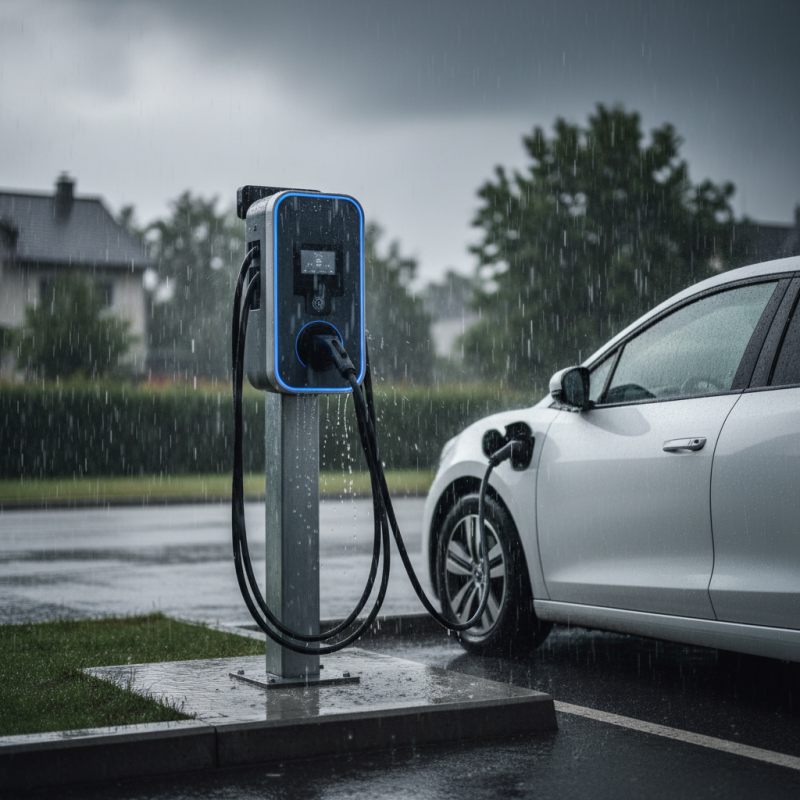
Best Ways to Tell if an EV Charger is Waterproof for Rain?

Understanding IP Ratings and Their Importance in EV Charger Waterproofing

When assessing the waterproof capabilities of an EV charger, understanding IP ratings is essential. IP stands for Ingress Protection. This system rates how well devices can resist dust and water. For example, an IP67 rating means the device can withstand immersion in water up to one meter for 30 minutes. This level of protection is crucial for ensuring a charger can handle rain, splashes, and unforeseen weather conditions.

Waterproof standards are vital as the EV market expands. According to a 2022 industry report, 30% of EV drivers expressed concerns about charger durability in adverse weather. Poor waterproofing can lead to device failure, grounding issues, and increased repair costs. As a result, manufacturers focus on rugged designs. This simplifies installation and operation, instilling confidence in users.

Even with clear ratings, it isn’t always straightforward. Some chargers may claim waterproof features yet lack adequate testing. Buyers should research specific IP ratings and ask for certifications. Industry experts recommend seeking chargers rated at least IP65 for widespread outdoor use. Understanding these ratings deepens one's knowledge and supports informed decisions. Engaging with professionals or user reviews can provide additional insights into real-world performance.

Common Rainfall and Environmental Conditions Impacting EV Charger Durability

When considering the durability of EV chargers, environmental conditions play a crucial role. The National Electrical Manufacturers Association (NEMA) outlines various ratings for electronic equipment. These ratings indicate an item’s ability to withstand water without damage. For EV chargers, NEMA 3R or higher is recommended for outdoor use. This rating suggests adequate protection against rain and sleet. Research shows that chargers with NEMA 4X ratings offer even more protection against harsh elements.

Common rainfall conditions impact charger longevity significantly. Regions with heavy precipitation must prioritize waterproof designs. According to a study from the Electric Power Research Institute, EV chargers exposed to frequent rain tend to have higher failure rates. This is particularly true for chargers lacking proper seals and enclosures. Moisture intrusion can lead to short circuits or corrosion. It is essential for manufacturers to implement robust designs and rigorous testing in such environments.

Environmental factors beyond rain should also be considered. Temperature fluctuations cause materials to contract and expand. This can loosen seals over time. The combination of humidity and debris can create a harsh environment for chargers. Users should regularly inspect their chargers for wear and tear. They must consider relocating chargers to better-protected areas. A charger’s durability is not just about its initial design; it's also about maintenance and environmental awareness.

Best Ways to Tell if an EV Charger is Waterproof for Rain
Feature Description Waterproof Rating Common Conditions
Ingress Protection (IP) Rating A system for classifying the degrees of protection against solids and liquids. IP65 - Protected against dust and low-pressure water jets. Light rain, occasional splashes.
Material Durability Use of waterproof plastics or metals treated for corrosion resistance. No specific rating, focus on materials used. Wet and humid environments, coastal areas.
Sealing Techniques Silicone seals or rubber grommets to prevent water ingress. No specific rating, depend on engineering standards. Heavy rain, flooding conditions.
Testing Methods Standardized tests to simulate rain exposure and water submersion. Pass/Fail based on exposure time and water pressure. Storms, prolonged showers.
User Reviews Feedback from users about performers in real-world conditions. Varies based on location and weather. General usage in rainy regions.

Key Materials and Technologies Used in Waterproof EV Charger Design

When considering the waterproof features of an EV charger, the materials and technologies involved play a crucial role. Many modern EV chargers are designed using durable plastics and rubberized coatings. These materials provide an extra layer of protection against water ingress. Additionally, the use of silicone seals in the design can effectively minimize the risk of moisture buildup.

Some chargers employ advanced technologies such as IP (Ingress Protection) ratings. This rating system indicates how well the device can withstand elements like water and dust. A charger with an IP67 rating is highly resistant to water, even when submerged for a brief period. Ensure that the charger you choose has a clearly marked IP rating for reliable performance in rainy conditions.

Tips: Look for chargers that highlight their waterproof capabilities. Verify the materials used in construction. Check for real-world user reviews discussing waterproof performance. Always conduct your research before making a purchase to avoid potential issues. Regularly inspect your charger for any signs of wear or damage that might compromise its waterproof abilities.

Testing Methods for Evaluating EV Charger Water Resistance Standards

When evaluating the water resistance of an electric vehicle (EV) charger, understanding testing methods is crucial. The Ingress Protection (IP) rating is commonly used to assess how well chargers resist water. An IP rating of IP65, for example, indicates that the charger is somewhat protected from rain.

Laboratory tests involve spraying water on the charger at angles similar to real rain conditions. Research conducted by the Electric Power Research Institute (EPRI) shows that rigorously testing for water resistance can prevent unsafe situations. About 25% of EV charging unit failures arise from inadequate water protection.

It’s also important to consider the environmental factors that could affect water resistance. For instance, exposure to extreme temperatures can weaken seals over time. Regular inspections for signs of wear and damage can help maintain performance. User feedback often uncovers issues not anticipated by manufacturers. This highlights the need for continuous testing and re-evaluation to ensure reliability in various weather conditions.

Water Resistance Testing for EV Chargers

Consumer Guidelines for Choosing Waterproof EV Chargers for Outdoor Use

When choosing an EV charger for outdoor use, waterproofing is crucial. Many chargers are not designed for adverse weather. Look for chargers labeled with an IP rating. An IP rating indicates protection against water and dust. An IP67 rating means the charger can withstand immersion in water. This level of protection is ideal for rainy environments.

Beyond ratings, pay attention to the materials used. High-quality rubber or silicone seals help increase waterproof capabilities. These materials also provide durability against UV rays. Look for user reviews and expert articles to gauge real-world performance. Not all chargers are created equal. Some may claim to be waterproof but lack rigorous testing.

Consider installation locations as well. Place the charger where it is least exposed to direct rain. Even with an effective waterproof charger, water pooling can cause issues. Remember, while many chargers include weather-resistant features, long-term dependability can vary. Pay attention to the nuances in product design and maintenance.

FAQS

: What factors impact the durability of EV chargers?

: Environmental conditions, such as rain and temperature fluctuations, greatly affect EV charger durability.

What is the recommended NEMA rating for outdoor EV chargers?

NEMA 3R or higher is ideal for outdoor use as it protects against rain and sleet.

How does heavy rainfall affect EV chargers?

Frequent rain can shorten charger lifespan, especially if they lack proper seals and enclosures.

What materials are commonly used for waterproof EV chargers?

Durable plastics, rubberized coatings, and silicone seals help prevent water ingress.

What indicates a charger’s water and dust resistance?

The Ingress Protection (IP) rating informs users about the device’s resistance level to water and dust.

How can users maintain their EV chargers?

Regularly inspect for wear and tear, and consider relocating chargers to better-protected areas.

What is a common issue faced by EV chargers?

About 25% of EV charger failures stem from inadequate water protection.

How are water resistance tests conducted?

Tests simulate real rain conditions by spraying water at specific angles to gauge protection levels.

Why is continuous testing of chargers important?

User feedback and environmental impacts highlight potential issues not initially considered by manufacturers.

What should be checked before purchasing an EV charger?

Look for waterproof capabilities, materials used, and real-world reviews on performance.

Conclusion

When considering how to tell if an EV charger is waterproof for rain, understanding IP ratings is crucial. These ratings indicate the level of protection against water and dust ingress, which is essential for outdoor durability. This article discusses common environmental conditions that can affect the charger’s resistance to moisture, as well as the key materials and technologies that are incorporated into the design of waterproof EV chargers.

Additionally, various testing methods help evaluate the water resistance standards of EV chargers, ensuring they can withstand rainy weather. For consumers looking to purchase waterproof EV chargers for outdoor use, following provided guidelines can aid in making informed decisions, ultimately supporting the longevity and reliability of their charging infrastructure in diverse weather conditions.

Mason

Mason

Mason is a seasoned marketing professional with a deep expertise in the company's offerings and a passion for driving brand awareness. With a strong background in digital marketing strategies, he has an innate ability to connect with diverse audiences and effectively communicate product benefits.......