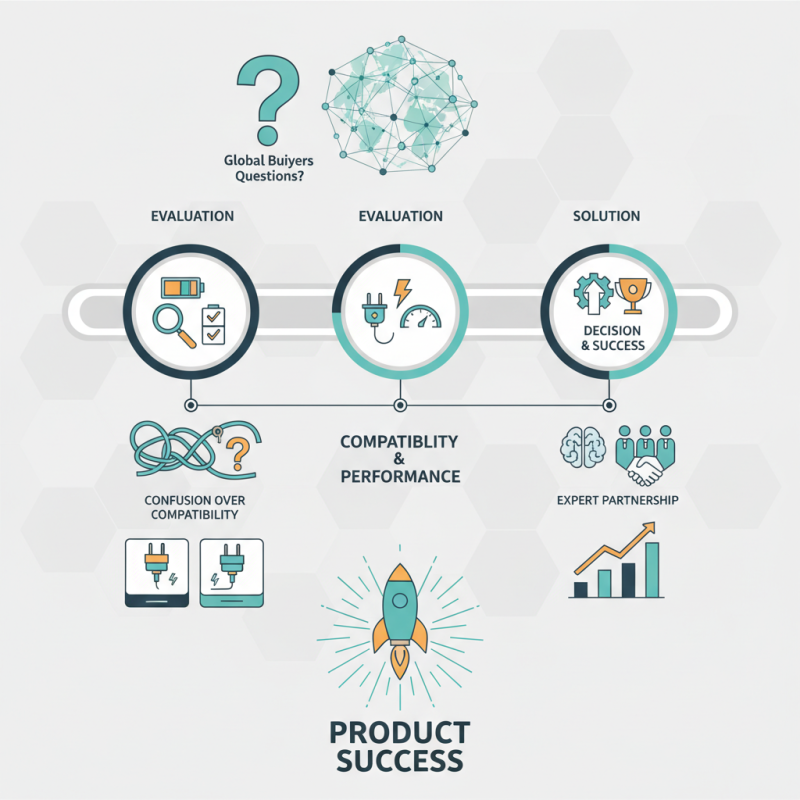
In the rapidly evolving tech landscape, finding the right OEM Charging Solution is crucial for global buyers. With countless options on the market, which should you choose? Each OEM Charging Solution offers distinct advantages, yet challenges remain. Understanding these solutions can empower businesses to make informed decisions.
Many buyers face confusion over compatibility and performance. Solutions may vary in design, voltage, and charging speed. Such factors directly impact user experience. Reliable information about these products is necessary. Partnering with experts can ensure a better match for your needs.
Investing in the best OEM Charging Solution requires careful consideration. Companies must evaluate their specific requirements against available options. This process can be daunting. However, it’s essential for maximizing satisfaction and efficiency. With a thoughtful approach, buyers can navigate this complex landscape effectively. Your choice could define your product's success in a crowded market.
The global OEM charging solutions market is rapidly evolving. As technology advances, so do consumer expectations. Companies need to keep pace with these trends to remain competitive. Customized solutions are becoming more prevalent. Buyers seek options tailored to their specific needs. This shift requires manufacturers to innovate continuously.
Sustainability is a significant concern. Eco-friendly charging solutions are gaining traction. Manufacturers must balance functionality and environmental impact. The market sees a rise in energy-efficient products. However, achieving sustainability can be complex. Some companies struggle to meet eco-standards while maintaining performance.
Additionally, flexibility in design and compatibility remains crucial. Buyers require solutions that work across various devices. The demand for versatility influences product development. Yet, many suppliers face challenges in meeting this demand. Poor collaboration and outdated technology can hinder progress. Addressing these issues is vital for future growth.
In 2026, the global demand for OEM charging solutions is expected to rise sharply. More consumers are transitioning to electric vehicles and portable electronic gadgets. This trend drives the need for efficient and reliable charging devices. Manufacturers must prioritize innovation to keep up.
Consider the diverse charging needs across different regions. Some markets may require compact solutions, while others may prefer high-capacity chargers. This variation can make product development challenging. Companies should remain flexible and responsive to different market demands.
**Tip:** Research local preferences before launching new products. Tailor your solutions to specific consumer needs. Gather feedback to refine your offerings continually. Remember, ideas evolve. Stay open to adjustments based on real-world testing.
Moreover, collaborations with local businesses can enhance distribution. These partnerships often unveil hidden consumer insights. Using this knowledge can improve your competitive edge.
**Tip:** Foster relationships with local suppliers. They can provide critical market information and logistical support. Engage in community dialogue to create solutions that resonate with users. This approach builds trust and familiarity.
This chart illustrates the projected demand for OEM charging solutions across different regions in 2026. The demand is measured in millions of units, showcasing how the market is evolving globally.
In the rapidly evolving world of technology, OEM charging solutions are becoming crucial. Buyers are increasingly focused on efficiency and sustainability. Innovations in wireless technologies are essential for enhancing user experiences. Seamless integration with various devices ensures convenience. Advanced smart charging features are also gaining traction. These innovations can optimize power delivery and reduce charging times significantly.
However, there are challenges to consider. Compatibility between devices remains a key concern. Users often face issues with varying charging standards. This can lead to confusion and dissatisfaction. A lack of transparency in sourcing materials can also undermine trust. Buyers must remain vigilant about the origins of components. This ensures they choose reliable partners.
Emerging technologies, such as energy harvesting, present exciting opportunities. These solutions could reduce reliance on traditional charging methods. However, implementations may still be in their infancy, requiring further research. As trends evolve, the market needs adaptability and responsiveness. Investing in innovative solutions can help address these hurdles and enhance overall user satisfaction.
When considering the cost efficiency and value proposition of OEM charging solutions in 2026, buyers face important choices. This year has seen a surge in technological advancements, making solutions more efficient than ever. Compact designs and faster charging times have become standard. However, buyers must balance these features with their budgets.
Evaluating OEM charging solutions requires careful consideration of long-term value. Initial costs may seem attractive, yet low-quality product choices can lead to higher replacement expenses. When sourcing OEM products, reliability is paramount. Ensuring products meet international safety standards can prevent future liabilities. It’s crucial to work with experienced manufacturers who provide transparent data on product performance.
Buyers also need to assess unique needs. Not all solutions fit every situation, especially regarding power requirements. Customization can often lead to better value, yet may increase upfront costs. It's essential to analyze the total cost of ownership, rather than just the purchase price. This way, businesses can make informed decisions that align with their growth strategies.
| Charging Solution Type | Input Voltage (V) | Output Current (A) | Efficiency (%) | Cost per Unit (USD) | Warranty Period (Years) |
|---|---|---|---|---|---|
| Wall Charger | 100-240 | 2 | 90 | 15 | 2 |
| Car Charger | 12-24 | 4 | 85 | 20 | 1 |
| Wireless Charger | 5 | 1 | 80 | 25 | 1 |
| Portable Charger | 5 | 2 | 75 | 30 | 2 |
| Power Bank | 3.7 | 2.4 | 78 | 18 | 1 |
Sustainability is crucial in the OEM charging solutions sector. Many manufacturers are now prioritizing eco-friendly practices. A report from the International Energy Agency indicates that the transition to sustainable energy sources is essential for reducing carbon footprints. Companies are moving towards renewable materials and energy-efficient production methods.
Recent data shows that over 75% of users prefer charging solutions that incorporate sustainability. This trend is influencing global buyers to seek OEM partners committed to green practices. Some manufacturers are adopting life-cycle assessments to evaluate environmental impacts. This approach helps in making informed decisions about materials and end-of-life processes.
Despite the progress, challenges remain. Not all manufacturers have embraced these practices. Some still rely on outdated methods that harm the environment. Buyers must carefully evaluate their OEM partners’ sustainability certifications. Transparency in sourcing and production methods is still lacking in parts of the industry. Ultimately, ensuring sustainable practices is an ongoing journey, not a destination.
: OEM charging solutions are technology systems designed for efficient and sustainable charging. They enhance user experiences significantly.
Sustainability minimizes carbon footprints. Many manufacturers focus on eco-friendly materials and energy-efficient production methods.
Compatibility issues arise from varying charging standards. Users may feel confused and dissatisfied due to these inconsistencies.
Buyers should check the transparency of sourcing materials. This process builds trust and ensures reliable partnerships.
Energy harvesting technologies reduce the need for traditional charging. They are still developing and require more research.
Over 75% of users prefer charging solutions with sustainability measures. This trend is driving demand for eco-friendly options.
No, some manufacturers still use outdated harmful methods. Buyers must evaluate partners' sustainability certifications carefully.
A life-cycle assessment evaluates the environmental impacts of materials and processes. It aids in making informed decisions.
No solution is perfect. Ensuring sustainability is an ongoing journey that demands consistent effort and evaluation.
The 2026 overview of the OEM Charging Solution market highlights significant trends and insights into the evolving demand on a global scale. As technology advances, top innovations are emerging in OEM Charging Solutions, aimed at enhancing efficiency and user experience. The analysis reveals not only the increasing global demand but also emphasizes the importance of cost efficiency and value proposition that these solutions offer to buyers.
Sustainability practices are becoming integral to the development of OEM Charging Solutions, promoting a greener future. With an emphasis on eco-friendly technologies and resource management, the industry is poised to meet the growing environmental concerns. Buyers can expect a comprehensive range of OEM Charging Solutions that not only cater to their immediate needs but also contribute positively to global sustainability efforts.

Midwest Charger