2026 Best Dual Port EV Charging Station Benefits?

Time:2026-11-16 Author:Oliver
0%

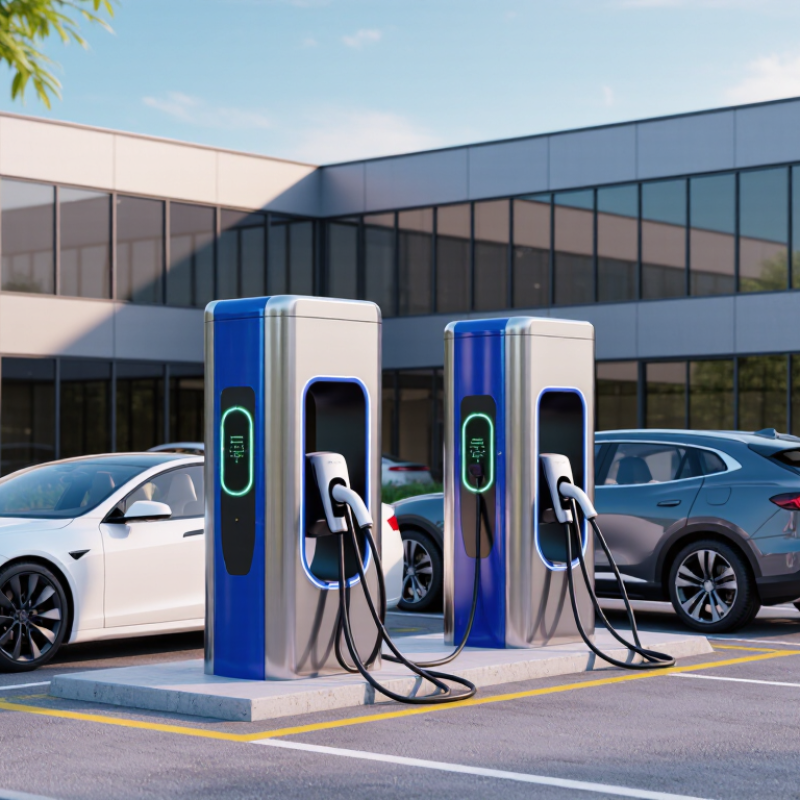
What are the benefits of a dual port EV charging station when two drivers arrive at once? A dual-port unit can connect two vehicles to one charging station. That can reduce queues in shared parking areas, apartment garages, workplaces, and small fleet depots. One station. Two connections. For drivers, that may mean fewer trips to move a car and less competition for a charging spot.

The idea fits a broader shift toward electric transport. Engineer and electrification advocate Saul Griffith has popularized the phrase, “Electrify everything.” For property managers, dual ports can make better use of limited wall or pedestal space. For fleet operators, they can help serve more parked vehicles during a shift. Yet two ports do not automatically mean twice the charging speed. Available power may be shared, and charging performance depends on the station, electrical supply, and vehicle. That detail matters.

A useful buying decision starts with real parking patterns. Count how many vehicles remain parked overnight, check their typical energy needs, and confirm the site’s power capacity. A dual-port station may offer flexibility, but it can also cost more than a single-port unit. The best fit depends on usage, installation conditions, and future demand—not just the number of connectors. A little planning helps. So does comparing actual charging specifications rather than relying on the port count alone.
2026 Best Dual Port EV Charging Station Benefits?

What Defines a Dual-Port EV Charging Station in 2026?

A dual-port EV charging station is equipment with two vehicle outlets, allowing two cars to connect at one site. In 2026, the defining feature is not simply having two plugs. It is how the station controls available power. Some units split output between vehicles; others adjust delivery as demand changes. A pair of connectors does not guarantee full rated power for both cars at once. That detail matters.

The International Energy Agency’s Global EV Outlook 2024 reported more than 4 million public charging points worldwide at the end of 2023, up about 40% in one year. As charging networks expand, dual-port equipment can make better use of a parking space and electrical connection. But buyers should check the station’s total output, per-port limits, load-management behavior, connector compatibility, and monitoring features. Installation capacity can be the constraint, not the charger itself. Easy to overlook.

Tips: Review the power-sharing specification before installation. Test both ports under simultaneous use, and confirm how the unit reports faults. A clear display helps, though field conditions may still expose gaps in the documentation.

2026 Best Dual-Port EV Charging Station Benefits: What Defines a Dual-Port Station?

What the chart shows: A dual-port EV charging station has two vehicle connectors, allowing two EVs to charge at the same time. In this illustrative shared-power example, the station supplies up to 19.2 kW total: one connected vehicle can receive up to 19.2 kW, while two sharing equally receive up to 9.6 kW each.

Illustrative power-sharing calculation, not a universal station specification. Actual output depends on the station’s rated capacity, power-sharing settings, electrical supply, and vehicle limits.

How Two Charging Ports Share Power Between Vehicles

A dual-port EV charging station does not usually provide twice the power of a single-port unit. Both vehicles share the station’s available electrical capacity. For example, a setup with about 11.5 kW available might split that power evenly when two cars are charging. The exact allocation depends on the station’s design and settings.

Some stations balance power dynamically. If one vehicle slows its charging as its battery fills, the station may send more power to the other vehicle. Some models use fixed limits or prioritize one port, so sharing is not always equal. Vehicle limits matter too: a car cannot accept more power than its onboard charger allows. Check the station’s rating, circuit capacity, and load-balancing features before installation. A shared charger can still be convenient, even if both cars charge more slowly during busy hours.

Tips: Compare charging schedules before plugging in both cars. A short top-up may need little power. Watch each vehicle’s charging display to see how sharing works at home. Keep in mind that displayed power can fluctuate; I would not treat one reading as a guaranteed rate.

Key Time-Saving and Cost Benefits for EV Drivers

A dual-port EV charging station can make daily charging simpler when two electric vehicles share a home or workplace. Both drivers can plug in without waiting for someone to move a car. Less shuffling. Depending on the station and electrical supply, it may charge both vehicles at once by sharing available power. Charging speed can vary with the circuit, vehicle, battery level, and settings, so two ports do not always mean twice the speed.

Tips: Check your electrical capacity before choosing a unit. Set charging times around your routine and, where available, lower electricity rates. Leave room for both charging cables to reach the parked vehicles safely.

The cost benefit often comes from avoiding a second charger and possibly a separate installation. But savings are not guaranteed; wiring upgrades or a service-panel assessment can add expense. Ask a qualified electrician to review your setup and compare the full installation cost with two single-port units. For two-car households, the real time saving may be small on some days, then surprisingly useful when both batteries need charging overnight. Consider who needs the vehicle early, too. Convenience works best when the charging schedule fits real habits, not an ideal routine.

Where Dual-Port Chargers Improve Access and Efficiency

A dual-port EV charging station can make a shared parking area feel less like a queue. At an apartment building, two drivers can plug in during the same evening window instead of waiting for one connector to become free. That matters where overnight parking is common. More access, less shuffling. Still, two ports do not always mean twice the charging speed. Some units share available power between vehicles, so charging time depends on site capacity and the charger's power-management settings.

Placement also shapes how useful the station feels. A unit between neighboring stalls may let both drivers reach their vehicles without stretching cables across a walkway. Clear stall markings and enough cable length help prevent awkward parking adjustments. In workplaces, shared charging can serve more employees across a day, especially when cars arrive and leave at different times. Check how the unit handles simultaneous charging, and whether its output can be adjusted to match the building's electrical supply. The less glamorous detail is often the deciding one: a badly placed charger can still be inconvenient. And real driving patterns may not match the neat schedule in a planning spreadsheet.

What to Consider When Choosing a Dual-Port Charging Station

A dual-port EV charging station can serve two vehicles at once, but the number of ports alone says little about real-world performance. Check the station’s total power and how it divides that power between connected cars. Some units share output dynamically; others offer less flexibility. Ask what happens when both ports are in use during a busy evening.

Start with your electrical supply. A qualified installer can assess panel capacity, wiring distance, and whether upgrades may be needed. This step affects both installation cost and charging speed. Check that the connectors suit the vehicles you expect to charge, including future additions to your household or workplace. Compatibility is easy to assume. It is better to verify it.

Think about the site, too. Measure the distance from each parking space to the unit, and consider cable reach, weather exposure, and protection against accidental impact. For shared parking, useful features may include user access controls, energy tracking, and clear fault alerts. Ask how software updates and service are handled. These details can sound minor until a charger stops working on a cold morning. Compare warranty terms and installation quotes, not just the device price. A dual-port model may be more than a small property needs; that is worth questioning before you buy.

2026 Best Dual Port EV Charging Station Benefits? - What to Consider When Choosing a Dual-Port Charging Station

Consideration Potential benefit What to check Practical guidance
Two vehicles, one installation Can serve two EVs from one charging unit and may reduce the need for separate equipment. Confirm that both ports can operate at the same time and whether the unit requires one or two dedicated circuits. Two connectors do not necessarily mean two vehicles receive full power simultaneously; check the electrical diagram and installation requirements.
Power sharing Dynamic load management can divide available power between connected vehicles and help make better use of a limited electrical supply. Look for the maximum combined output, per-port limits, and how power is allocated when one or both vehicles are charging. For example, a 48 A circuit may provide up to 48 A to one vehicle or share available current between two, depending on the equipment and configuration.
Charging speed Higher AC output can add more driving range during a parked period. Compare voltage, current, and maximum power, while also checking each vehicle’s onboard AC charging limit. At 240 V, 32 A is about 7.7 kW and 48 A is about 11.5 kW per port when that output is available. Actual charging power can be lower.
Electrical capacity Choosing a station that suits the available supply can avoid unnecessary upgrades and support safe operation. Have a qualified electrician assess the service capacity, circuit rating, wiring, protection, and local electrical requirements. Continuous EV charging loads may require circuit sizing above the charger’s operating current. Applicable rules vary by location; do not size a circuit from charger output alone.
Connector compatibility The right connector arrangement makes it easier for drivers to connect without relying on extra adapters. Check the vehicle inlets, connector type on each cable, cable length, and any approved adapter requirements for your region. Connector standards and vehicle compatibility vary by market and model. Verify compatibility with the vehicle manufacturer and charging-equipment documentation.
Cable reach and layout Long enough cables and well-placed ports can make two-vehicle parking more convenient. Measure the distance from the proposed mounting position to both vehicles’ charge inlets, including likely parking positions. Consider cable management, trip hazards, weather exposure, and whether the cables can reach either vehicle without crossing a walkway.
Indoor or outdoor installation A suitable enclosure can support installation in a garage, carport, or exposed parking area. Check the equipment’s environmental ratings, operating-temperature range, mounting requirements, and local installation rules. Use ratings and installation instructions for the exact unit and site conditions; an outdoor location may also need suitable protection from impact or water.
Scheduling and energy management Scheduling can shift charging to preferred hours, while load controls may help coordinate charging with other electrical demand. Check whether scheduling is supported on the station, the vehicle, or both, and whether internet access is required for the features you need. Confirm how schedules behave if connectivity is lost and whether the station can still charge locally without cloud services.
Access control and billing Access controls can help manage shared use; usage records may help with cost allocation in multi-driver settings. Review supported authentication methods, user management, energy reporting, and any recurring service or network fees. Choose only the controls needed for the site. Check whether billing or reporting features require a separate service or subscription.
Safety and certification Appropriate testing, protection features, and correct installation help reduce electrical and operational risks. Verify recognized safety certification for the destination market, required protective devices, and installation instructions. Certification marks and electrical requirements differ by country. Confirm acceptance with the local authority or qualified installer before purchase.
Warranty and support Clear support terms can make maintenance and troubleshooting easier over the equipment’s service life. Compare warranty length and coverage, replacement procedures, software support, and access to technical assistance. Read exclusions carefully, including requirements for professional installation, network service, or specific operating conditions.
Total installed cost A whole-project comparison helps prevent a low equipment price from hiding installation or operating costs. Include the unit, cabling, circuit work, possible panel upgrades, mounting, permits, connectivity, and ongoing fees. Request a site-specific quotation. Installation costs depend on cable distance, existing electrical capacity, local labor, and permit requirements.

Note: AC charging figures are illustrative calculations at 240 V, before losses. Available output depends on the station configuration, electrical supply, load sharing, installation, and vehicle limits. Confirm specifications and local code requirements before purchase or installation.

FAQS

Can a dual-port charger charge two vehicles at the same time?

Often, yes. Some units divide available power between both vehicles, so charging may take longer.

Does having two ports mean charging twice as fast?

No. Speed depends on the electrical supply, vehicle, battery level, and charger settings.

Can one dual-port charger cost less than two separate chargers?

It may avoid buying a second unit or paying for another installation. Wiring upgrades can still add costs.

What should I check before installing a dual-port charger?

Ask a qualified electrician to assess your electrical capacity. Compare the full installation cost with two single-port units.

How can two drivers avoid waiting to charge?

Set charging times around real schedules, especially when both vehicles need power overnight. Plans change, though.

Where should a shared charger be placed?

Place it where both cables reach parked vehicles without crossing a walkway. A badly placed unit can remain inconvenient.

How can apartment buildings make shared charging easier?

Clear stall markings and enough cable length help drivers park without awkward adjustments. Small details matter.

Is a dual-port charger useful at a workplace?

It can serve more employees when cars arrive and leave at different times. Check how it manages simultaneous charging.

Conclusion

In 2026, a dual-port EV charging station offers two charging connections in one unit, allowing two vehicles to charge at the same location. Depending on the station’s design and available electrical capacity, it may divide power between connected vehicles or adjust output as charging needs change. This flexibility can help drivers spend less time waiting, especially when both vehicles can charge during the same visit or overnight. Sharing one installation may also reduce the space and equipment needed compared with setting up separate chargers.

So, what are the benefits of a dual port ev charging station? It can improve access and charging efficiency in homes, workplaces, parking facilities, and other shared locations. When choosing a station, consider its total power capacity, how power is distributed, compatibility with the vehicles, installation requirements, and expected usage. The right setup can make charging more convenient while helping a location serve more drivers with fewer charging units.

Oliver

Oliver

Oliver is a seasoned marketing professional with a wealth of expertise in driving brand awareness and engagement. With a deep understanding of our company's product offerings, he consistently delivers high-quality content that enriches our professional blog. His insights not only shed light on......